
If you or someone you know has suffered an ACL injury in Akshayanagar, Begur, Hulimavu, or the surrounding areas of South Bangalore — this comprehensive guide will walk you through everything you need to know about ACL rehabilitation, recovery timelines, and what to expect when you start physiotherapy at Quantum Physiotherapy & Sports Rehab.
📋 Quick Summary: ACL rehabilitation typically takes 6–9 months for a full return to sports. Early physiotherapy after ACL surgery significantly improves outcomes and reduces re-injury risk. At Quantum Physiotherapy, we provide evidence-based, personalised rehabilitation programmes for patients across Akshayanagar, Yelenahalli, Begur, Hulimavu, Bommanahalli, and Bannerghatta Road.
What Is an ACL Injury?
The Anterior Cruciate Ligament (ACL) is one of the four major ligaments that stabilise the knee joint. It runs diagonally through the middle of the knee and prevents the tibia (shinbone) from sliding out in front of the femur (thighbone). The ACL also provides rotational stability to the knee during dynamic movements like cutting, pivoting, and jumping.
ACL injuries are extremely common among athletes, active individuals, and people involved in road traffic accidents. In Bangalore, we see a significant number of ACL injuries among cricket, football, and badminton players, as well as gym-goers and runners from areas like Akshayanagar, JP Nagar, and Bannerghatta Road.
Common Causes of ACL Injury
- Sudden change of direction — common in football, basketball, and badminton
- Landing awkwardly from a jump — seen in volleyball, cricket, and gym plyometrics
- Twisting the knee while the foot is planted on the ground
- Direct contact or collision — sports tackles or road traffic accidents
- Hyperextension of the knee joint during a fall or slip
Symptoms of an ACL Tear
Recognising the symptoms of an ACL injury early can make a significant difference to your recovery. Many patients in our Akshayanagar clinic describe a similar experience at the moment of injury.
- A loud “pop” sound at the time of injury
- Sudden, severe pain in the knee
- Rapid swelling within the first few hours
- Knee instability — the knee feels like it may give way
- Difficulty bearing weight and walking
- Limited range of motion — unable to fully bend or straighten the knee
- Reduced confidence during any movement involving the knee
⚠️ Do Not Ignore These Signs: If you experience sudden knee swelling, pain, or instability after a fall or sports injury, seek a professional assessment immediately. Delaying treatment can worsen the injury and complicate rehabilitation. Call us at 9742792625 for a same-day assessment.
Diagnosis of ACL Injury
Accurate diagnosis is the first step towards effective ACL rehabilitation. At Quantum Physiotherapy in Akshayanagar, our assessment process is thorough and evidence-based.
- Clinical Assessment: Special orthopaedic tests such as the Lachman Test, Anterior Drawer Test, and Pivot Shift Test help confirm ligament injury
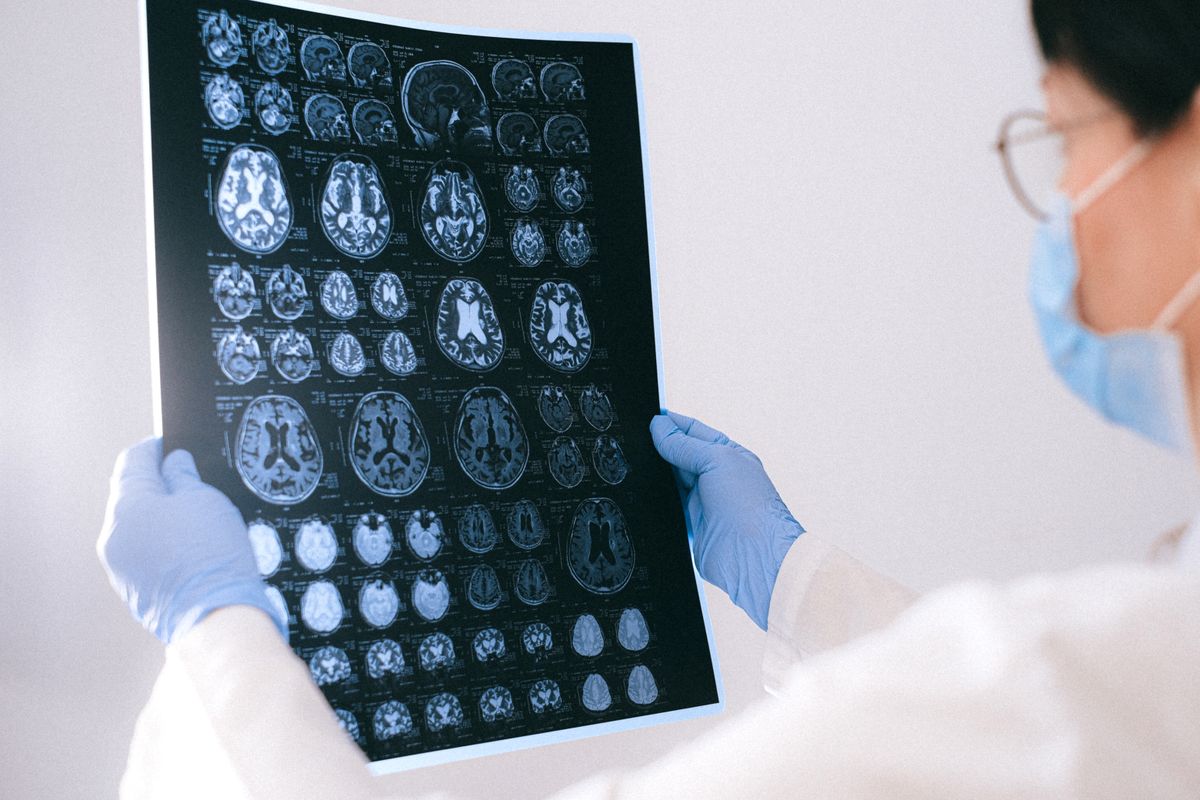
- MRI Scan: Confirms the severity of the ACL tear and identifies any associated injuries to the meniscus, cartilage, or other ligaments
- Orthopaedic Evaluation: Your orthopaedic surgeon will determine whether surgical or conservative management is appropriate
- Physiotherapy Assessment: Our physiotherapists assess muscle strength, range of motion, functional movement, and biomechanical factors that may have contributed to the injury
ACL Surgery vs Conservative Physiotherapy
Not every ACL injury requires surgery. The decision depends on several factors including the degree of the tear, your age, activity level, and the presence of associated injuries.
When Conservative Physiotherapy May Be Sufficient
For partial ACL tears, older adults with lower activity demands, or individuals who do not participate in pivoting sports, a structured physiotherapy programme can restore full function without surgery. Research shows that certain patients recover extremely well with rehabilitation alone, particularly when the surrounding muscles provide adequate joint support.
When ACL Surgery Is Required
For complete ACL tears, young athletes, competitive sportspersons, and individuals with combined ligament or meniscus injuries, ACL reconstruction surgery is generally recommended. After surgery, a dedicated physiotherapy programme is absolutely essential
Why Physiotherapy Is Essential After ACL Surgery
Many patients in Akshayanagar, Singasandra, and Hongasandra ask: “Do I really need physiotherapy after my ACL surgery?” The answer is an unequivocal yes. Without structured rehabilitation, even the best surgical reconstruction will not deliver a satisfactory outcome.
- Pain and swelling control — Physiotherapy techniques reduce post-surgical inflammation and discomfort faster than rest alone
- Range of motion restoration — Early mobilisation prevents stiffness and scar tissue formation inside the joint
- Quadriceps muscle activation — After ACL surgery, the quadriceps often “switch off” due to pain inhibition; physiotherapy reactivates these critical muscles
- Progressive strengthening — A graded strength programme rebuilds the muscles that support and protect the new graft
- Neuromuscular training — Restores the knee’s ability to sense position (proprioception), critical for preventing re-injury
- Gait correction — Many patients develop abnormal walking patterns after surgery; physiotherapy corrects these before they become habitual
- Return-to-sport preparation — Structured testing ensures you are truly ready before returning to sport
ACL Rehabilitation Timeline: What to Expect Week by Week
One of the most common questions we hear from patients visiting our Akshayanagar clinic is: “How long will my ACL recovery take?” While every patient is different, here is a general guide to ACL rehabilitation milestones.
| Phase | Timeline | Primary Goal | Key Exercises | Milestone |
|---|---|---|---|---|
| Phase 1 | Week 1–2 | Control swelling, restore knee extension, activate quads | Quad sets, SLR, ankle pumps, ice & compression | Walk without crutches; full knee extension |
| Phase 2 | Week 3–6 | Restore ROM 0–120°, reduce swelling, normalise gait | Stationary cycling, mini-squats, step-ups, calf raises | Full ROM; walking normally on level ground |
| Phase 3 | Week 6–12 | Build quad & hamstring strength; progress to single-leg | Leg press, Romanian deadlift, single-leg squat, bridges | LSI >70%; jog on level surface |
| Phase 4 | Month 3–6 | Running progression, introduce plyometrics | Jogging, lateral bounds, box jumps, agility ladder | Run 5 km symptom-free; LSI >80% |
| Phase 5 | Month 6–9+ | Sport-specific training, return-to-sport testing | Cutting drills, sport contact, hop tests, RTS battery | LSI >90%; hop tests >90%; psychological clearance |
📅 ACL Recovery Timeline at a Glance:
Week 1–2: Swelling control, pain relief, initial walking
Week 3–6: Range of motion, muscle activation, gait correction
Week 6–12: Strengthening, balance training, functional exercises
Month 3–6: Running, plyometrics, agility drills
Month 6–9+: Return-to-sport testing and sport-specific rehabilitation
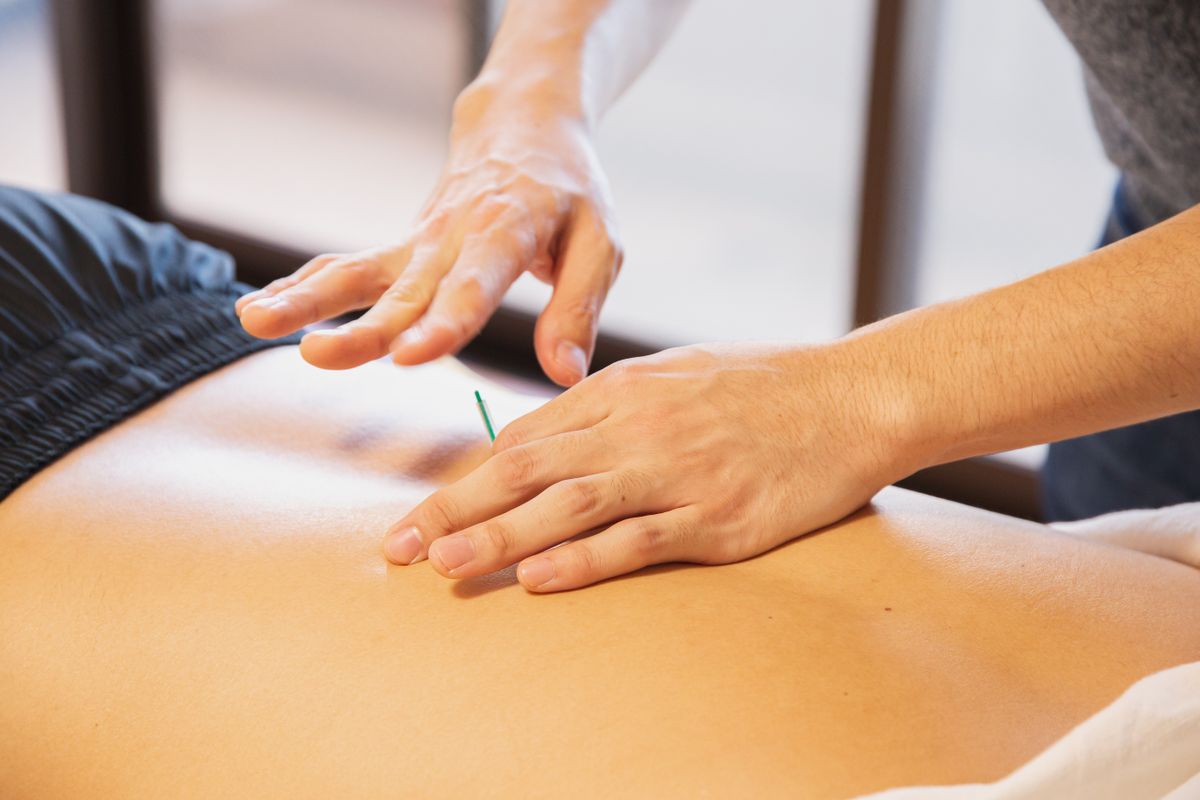
Week 1–2: Immediate Post-Surgical Phase
The first two weeks focus on managing pain, reducing swelling, and beginning gentle movement. Goals include achieving full knee extension (straightening), initiating quadriceps activation, and beginning independent walking with or without crutches. Ice therapy, compression, elevation, and gentle physiotherapy exercises are central to this phase.
Week 3–6: Range of Motion and Muscle Activation Phase
During weeks three to six, the focus shifts to restoring knee flexibility. Patients work on achieving 90–120 degrees of knee flexion, initiating progressive quadriceps and hamstring exercises, correcting gait pattern, and beginning gentle closed-chain exercises like mini squats and step-ups.
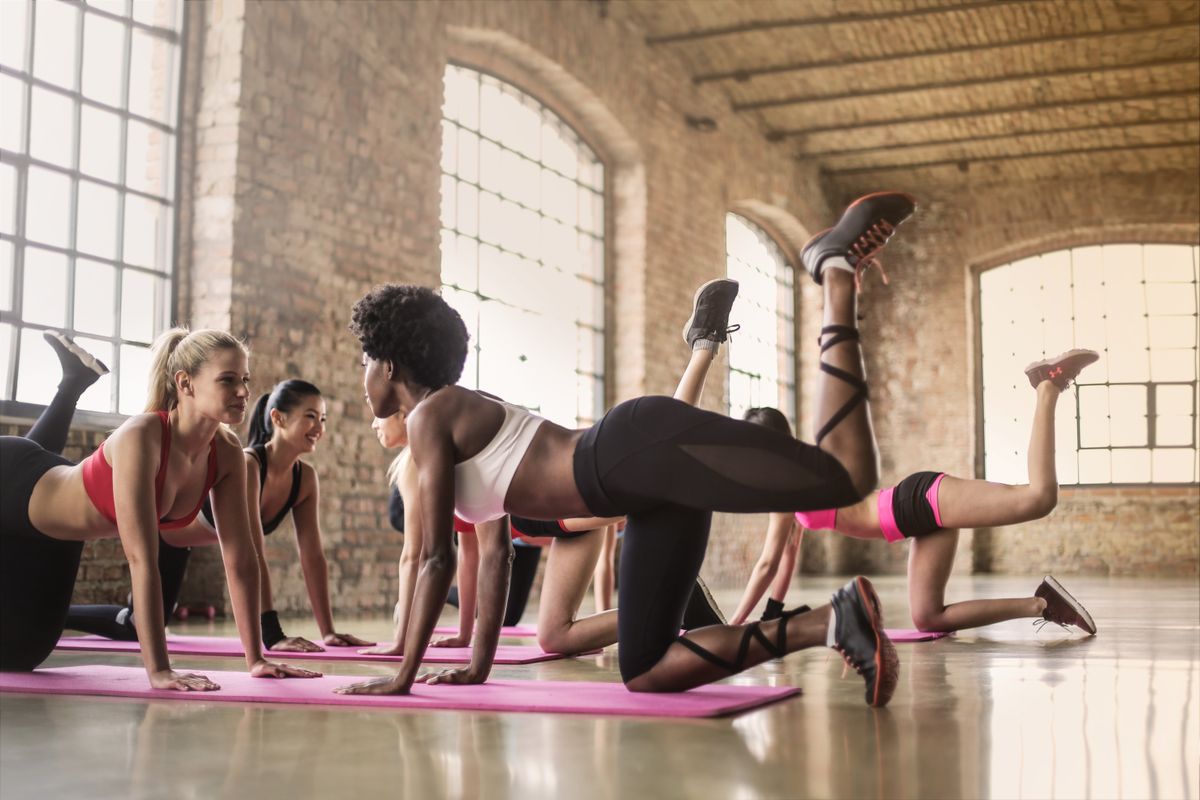
Week 6–12: Strengthening and Functional Training Phase
This phase introduces more challenging strengthening exercises targeting the quadriceps, hamstrings, glutes, and calf muscles. Balance and proprioception training becomes a priority. Patients progress from double-leg to single-leg exercises, preparing the knee for more demanding functional activities.
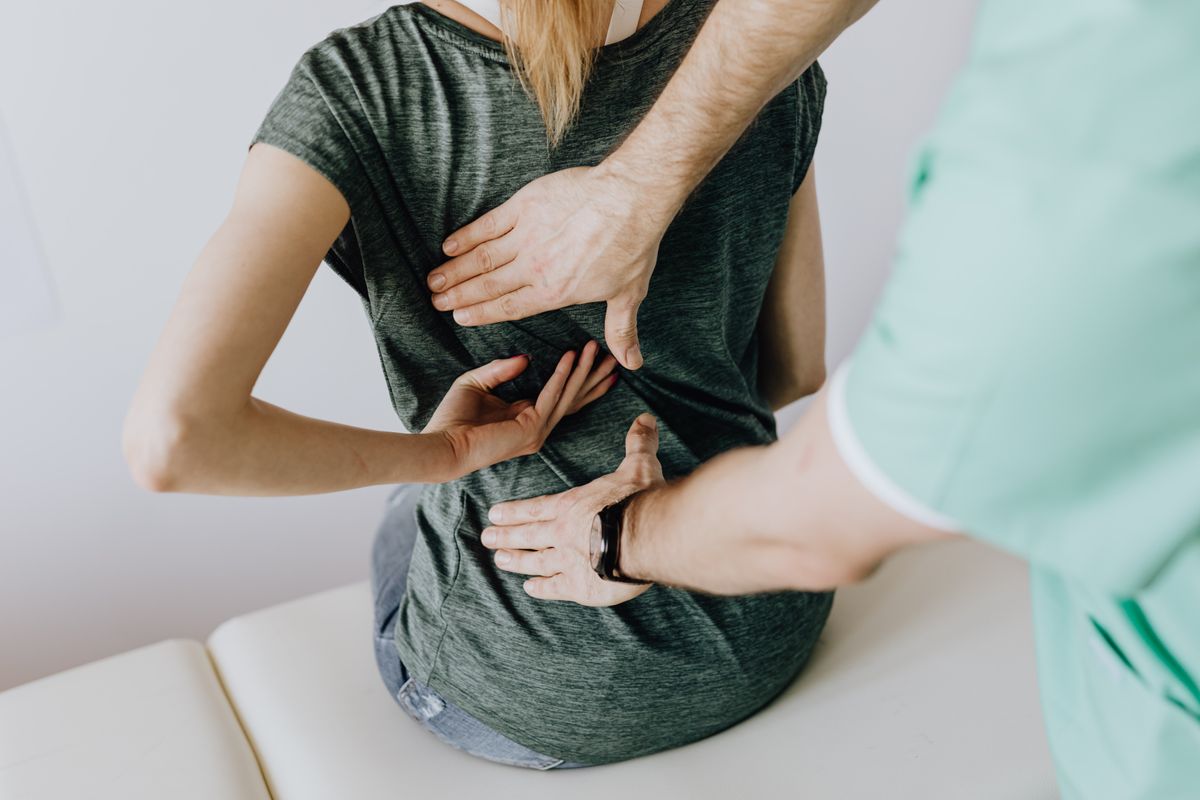
Month 3–6: Running Progression and Plyometric Phase
For many patients in Akshayanagar and the Bannerghatta Road corridor, this is the phase they look forward to most. Return to jogging is carefully progressed, followed by running, agility drills, change-of-direction training, and introductory plyometric exercises. Patients must meet strength benchmarks before advancing.
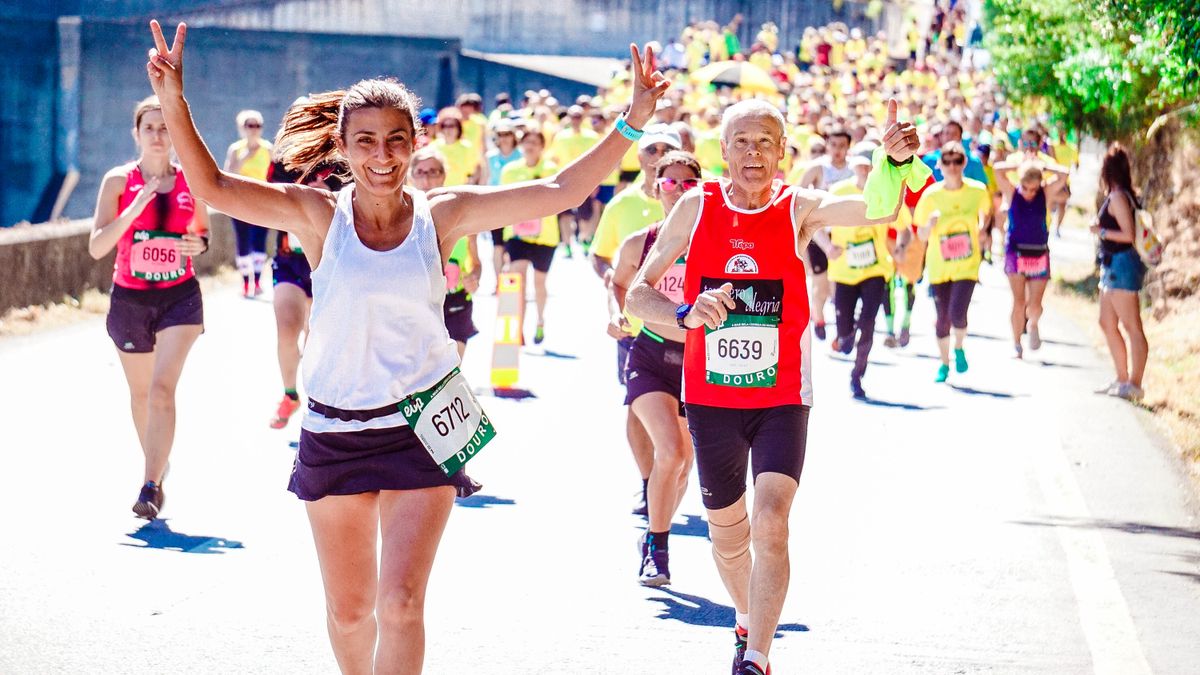
Month 6–9+: Return-to-Sport Phase
The final phase involves sport-specific rehabilitation, return-to-sport testing, and injury prevention strategies. Objective criteria — including limb symmetry index scores, hop tests, and psychological readiness assessment — are used to determine readiness. At Quantum Physiotherapy, clearance is based on performance, not time alone.
Common Mistakes After ACL Surgery
- Returning to sport too early — The graft needs time to mature and integrate. Returning before the graft is ready dramatically increases re-rupture risk
- Missing physiotherapy sessions — Consistent attendance is non-negotiable. Each session builds on the last
- Ignoring swelling — Persistent swelling inhibits muscle activation and indicates the knee is being overloaded
- Poor exercise compliance at home — Home exercise programmes are as important as clinic sessions
- Comparing your recovery with others — Every patient heals differently based on age, fitness, graft type, and surgical technique
- Neglecting the psychological aspect — Fear of re-injury is a real barrier to recovery. Our team provides confidence-building support
ACL Rehabilitation Exercises: A Guide
⚕️ Important Disclaimer: The exercises described below are for educational purposes only. All ACL rehabilitation exercises must be prescribed, supervised, and progressed by a qualified physiotherapist. Do not attempt these without professional guidance, as incorrect execution can damage the ACL graft.
Phase 1: Foundation Exercises
- Quad Sets: Tighten the quadriceps muscle by pressing the back of the knee into the bed surface. Hold for 5 seconds. Activates the quadriceps without stressing the graft
- Straight Leg Raises: Raise the straight leg to 45 degrees while keeping the knee fully extended. Strengthens the quadriceps and hip flexors
- Heel Slides: Slide the heel towards the buttock to bend the knee. Improves knee flexion range of motion
- Ankle Pumps: Flex and point the ankle repeatedly. Reduces swelling and prevents blood clots
Phase 2: Strengthening Exercises
- Mini Squats: Shallow squats (0–45 degrees) with controlled technique. Activates the entire lower limb in a functional pattern
- Step-Ups: Stepping onto a low platform with controlled eccentric loading. Develops single-leg strength and stability
- Terminal Knee Extension (TKE): Using a resistance band to achieve the final degrees of knee straightening. Directly targets the quadriceps VMO muscle
Phase 3: Balance and Proprioception
- Single-Leg Standing: Progress from stable to unstable surfaces (foam pad, balance board) to challenge joint position sense
- Single-Leg Squat: Advanced single-leg strengthening and proprioception that mirrors the demands of sport
- Lateral Band Walks: Resistance band around ankles to strengthen hip abductors — critical for knee alignment during dynamic movements
How We Help at Quantum Physiotherapy & Sports Rehab
At Quantum Physiotherapy & Sports Rehab in Akshayanagar, we have designed a comprehensive ACL rehabilitation programme that goes beyond basic exercises. Our approach is informed by the latest research in sports medicine and musculoskeletal physiotherapy.
- Individualised rehabilitation programmes — No two ACL injuries are alike. Your programme is designed specifically for your goals, graft type, and lifestyle
- Sports physiotherapy expertise — Extensive experience with athletes from cricket, football, badminton, running, and gym sports
- Evidence-based protocols — We follow internationally recognised ACL rehabilitation guidelines, updated regularly
- Return-to-sport testing — Objective outcome measures to determine true readiness, not guesswork
- Functional movement assessment — We identify biomechanical risk factors and correct them during rehabilitation
- Patient education — Informed patients recover faster. We explain every phase and answer every question
We work closely with orthopaedic surgeons across Bangalore to ensure seamless, coordinated care. Whether you are from Akshayanagar, Yelenahalli, Hulimavu, Begur, Bommanahalli, Hongasandra, Singasandra, JP Nagar, or anywhere along Bannerghatta Road — we are here to help you recover completely and confidently.

Areas We Serve for ACL Rehabilitation
Quantum Physiotherapy & Sports Rehab is conveniently located in Akshayanagar (Yelenahalli) and serves patients from across South Bangalore, including Begur, Hulimavu, Bommanahalli, Bannerghatta Road, JP Nagar, Hongasandra, and Singasandra. Our central location makes us one of the most accessible physiotherapy clinics in South Bangalore for ACL rehabilitation.
📍 ACL Rehabilitation Near You — Areas Covered from Our Akshayanagar Clinic:
🚗 We are conveniently located on Bannerghatta Road, easily accessible from all South Bangalore neighbourhoods. View our location →
Frequently Asked Questions About ACL Rehabilitation
How long does ACL rehabilitation take?
ACL rehabilitation typically takes 6 to 9 months for athletes returning to competitive sport. For non-athletes with less demanding functional goals, recovery may be achieved in 4–6 months. The timeline depends on the graft type, presence of additional injuries, age, and compliance with the rehabilitation programme.
When can I walk after ACL surgery?
Most patients begin walking with crutches within 24–48 hours after ACL surgery. Progression to walking without crutches typically occurs within 1–2 weeks, depending on pain and swelling levels.
When can I start running after ACL surgery?
A structured return-to-running programme typically begins around 3–4 months post-surgery, provided strength and range of motion benchmarks have been met. Rushing this milestone significantly increases re-injury risk.
When can I return to sports after ACL surgery?
Return to competitive sport is generally considered safe at 9 months minimum after ACL reconstruction, provided all return-to-sport criteria have been met. Research consistently shows that returning before 9 months significantly increases the risk of ACL re-rupture.
Can an ACL tear heal without surgery?
Partial ACL tears and complete tears in lower-demand individuals may be managed successfully with physiotherapy alone. Complete ACL tears in athletes who wish to return to pivoting or contact sports usually require surgical reconstruction for the best long-term outcomes.
How many physiotherapy sessions are required for ACL rehabilitation?
Most patients require 2–3 physiotherapy sessions per week for the first 3 months, tapering to 1–2 sessions per week through the later phases. In total, patients may attend 50–80+ sessions over the full course of recovery (see our appointment page to get started).
What happens if ACL rehabilitation is delayed?
Delaying rehabilitation after ACL surgery leads to significant muscle wasting, joint stiffness, abnormal movement patterns, and increased risk of long-term complications including osteoarthritis and chronic instability. Starting physiotherapy within the first few days of surgery is strongly recommended.
Can I climb stairs after ACL surgery?
Most patients can manage stairs within 1–2 weeks after surgery with a handrail. Step-over-step stair climbing is usually achieved by weeks 3–4 as quadriceps strength improves.
Can physiotherapy prevent a second ACL injury?
Yes. A complete rehabilitation programme including neuromuscular training, landing mechanics correction, and strength training significantly reduces the risk of re-injury. Our team dedicates the final phases of rehabilitation specifically to injury prevention tailored to your sport and movement patterns.
What are the signs of poor ACL recovery?
Warning signs include persistent swelling beyond 6 weeks, significant quadriceps weakness, recurring episodes of knee giving way, increasing pain during physiotherapy exercises, or falling significantly behind expected milestones. Contact your physiotherapist immediately for a reassessment if you notice any of these signs.
📞 Book Your ACL Rehabilitation Assessment Today
Start your recovery with a personalised plan from South Bangalore’s dedicated sports physiotherapy team.
Quantum Physiotherapy & Sports Rehab
📍 3rd Floor, 54, Internal Rd, Yelenahalli, Akshayanagar, Bengaluru – 560114
⏰ Mon–Sat: 9:00 AM–1:30 PM & 4:00 PM–8:30 PM | Sunday: 11:00 AM–1:30 PM
📱 Call: 9742792625 Book Appointment OnlineRelated Physiotherapy Guides
- Knee Pain Treatment in HSR Layout Bangalore
- Sports Injury Rehabilitation in HSR Layout
- Physiotherapy Clinic in Akshayanagar Bangalore
- Book a Physiotherapy Appointment in Bangalore
Reviewed by Dr. Aamir Kaleem, MPT | Senior Physiotherapist, Quantum Physiotherapy & Sports Rehab | Specialising in ACL Rehabilitation, Sports Physiotherapy, Post-Surgical Rehabilitation, and Return-to-Sport Training | 10+ Years Clinical Experience | Evidence-Based Rehabilitation Approach
Last Updated: June 2026 | This article is for informational purposes only and does not replace professional medical advice. Please consult a qualified physiotherapist or orthopaedic surgeon for diagnosis and treatment.