

Frozen Shoulder Physiotherapy in Vijaya Bank Layout Bangalore
A frozen shoulder turns everyday tasks into ordeals — reaching up to a shelf, fastening your clothing, combing your hair, or sleeping on your side without waking in pain becomes impossible. At Quantum Physiotherapy & Sports Rehab in Vijaya Bank Layout, Bangalore, our expert physiotherapists specialise in frozen shoulder (adhesive capsulitis) treatment using evidence-based manual therapy, joint mobilisation, and targeted rehabilitation — restoring your shoulder movement faster, and without surgery.
Whether you are in the early painful “freezing” stage or the deeply stiff “frozen” stage, personalised frozen shoulder physiotherapy at our Vijaya Bank Layout clinic can significantly reduce your pain, restore your range of motion, and cut months off your recovery. Our clinic is conveniently accessible for patients from BTM Layout, Bilekahalli, Bannerghatta Road, JP Nagar, Hulimavu, Arekere, Akshayanagar, and HSR Layout.
If you have been told to “wait it out,” know that untreated frozen shoulder can take up to 3 years to resolve — and even then, many patients are left with residual stiffness. With expert physiotherapy, our patients typically regain full shoulder function within 4–6 months. Book your frozen shoulder assessment today — same-day appointments available in Vijaya Bank Layout.

In This Article
- What Is Frozen Shoulder?
- The 3 Stages of Frozen Shoulder
- What Causes Frozen Shoulder?
- Symptoms & Self-Checklist
- When to See a Physiotherapist
- How We Diagnose Frozen Shoulder
- Physiotherapy Treatment at Quantum
- Home Exercises for Frozen Shoulder
- Recovery Timeline
- Serving Vijaya Bank Layout & Nearby Areas
- Why Choose Quantum Physiotherapy
- Frequently Asked Questions
What Is Frozen Shoulder (Adhesive Capsulitis)?
Frozen shoulder — medically termed adhesive capsulitis — is a condition in which the fibrous capsule surrounding the shoulder joint becomes inflamed, thickens, and progressively tightens. As the capsule contracts and develops internal scar tissue adhesions, the shoulder loses its normal range of motion. What begins as pain gradually evolves into profound stiffness, leaving patients unable to lift their arm, rotate the shoulder, or perform basic daily activities.
The shoulder is the body’s most mobile joint, capable of movement in virtually every direction. This mobility depends on a loose, pliable joint capsule. In frozen shoulder, this capsule becomes progressively thickened — reducing joint volume from a normal 20–30 ml to as little as 5–6 ml. The result is mechanical restriction in every direction of shoulder movement, particularly external rotation, abduction, and internal rotation.
Frozen shoulder most commonly affects adults aged 40–60 years, and is two to three times more common in women than men. People with diabetes mellitus face a significantly higher risk — up to 20% develop frozen shoulder at some point. Other risk factors include thyroid disorders, Parkinson’s disease, prolonged immobility after injury or surgery, and cardiovascular disease. Left untreated, the condition can last 1–3 years and may leave residual stiffness even after natural resolution.
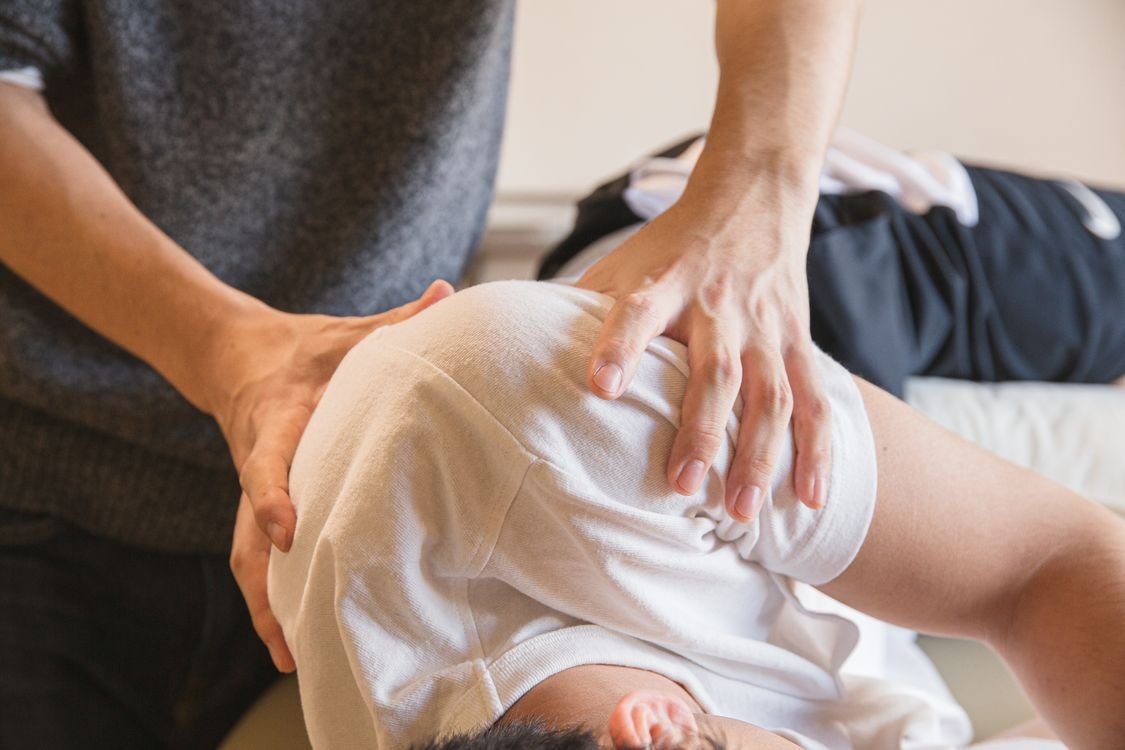
The 3 Stages of Frozen Shoulder — And What Happens in Each
Frozen shoulder progresses through three distinct stages, each with its own characteristics. Understanding which stage you are in helps your Quantum physiotherapist tailor the most effective treatment approach. The stages can overlap and vary in duration from person to person.
| Stage | Also Called | Duration | Key Features | Physio Focus |
|---|---|---|---|---|
| Stage 1 | Freezing / Painful | 2–9 months | Gradual onset of aching shoulder pain, worse at night, pain with movement, early stiffness | Pain relief, gentle mobility, posture, inflammation management |
| Stage 2 | Frozen / Adhesive | 4–12 months | Pain begins to ease but stiffness is at its maximum; significant restriction in all directions | Joint mobilisation, capsular stretching, strength maintenance |
| Stage 3 | Thawing / Resolution | 5–24 months | Gradual spontaneous improvement in movement; pain largely resolved; function returning | Progressive strengthening, functional rehab, sport-specific training |
What Causes Frozen Shoulder?
In many cases, frozen shoulder develops without a clear trigger — this is called primary or idiopathic frozen shoulder. Secondary frozen shoulder follows an identifiable cause. Understanding the cause helps us target the underlying factors in your treatment plan.
Primary (Idiopathic) Causes
- Inflammatory response within the joint capsule (unknown trigger)
- Immune-mediated capsular fibrosis
- Hormonal changes (common in perimenopausal women)
Secondary Causes
- Diabetes — the single highest risk factor (20% of diabetics affected)
- Post-surgical immobilisation (rotator cuff repair, mastectomy)
- Post-fracture immobility (shoulder, wrist, or Colles fracture)
- Rotator cuff injury or tendinopathy
- Thyroid disorders (hypo- and hyperthyroidism)
- Stroke or neurological conditions causing arm disuse
- Prolonged arm sling use after fracture
- Cardiovascular surgery or prolonged hospitalisation
Symptoms of Frozen Shoulder — Self-Checklist
Frozen shoulder symptoms are distinctive but can be confused with other shoulder conditions such as rotator cuff tears, shoulder impingement, or cervical radiculopathy. Use this checklist to assess whether your symptoms align with frozen shoulder — but always seek a proper clinical diagnosis from a physiotherapist.
Frozen Shoulder Symptom Checklist
- ✓ Dull or aching pain deep in the shoulder, often radiating into the upper arm
- ✓ Pain that is worse at night, often disrupting sleep
- ✓ Gradual reduction in shoulder movement over weeks to months
- ✓ Difficulty reaching overhead, behind your back, or across your body
- ✓ Trouble with daily tasks: putting on a jacket, fastening a bra, reaching a seatbelt
- ✓ Sharp pain at the end of movement range
- ✓ Stiffness that feels worst in the morning
- ✓ Painful to lie on the affected shoulder
- ✓ Difficulty lifting the arm to the side beyond 90 degrees
- ✓ Symptoms started gradually without a specific injury
Ticking 4 or more? You may have frozen shoulder. Book a clinical assessment at Quantum Physiotherapy, Vijaya Bank Layout Bangalore.
Seek immediate physiotherapy assessment if your shoulder stiffness is accompanied by sudden severe pain, swelling, redness or fever (which may indicate infection or inflammatory arthritis), arm weakness (suggesting nerve or rotator cuff involvement), or if you have had a recent fall or trauma to the shoulder. These symptoms require urgent clinical evaluation and possibly imaging.
When Should You See a Physiotherapist for Frozen Shoulder?
The earlier you start physiotherapy, the better your outcome. Many patients wait 6–12 months hoping the shoulder will “sort itself out” before seeking treatment. By this time, significant capsular fibrosis has already developed, making treatment more challenging. We recommend seeing a physiotherapist at the first sign of progressive shoulder stiffness or night pain, even before you have a formal diagnosis.
Physiotherapy in the Freezing Stage focuses on pain management and preventing further capsular tightening. In the Frozen Stage, aggressive (but controlled) joint mobilisation and stretching is most effective. In the Thawing Stage, progressive strengthening and functional rehabilitation ensures you regain full use of your shoulder. Each stage demands a different physiotherapy strategy — this is why personalised assessment at Quantum Physiotherapy is essential.
How We Diagnose Frozen Shoulder at Quantum Physiotherapy
Frozen shoulder is diagnosed clinically — a thorough physical assessment by an experienced physiotherapist is the most reliable diagnostic tool. At Quantum Physiotherapy in Vijaya Bank Layout, our comprehensive shoulder assessment includes:
We take a thorough history of your symptoms — onset, progression, aggravating factors, night pain, daily limitations, and relevant medical background (diabetes, thyroid, recent surgery or immobility).
We measure active and passive shoulder movement in all planes — flexion, abduction, external rotation, internal rotation, and extension. In frozen shoulder, passive movement is restricted, distinguishing it from rotator cuff tears where passive movement remains preserved.
We perform specific shoulder tests to rule out rotator cuff pathology, shoulder impingement, labral tears, and cervical radiculopathy — conditions that can mimic frozen shoulder symptoms.
Assessment of arm reflexes, sensation and strength to exclude nerve involvement from the cervical spine.
Where needed, we refer for X-ray to rule out arthritis or calcific tendinopathy, or MRI/ultrasound to assess the rotator cuff. Most frozen shoulders can be diagnosed without imaging, but we use clinical judgement to order investigations when appropriate.
After your assessment, your Quantum physiotherapist will explain exactly what is causing your shoulder stiffness, what stage you are at, and what your personalised treatment plan looks like. Most patients leave their first session with their first treatment already underway and a clear understanding of their recovery pathway.
Frozen Shoulder Physiotherapy Treatment at Quantum — Our Approach
At Quantum Physiotherapy in Vijaya Bank Layout, we use a multi-modal, evidence-based approach to frozen shoulder treatment. No two frozen shoulders are identical — your treatment plan is built around your specific stage, pain level, movement restrictions, lifestyle demands, and goals. Our physiotherapists combine hands-on manual therapy with targeted exercise and electrotherapy to deliver faster, more complete recovery than single-treatment approaches.
Joint Mobilisation
Skilled, graded manual mobilisation of the glenohumeral and scapulothoracic joints to gently stretch the thickened capsule, break down adhesions, and restore range of motion. Our physiotherapists use Maitland Grade I-IV mobilisation techniques — progressed carefully to your tolerance level.
Manual Therapy & Soft Tissue Release
Hands-on treatment to release the posterior capsule, pectoralis minor, and rotator cuff muscles that become tight and painful in frozen shoulder. Myofascial release and trigger point therapy reduce muscle guarding, allowing the joint to be mobilised more effectively.
Electrotherapy
Therapeutic ultrasound, TENS (transcutaneous electrical nerve stimulation), and interferential current therapy to reduce inflammation and pain in the freezing stage, enabling more effective manual therapy and exercise.
Heat & Cold Therapy
Strategic application of moist heat before mobilisation to increase tissue extensibility and blood flow, and cold packs after treatment to reduce post-treatment soreness and inflammation.
Dry Needling
Trigger point dry needling of the rotator cuff and periscapular muscles reduces muscle tension and pain, complementing manual therapy and accelerating recovery in patients with significant myofascial involvement.
Guided Exercise Programme
A structured, progressive home exercise programme — including stretching, mobility drills, and strengthening — prescribed specifically for your stage and monitored at each session. Exercises are updated as your shoulder improves.
Posture & Scapular Training
Poor scapular positioning worsens frozen shoulder mechanics. We retrain scapular stabilisers (serratus anterior, lower trapezius) and correct thoracic kyphosis to optimise shoulder biomechanics throughout recovery.
Activity Modification & Education
We teach you how to modify daily tasks to avoid aggravation, optimal sleeping positions to reduce night pain, and which activities to avoid and which to continue. Understanding your condition accelerates recovery and prevents setbacks.
Frozen Shoulder Exercises — Your Home Rehabilitation Programme
Consistent home exercise is a critical component of frozen shoulder recovery. The exercises below are commonly prescribed by our Quantum physiotherapists — but note that the right exercise depends on your stage. Never push through sharp pain. If an exercise causes significant pain, stop and speak to your physiotherapist before continuing. These exercises complement your clinic sessions; they do not replace them.
Pendulum Swings
Stage: Freezing and early Frozen | Sets/Reps: 3 x 20 circles each direction
How: Lean forward, support yourself with your unaffected arm on a table. Let the affected arm hang freely. Use gentle body momentum to swing the arm in small circles — clockwise and anticlockwise. Do not use shoulder muscles actively. This uses gravity to gently distract the joint, reducing pressure and improving fluid movement in the capsule.
Cross-Body Shoulder Stretch
Stage: All stages | Sets/Duration: 3 x 30 seconds
How: Use your unaffected arm to bring the affected arm across your body, holding just above the elbow. Gently pull until you feel a stretch in the back of the shoulder. Hold and breathe. This stretches the posterior capsule — one of the tightest structures in frozen shoulder.
Wall Crawl (Finger Walk)
Stage: Frozen and Thawing | Sets/Reps: 3 x 10 repetitions
How: Stand facing a wall, fingertips touching at waist height. Walk your fingers slowly up the wall as high as is comfortable. Hold for 5 seconds at the top, then slowly walk back down. Repeat to the side as well. This actively works shoulder flexion and abduction range with the support of the wall.
Towel Stretch (Internal Rotation)
Stage: Frozen and Thawing | Sets/Duration: 3 x 30 seconds
How: Hold a towel behind your back — unaffected hand above, affected hand below. Gently pull the towel upward with the unaffected hand, lifting the affected arm into internal rotation. Hold the stretch. This addresses internal rotation — typically the last movement to return in frozen shoulder.
Sleeper Stretch
Stage: Frozen and Thawing | Sets/Duration: 3 x 30 seconds each side
How: Lie on your affected side with the shoulder at 90 degrees and elbow bent. Use your other hand to gently press the forearm toward the bed, rotating the shoulder internally. Hold comfortably. Targets the posterior capsule specifically and is one of the most effective frozen shoulder stretches.
External Rotation Stretch at Door Frame
Stage: Thawing | Sets/Duration: 3 x 30 seconds
How: Stand in a doorway with your elbow bent at 90 degrees and forearm resting on the door frame. Gently step forward, rotating your body away from the arm until you feel a stretch at the front of the shoulder. This opens the anterior capsule and is particularly effective in the thawing stage.

Frozen Shoulder Recovery Timeline — What to Expect
Recovery from frozen shoulder varies based on your stage at the start of treatment, your consistency with home exercises, and whether contributing factors (like diabetes) are well-managed. The table below shows typical recovery milestones with physiotherapy compared to no treatment:
| Timeframe | Without Treatment | With Quantum Physiotherapy |
|---|---|---|
| Month 1–2 | Pain worsening; stiffness increasing; sleep disrupted | Pain reducing; initial range improvements; better sleep posture taught |
| Month 3–4 | Fully frozen — severe stiffness in all directions | Significant mobility gains; 50–70% range often restored |
| Month 5–6 | Still frozen; occasional slow improvement begins | Near-full range in many patients; return to most activities |
| Month 9–12 | Gradual spontaneous improvement (thawing begins) | Full recovery for most patients; strengthening programme complete |
| Year 1–3 | Ongoing slow recovery; residual stiffness common | Full function restored; relapse prevention strategies in place |
Yes — in the vast majority of cases. More than 90% of patients with frozen shoulder recover fully with physiotherapy alone. Surgery (manipulation under anaesthesia or arthroscopic capsular release) is reserved for cases that have not responded after 12–18 months of well-executed conservative treatment. At Quantum Physiotherapy, our structured approach means the overwhelming majority of our patients never need surgery.
Frozen Shoulder Physiotherapy Near You — Areas We Serve
Quantum Physiotherapy & Sports Rehab is based in Vijaya Bank Layout, BTM Layout, Bangalore — one of south Bangalore’s most accessible clinic locations. We see patients with frozen shoulder from across the surrounding neighbourhoods, including:
Our primary location — frozen shoulder physiotherapy right in your neighbourhood
Comprehensive adhesive capsulitis treatment minutes from BTM
Frozen shoulder physiotherapy accessible for Bilekahalli and Arekere residents
Expert shoulder physiotherapy for patients along Bannerghatta Road corridor
Serving JP Nagar and Jayanagar patients with convenient south Bangalore access
Frozen shoulder treatment for Hulimavu and Begur Road residents
Adhesive capsulitis specialist physiotherapy for Akshayanagar patients
Patients from HSR Layout trust Quantum for frozen shoulder care in Bangalore
Why Choose Quantum Physiotherapy for Frozen Shoulder Treatment in Bangalore?
Specialist Shoulder Expertise
Our physiotherapists have advanced training and extensive experience in shoulder conditions, including frozen shoulder, rotator cuff injuries, shoulder impingement and post-surgical shoulder rehab. You are not receiving a generic physiotherapy protocol — you receive specialist shoulder care.
Personalised, Stage-Specific Treatment
We assess your exact stage of frozen shoulder and build a treatment plan tailored to your specific restrictions, pain levels, lifestyle, and goals — updated at every session as you improve.
Evidence-Based Protocols
Every technique we use is supported by current clinical evidence. We do not rely on outdated protocols. Our manual therapy, mobilisation grades, and exercise progressions follow internationally recognised clinical practice guidelines.
Hands-On Every Session
You see the same physiotherapist at every session, not an assistant or aide. Every session includes hands-on manual therapy — not just exercise supervision. This consistency and quality of care is what differentiates Quantum Physiotherapy.
Convenient Vijaya Bank Layout Location
Easy parking, ground-floor access, and a calm clinical environment. Located in Vijaya Bank Layout with excellent connectivity from BTM Layout, Bannerghatta Road, JP Nagar, and surrounding areas. Evening and Saturday appointments available.
Outcome Tracking
We measure your shoulder range of motion and pain scores at every session and track your progress objectively. You can see exactly how much improvement you have made, which motivates consistent attendance and home exercise compliance.
What Our Frozen Shoulder Patients Say
“I had frozen shoulder for nearly 8 months before I found Quantum Physiotherapy in Vijaya Bank Layout. Within 6 weeks of starting treatment, I could lift my arm above my head for the first time in months. In 4 months I was fully recovered. Exceptional physiotherapists.”
“As a diabetic, I was told frozen shoulder would take years to heal. The Quantum team understood my condition, adjusted the treatment accordingly, and had me back to work — and cricket — in about 5 months. The manual therapy sessions were a game-changer.”
“Night pain was ruining my sleep for 6 months. Within the first 2 sessions at Quantum Physiotherapy, the night pain was already reducing. Their approach is genuinely different — hands-on, explained clearly, and it works. I wish I had come sooner.”
Frequently Asked Questions — Frozen Shoulder Physiotherapy in Vijaya Bank Layout Bangalore
Frozen shoulder (adhesive capsulitis) is a condition where the connective tissue capsule surrounding the shoulder joint becomes inflamed, thickened, and tight — progressively reducing shoulder movement. In primary frozen shoulder, the cause is unknown (idiopathic). Secondary frozen shoulder follows immobility, diabetes, thyroid disorders, surgery, or injury. It is most common in women aged 40–60 and in people with diabetes, who are at up to 20% higher risk.
With expert physiotherapy at Quantum Physiotherapy in Vijaya Bank Layout, most patients see significant improvement within 6–12 weeks and achieve full or near-full recovery within 4–6 months. Without treatment, frozen shoulder can take 1–3 years to resolve, often with residual stiffness. Starting physiotherapy as early as possible significantly reduces your total recovery time.
Surgery is rarely needed. More than 90% of frozen shoulder cases respond fully to physiotherapy. Surgery — either manipulation under anaesthesia (MUA) or arthroscopic capsular release — is only considered for patients who have not responded after 12–18 months of dedicated conservative treatment. At Quantum Physiotherapy, our structured approach means the vast majority of our patients never require surgery.
Yes. Physiotherapy is the primary and most effective treatment for frozen shoulder. Our evidence-based approach — combining manual joint mobilisation, soft tissue release, electrotherapy, dry needling, and a progressive exercise programme — restores full shoulder function in the overwhelming majority of patients. The key is starting treatment early and maintaining consistency with your sessions and home exercise programme.
The three stages are: (1) Freezing Stage (2–9 months without treatment) — gradual onset of pain and stiffness, worse at night; (2) Frozen Stage (4–12 months) — pain begins to ease but stiffness reaches its maximum, severely limiting daily activities; (3) Thawing Stage (5–24 months) — gradual spontaneous return of movement. Physiotherapy is beneficial in all three stages and dramatically reduces the duration of each stage.
The most effective home exercises include: pendulum swings (gentle joint distraction), cross-body shoulder stretch (posterior capsule release), wall crawls / finger walks (active flexion and abduction), towel stretches (internal rotation), sleeper stretch (posterior capsule), and door frame external rotation stretch. The right exercise depends on your stage. Your Quantum physiotherapist will prescribe a personalised programme and progress it as your shoulder improves.
Gentle, guided exercise is important even during the painful freezing stage — complete rest makes frozen shoulder worse by allowing further capsular tightening. However, exercises should not cause sharp or severe pain. The rule is “comfortable discomfort” — a gentle pulling sensation at end-range is normal, but sharp pain is a sign to reduce the intensity. Your Quantum physiotherapist will teach you the right exercises for your stage and pain level.
The key distinction is in passive movement: in frozen shoulder, both active and passive shoulder movement are restricted. In shoulder impingement, passive movement is typically normal (the issue is dynamic, not capsular). In rotator cuff tears, passive movement is usually preserved but active movement (especially abduction and external rotation) is weak or painful. A clinical assessment by your Quantum physiotherapist will accurately diagnose your condition and identify the right treatment.
Frozen shoulder in diabetic patients can be more resistant to treatment and may take longer to resolve. However, physiotherapy is still very effective. Managing blood sugar levels well, in conjunction with physiotherapy, significantly improves outcomes. Our physiotherapists have experience treating diabetic patients with frozen shoulder and tailor treatment intensity and progression accordingly. We also coordinate with your physician where appropriate.
Most frozen shoulder patients benefit from 2 sessions per week for 6–8 weeks, followed by weekly maintenance sessions as improvement continues. The total number of sessions depends on your stage at the start of treatment, pain levels, response to therapy, and consistency with home exercises. After your initial assessment, your Quantum physiotherapist will give you a clear treatment plan with an estimated number of sessions and expected milestones.