
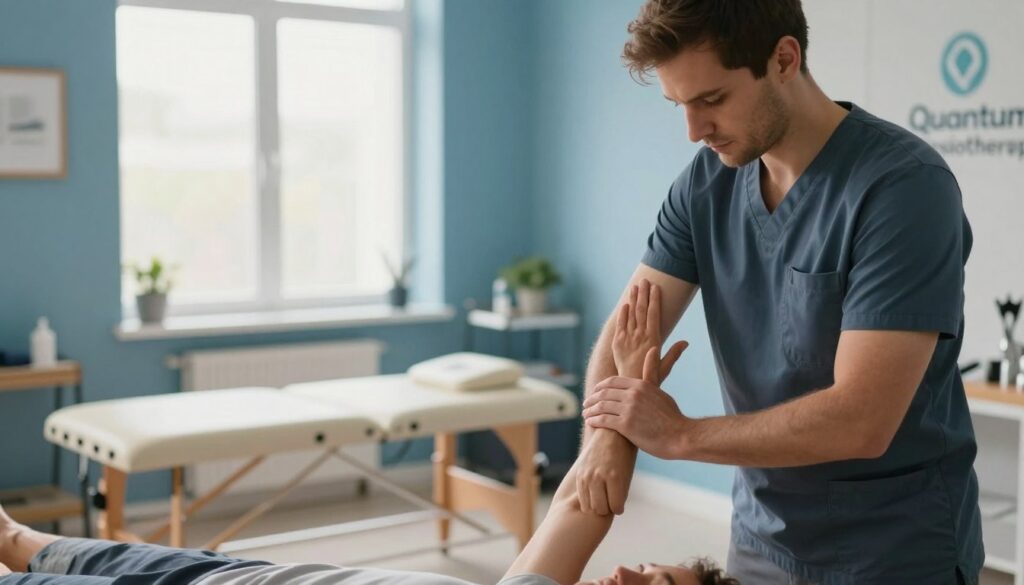
Soft tissue mobilisation is a hands-on clinical approach used in physiotherapy today to ease pain, reduce stiffness and improve movement after injury or overuse.
In this guide we explain what clinicians do, what you can expect in a session and which techniques may be used. We will be clear about limits: this article describes common practice and likely benefits, not guaranteed cures.
This guide is aimed at people in India managing persistent aches, sports niggles, office-posture complaints or post-injury tightness who want to understand treatment options before booking an assessment.
We preview a step-by-step approach: assessment by a therapist, session routines, possible tool-assisted care and how to prepare and recover. Evidence exists but is limited, so best outcomes usually come when tissue work is combined with an active plan of movement, loading and home exercises.
Safety matters: the right approach depends on the area involved, irritability of symptoms and any red flags that need medical review.
Key Takeaways
- Mobilisation is a clinician-led, hands-on therapy for pain and movement limits.
- Both “mobilisation” and “mobilization” are used to describe the same approach.
- The guide suits people in India with chronic aches, sports niggles or posture issues.
- Best results pair tissue work with active exercises and load management.
- Safety and suitability depend on injury type, symptom irritability and red flags.
What soft tissue mobilisation is and why it’s used in physiotherapy today
Today’s physiotherapy often uses hands-on methods to affect the body’s layers that can drive pain and loss of motion. Soft tissue mobilisation is a practical term for manual therapy used to treat muscles, fascia and related structures that contribute to symptoms.
What counts as soft tissues clinically
Clinically, the phrase covers more than muscle. It includes:
- skin and fat
- muscles and tendons
- ligaments, cartilage and fascia
- synovial membranes, nerves and blood vessels
Common injury types and real‑world causes
The umbrella term for damage to these tissues includes strains, sprains, contusions, tendonitis, bursitis and stress injuries. In India, links are common: gym overuse and incorrect loading can cause strains, running volume spikes produce tendon problems, long desk hours lead to chronic tightness, and manual labour may trigger sprains or bursitis.
How tension can lead to pain, weakness and limited range
After injury, tissues may become irritated, develop protective tension and lose normal glide. A muscle that cannot relax fully often produces more pain, drops in strength and a reduced range of motion. Clinicians therefore pair hands-on work with exercise to break the tension‑weakness‑restriction loop.
| Injury | Typical cause (India) | Usual signs | Clinician response |
|---|---|---|---|
| Strain | Sudden overload in gym or sport | Local pain, weakness | Manual release, progressive loading |
| Tendonitis | Running spikes, repetitive use | Activity pain, stiffness | Targeted desensitisation and loading |
| Bursitis | Repeated rubbing, posture | Point tenderness, reduced glide | Unload, gentle mobilisation and rehab |
| Contusion / stress injury | Direct impact or gradual overload | Bruising, aching, limited motion | Protection, graded movement, manual care |
Note: discomfort may reflect nervous system guarding as much as tissue change. Seek assessment rather than self-diagnose complex problems.
When soft tissue mobilization may help: common pain and mobility problems
When rest and self-care fail, targeted manual methods can ease pain and restore range. People in India commonly seek treatment for ongoing pain, stiffness and reduced mobility that do not settle with rest alone.
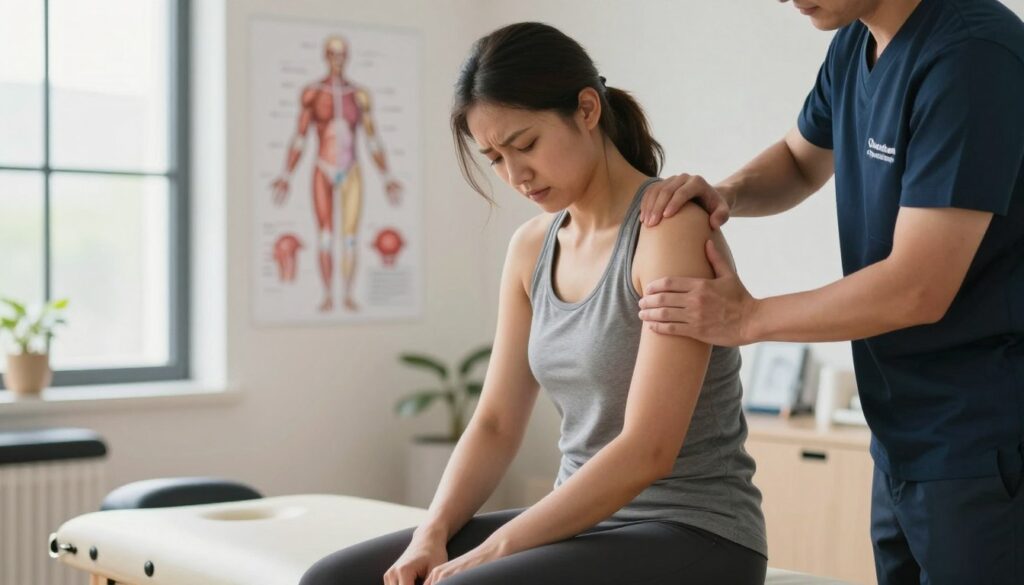
Neck and back problems
Neck and back pain often reflect reduced glide, protective muscle guarding and postural loading from long drives or screen work.
A therapist may use tissue mobilisation alongside exercises to improve movement and relieve local discomfort.
Upper‑limb conditions
Common referrals include tennis elbow, golf elbow, carpal tunnel syndrome and rotator cuff or biceps tendinitis.
Hands-on care can reduce local tightness and support strengthening and ergonomic changes needed for recovery.
Lower‑limb issues
Runners and active adults often present with ankle or knee sprains, shin splints, plantar fasciitis, Morton’s neuroma and hip pain.
Treatment choice depends on irritability and healing stage; manual work pairs best with graded loading and mobility drills.
Scar tissue and adhesions
Post‑injury or post‑surgical scar tissue can limit motion and alter patterns of movement. Therapists may include tissue mobilisation as part of a wider plan to restore function.
- Decision guidance: seek assessment if pain is severe, worse at night, progressive or has tingling or weakness.
- Role in care: this is one component of effective treatments when combined with physiotherapy exercises and sport‑specific planning.
How to check if you’re a good candidate in India
Deciding whether hands-on care will help starts with a quick self-review. A targeted check can point you toward a clinic visit or safer self-care.
Signs you may benefit
Simple checklist:
- Persistent stiffness that lasts weeks despite rest
- Recurring tightness in one area that won’t ease with stretching
- Reduced range or painful movement with daily tasks
- Pain that returns with specific activities
Who delivers it in India
Physiotherapists, physical therapists and occupational therapists commonly provide this therapy. Some clinics also offer care from trained manual therapists, osteopaths or chiropractors. Verify qualifications and scope at your clinic.
When to get assessed rather than self-treat
An in-person assessment matters because similar pain can come from tendon, muscle or nerve sensitivity. A clinician performs a physical exam and measures range motion to choose the right technique and dose.
| Provider | Typical setting | What they assess |
|---|---|---|
| Physiotherapist | Hospitals, private clinics | Movement patterns, joint range, functional limits |
| Occupational therapist | Rehab centres, clinics | Task-specific function, area tolerance |
| Manual therapist / osteopath | Private practice | Local tissue sensitivity, technique suitability |
Warning: avoid aggressive self-massage or tools if you have numbness, progressive weakness, unexplained swelling, fever or recent falls. Bring scans, surgery notes and a medication list when you book. Clear description of symptoms helps the physical therapist plan safe progress.
What happens in a soft tissue mobilisation treatment session
Your first appointment focuses on a practical assessment that guides safe, personalised care.
Initial assessment
The clinician takes a short history, asks about aggravating and easing factors and screens for red flags. They perform a physical exam to locate primary drivers of pain and restriction.
Measuring motion and function
Range is checked actively and passively, and sides are compared. Functional tests link findings to work or sport demands so the therapist can plan appropriate treatments.
Hands-on application
Therapy uses graded pressure, stretching and tissue massage to reduce protective tension and improve tolerance to movement. The clinician adjusts depth according to irritability, injury stage and your feedback.
Instrument-assisted approaches
Tools may be used for precision and to reduce strain on the clinician’s hands. These methods should feel controlled, not aggressive, and aim for consistent pressure and targeted release.
“Consent and comfort are central — your therapist should explain techniques, check tolerance and modify if symptoms flare.”
- Beyond hands-on care: expect education, a home plan and a progression strategy so treatment translates into daily function.
- Practical note: tell your physical therapist about scans, surgeries or medications before starting treatment.
Techniques practitioners use to mobilise soft tissues
Practitioners combine active and passive methods to match your symptoms and stage of healing. The clinician selects a technique based on irritability, location and functional goals rather than applying a one-size-fits-all routine.
Sustained pressure and trigger point therapy
Targeted pressure is used on tight bands and local pain points to reduce sensitivity. Intensity is checked with your feedback so the input eases tension without flaring symptoms.
Cross-friction for tendons and ligaments
Cross-friction work aims to maintain glide at tendon and ligament interfaces. It is common for stubborn overuse problems and supports connective tissue repair when combined with graded loading.
Myofascial release
Slow, sustained holds address fascial restriction and improve tissue glide across larger areas. This is useful when several regions feel bound rather than one focused spot.
Strain‑counterstrain and positional release
These gentler options suit acute or very sensitive presentations. Positions are held for about 90 seconds to 3 minutes while the system relaxes.
Muscle energy and PNF
Active contraction techniques and PNF stretching use controlled effort to regain flexibility and movement control. They bridge manual work and exercise rehabilitation.
Manual traction and lymphatic care
Traction may be used selectively for certain back complaints to reduce perceived compression. Manual lymphatic drainage helps when fluid limits comfort or movement.
Instrument‑assisted methods
Graston, ASTYM and IASTM are tool-based approaches aimed at adhesions and scar tissue. Bruising is not a goal and does not prove effectiveness; controlled input and rehab loading matter more.
“Your therapist should explain each technique and adjust dose to your response.”
Step-by-step: how soft tissue mobilisation supports healing and function
This short plan explains how mobilisation links hands-on care to real gains in healing and daily function. Therapists use graded input to improve tolerance for movement and to let you progress exercise without worsening pain.
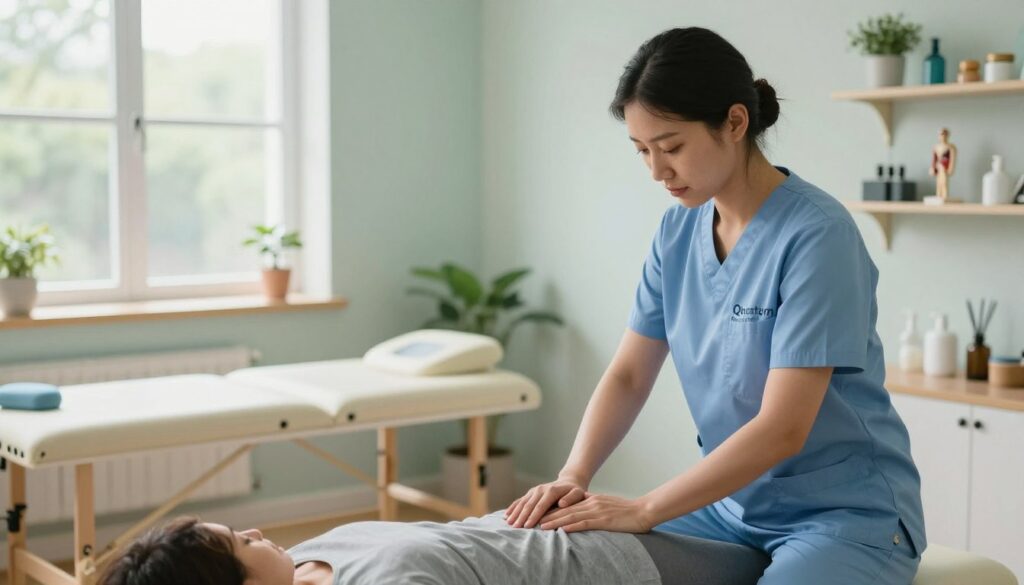
Breaking down adhesions and scar restriction
The goal is improved glide and less restriction, not a guaranteed structural “breakdown” of scar tissue. Clinicians aim to restore movement quality so tasks feel easier and rehab loading is possible.
Improving circulation and clearing waste
Gentle manual input can boost local circulation for a short time. This may ease heaviness and help clear metabolic by-products that add to stiffness.
Reducing muscle tension and restoring range
Pressure and movement reduce protective guarding in muscle and let joints move more freely. Restored range helps you load the area during exercises for ongoing healing.
Neurological and psychological mechanisms
Touch changes how the nervous system interprets threat. This can lower pain sensitivity and reduce muscle activity even if tissue structure is unchanged. When combined with graded work, these effects support lasting function.
Practical note: clinicians dose treatment to avoid flares; overly aggressive input can increase inflammation rather than reduce it.
How to prepare and what to do after treatment for best results
Clear communication and simple self-care steps before and after treatment help turn short sessions into lasting gains. Tell your therapist about pain patterns, previous injuries or surgery, and any movements that hurt or limit your daily tasks.
Before your session
Use this short checklist when you book: location and severity of pain, whether it is constant or activity‑linked, prior sprains or operations, and which motions or tasks you cannot do.
Also say how you live and work — commute time, desk set‑up, sport load and sleep. These details shape a practical physiotherapy plan in India.
After your session
Mild soreness, temporary redness or a “worked” feeling is common. If pain gets worse, swelling increases noticeably, or you get new numbness or weakness, contact your clinician quickly.
RICE for acute injuries
For fresh injuries use RICE: rest the area, ice for 15–20 minutes at a time, add compression and elevate above heart level when possible.
Support recovery between visits
Follow graded movement and progressive strengthening from your physiotherapist. Short breaks, posture checks and controlled loading help reduce inflammation and improve motion.
“Avoid aggressive self‑massage over very sore areas and do not push into sharp pain.”
Benefits, limitations and what the research currently says
Hands-on care can ease symptoms quickly, but understanding likely gains and limits helps you plan realistic recovery. This section summarises the main benefits, reviews the evidence and sets expectations for what mobilisation can and cannot change.
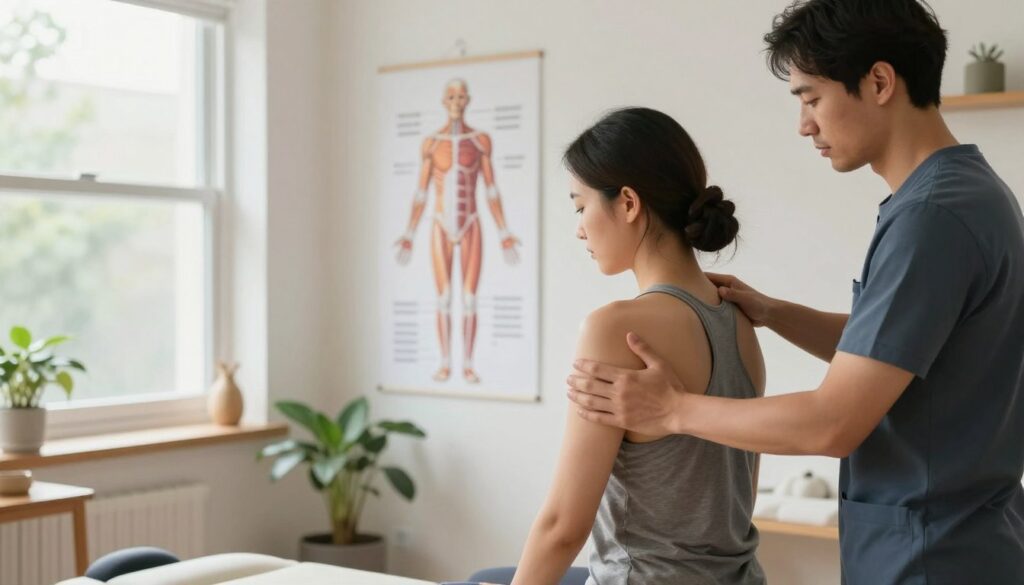
Potential benefits
What people often gain: reduced pain, improved mobility and better everyday function.
When paired with a progressive exercise plan, manual therapy may also help reduce swelling and inflammation and support healing of irritated areas.
Evidence snapshot
Research is limited and many studies are small. Case reports and trials do, however, show positive outcomes for common complaints.
| Finding | Implication |
|---|---|
| Randomised trial (198 people with tennis elbow) | Mobilisation with movement outperformed steroid injection and no treatment overall |
| Case series and small trials | Often show short-term pain and function gains when combined with rehab |
Setting realistic expectations
Mobilisation can change symptoms, sensitivity and movement confidence. It does not reliably “break down” scar or permanently alter tissue structure by itself.
Important: this therapy is supportive. It works best alongside strengthening, load management, sleep optimisation and ergonomic changes.
“Manual approaches often act through neurological and psychological pathways rather than by dramatic structural change.”
Distinction: mobilisation differs from manipulation, which may imply faster, higher-force techniques. Your physiotherapy team will choose approaches that match your symptoms and goals.
Staying safe and making progress with the right plan
Good results depend on careful screening, sensible dosing and active rehab alongside treatment. A physical therapist should check for recent fractures, nerve signs, post‑surgical limits or open wounds before starting soft tissue mobilisation.
Choose a reputable clinic in India with clear assessment, informed consent, hygiene standards and a written plan that pairs therapy with exercises. Ask how techniques will be graded and what to expect after a session.
Progress should reduce pain and improve movement without flares that last beyond 24–48 hours. Track markers such as easier stairs, less morning stiffness, wider range and return to sports training with fewer setbacks.
If symptoms worsen, new numbness appears, swelling grows or you get systemic signs, seek reassessment or escalate care promptly. Regular review and graded strengthening support lasting healing and lower recurrence.