

This guide explains a practical, drug-free toolkit for managing discomfort and improving function.
Pain relief therapy means step-by-step home strategies, guided rehabilitation, clinic-based options and mind–body approaches. These low-risk methods often reduce the need for medicines, a finding supported by the American Chronic Pain Association.
Expect an instructional how-to: choose methods by symptom type, urgency of need and whether the issue is short-term or persistent. Many people look beyond tablets due to side effects, interactions and a wish to avoid long-term reliance on strong medicines.
We will prioritise reducing inflammation when present, restoring movement, improving sleep and stress resilience, and preventing recurrence rather than chasing quick fixes. This guide complements clinician care; many approaches work best when combined and monitored.
Safety note for India: persistent or worsening symptoms, new neurological signs, or pain after an accident should prompt medical assessment rather than self-management.
Key Takeaways
- Drug-free, staged methods can lower medicine use and improve function.
- Learn to match approaches to symptom type and urgency.
- Avoid long-term reliance on strong medicines when safer options exist.
- Focus on inflammation control, movement, sleep and resilience.
- Seek medical review for persistent, worsening or post-accident signs.
Understanding pain, inflammation, and what your symptoms are telling you
Reading the signs your body sends is the first step to choosing safer, smarter care. The body uses discomfort as a protective signal: short-term inflammation helps healing, but persistent inflammation can sustain ongoing symptoms and limit function.
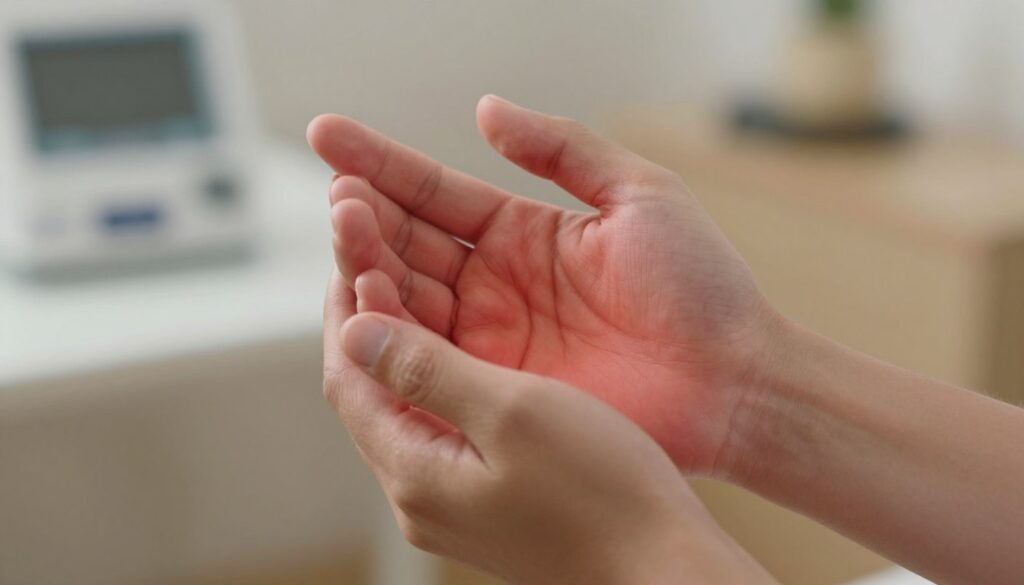
Acute versus chronic — why duration changes the plan
Acute issues after a strain usually need brief protection and short-term symptom control. If symptoms last three months or more, they are classed as chronic and often respond poorly to simple OTC measures.
Chronic problems require rehabilitation, pacing and a broader management approach rather than repeating one quick fix.
Common causes in everyday life
In India, long commutes, prolonged sitting, screen time, lifting children or heavy groceries, and repetitive work tasks often trigger back pain, neck or shoulder tension, arthritis flare-ups and muscle strain.
What your symptoms may indicate
- Swelling and warmth suggest active inflammation.
- Stiffness and reduced range often point to deconditioning.
- Sharp, radiating discomfort, numbness or weakness can imply nerve involvement and needs assessment.
When to seek medical assessment
Move away from home methods if you have severe or unbearable symptoms, new neurological signs, fever, unexplained weight loss, new bladder or bowel changes, progressive weakness, or pain after a fall or road accident.
Early, correct diagnosis matters: treating the wrong cause can prolong recovery, especially when the spine, joints or nerves are involved. The most effective approach matches methods to the symptom pattern and underlying cause.
Fast, practical pain relief at home you can try today
Immediate steps at home can reduce swelling, ease stiffness and protect movement while you seek further care. Choose approaches that suit the symptom pattern and the time since injury.
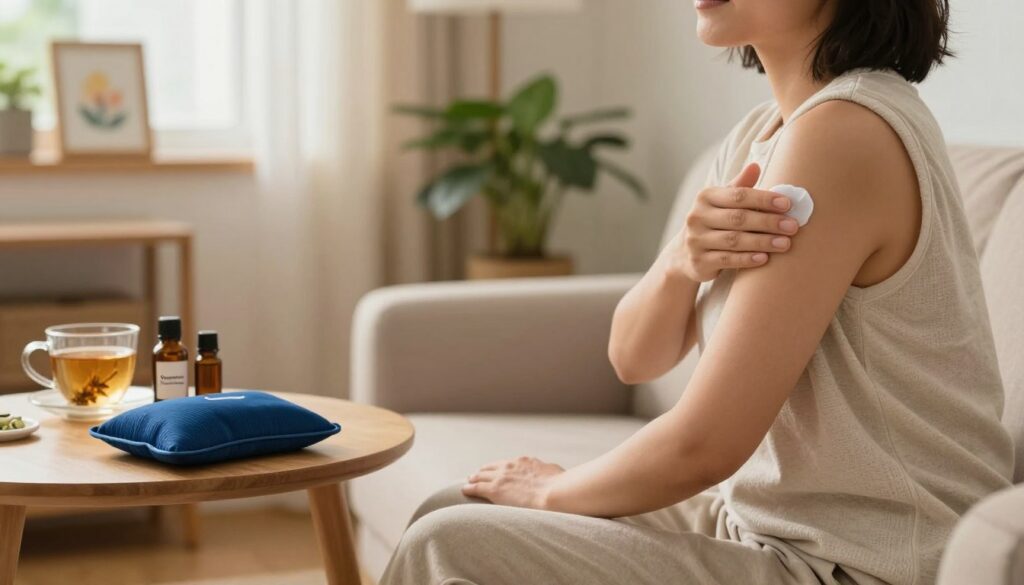
Heat versus ice: a quick decision guide
Use ice soon after a strain or sprain when swelling or warmth is obvious. Apply wrapped ice for 10–15 minutes with a thin cloth barrier, repeat every 2–3 hours for the first 48–72 hours.
Switch to heat once swelling settles and stiffness is the main issue. Moist heat (warm towel) suits arthritic joints and stiff muscles better than continued cold.
Safe timing and practical rules
- Limit each application to 10–15 minutes; stop if skin becomes very red, numb or painful.
- Use a wrapped ice pack or warm towel from the kitchen—common, safe setups in Indian homes.
- Set a phone timer and repeat short sessions across the day rather than one long application.
Gentle movement and stretch breaks
Same-day activity helps protect mobility. Try short walks, light range-of-motion drills and avoid complete bed rest.
For desk-related aches, do micro-breaks every 30–45 minutes: neck turns, chest openers, hip-flexor stretches and calf raises to ease sitting effects.
Scale by response
Aim for acceptable discomfort, not sharp pain. Use how you feel the next day to judge volume; reduce intensity if soreness worsens.
pain relief therapy through guided rehabilitation and physical care
When home measures stall, structured rehabilitation offers a clearer path to restored function. Guided programmes suit recurring symptoms, reduced function, or problems that persist for weeks despite self-care.
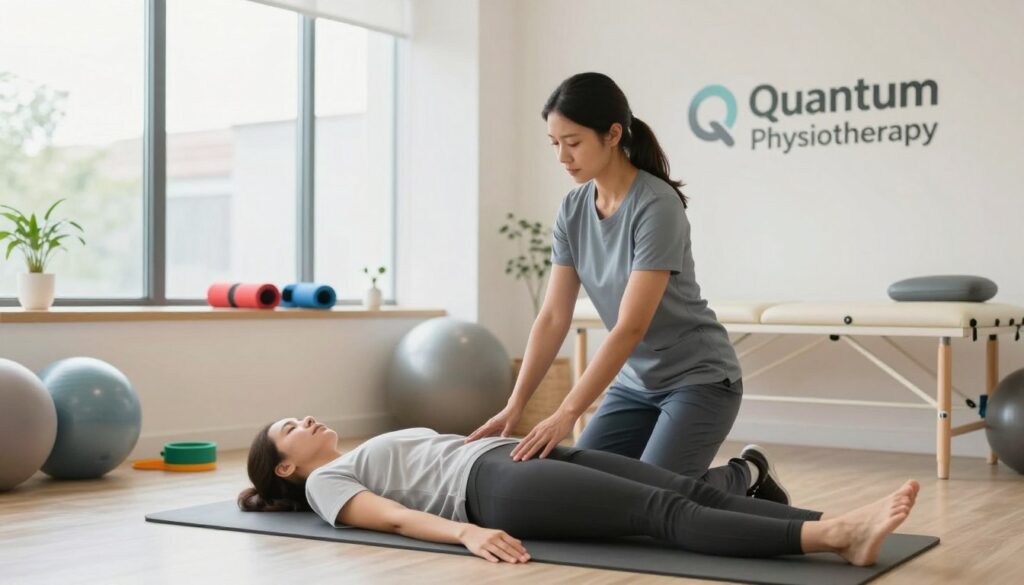
Physical therapy: assessment, strengthening and hands-on care
Physical therapy begins with a movement assessment and lifestyle review. Treatment often includes progressive strengthening, stretching and hands-on soft-tissue work to improve range and reduce flare-ups.
Occupational support for daily tasks
Occupational input teaches safer ways to lift, set up a desk or manage kitchen tasks. Small changes in technique and pacing can lower strain and keep patients functioning at work and home.
Low-impact conditioning and pool exercise
Pool-based programmes, gentle cycling and walking progressions reduce load while building capacity. These options suit joints and the wider body and work well when higher impact exercise is unsuitable.
Pacing, progression and adherence
Start below your limit and increase one variable at a time to avoid boom–bust cycles. Set a weekly plan, track symptoms and sleep, and link exercise times to daily routines for consistent benefits.
| Option | Main focus | Best for | Typical effects |
|---|---|---|---|
| Physical therapy | Strength & hands-on care | Weakness, stiffness | Improved mobility, reduced flare-ups |
| Occupational therapy | Task technique & ergonomics | Daily activity limitations | Safer work/home function |
| Pool & low-impact | Conditioning with low load | Joint or spinal sensitivity | Increased endurance, less aggravation |
Drug-free clinic-based treatments that may help manage persistent pain
When persistent symptoms limit daily tasks, clinic-based, drug-free options can offer structured, hands-on approaches.
Choose a clinic approach by pattern: muscle tension typically suits manual work, joint issues respond to targeted modalities, and recurrent headaches need a different plan. Pick based on where the problem sits and your preference for hands-on care.
Acupuncture for headaches and joint or neck issues
Acupuncture sessions involve fine needles placed into specific points. Studies suggest it can trigger serotonin release and lower stress, and it may help headaches, arthritis, neck and shoulder problems. Expect several sessions to judge benefit.
Massage as a clinical intervention
Massage targets muscle tension and stress-related symptoms. Even short sessions can trigger inflammation-reducing signals. Deep tissue work may match the effect of NSAIDs for some chronic low-back cases, while gentler techniques suit early sensitivity.
Chiropractic care and adjunct modalities
Chiropractic care often combines spinal manipulation with ultrasound, electromagnetic devices, and heat or ice. These options are usually integrated with exercise and rehabilitation to restore function rather than replace it.
“Choose approaches that support movement and function, not just short-term comfort.”
When alternative approaches are insufficient
If function stays poor, discuss second-line injections or nerve blocks with a specialist. These can help manage symptoms temporarily and should support rehab. Some people still need OTC or prescription medicines; review side effects and interactions with a clinician before combining remedies.
Mind-body techniques for pain management, stress, and anxiety
Mind–body methods work because the brain shapes how sensations feel. Stress amplifies sensitivity, shortens sleep and tightens muscles, so reducing arousal helps overall management.
Mindfulness meditation
Try a simple start: sit comfortably for 5–10 minutes, focus on the breath or a neutral word, and gently return when distracted. In a study of 109 chronic patients, a structured programme improved perceived symptoms, lowered anxiety and boosted mental clarity.
Breathing exercises
Use slow nasal breathing with a longer exhale to down‑regulate the fight‑or‑flight response. Practice 4–6 slow cycles for acute spikes and pair with grounding words to break anxiety-driven loops.
Yoga, tai chi, biofeedback and music
Yoga and tai chi combine movement, breath and relaxation; they build mobility and calm. Modify poses and avoid pushing into sharp sensations.
Biofeedback uses sensors to teach control of heart rate and muscle tension. It suits people with entrenched stress–symptom cycles and complements rehabilitation.
Music therapy is a practical daily tool: curate a short playlist for flare-ups, pair it with breathing or gentle movement, and use it to lower perceived intensity and improve mood.
“Mind‑body skills boost clarity, reduce anxiety-driven episodes, improve sleep and help people stick with rehabilitation.”
Anti-inflammatory food choices and natural remedies: benefits, limits, and side effects
An anti-inflammatory approach to eating focuses on whole foods and practical swaps. Small changes can lower swelling over weeks and support joint function.
Anti-inflammatory plate: favour leafy greens, colourful vegetables, berries, whole grains, lentils, nuts and seeds, and modest oily fish. Limit sugary snacks, deep-fried foods and excess salt.
Antioxidants and simple examples
Antioxidants neutralise reactive molecules that can sustain inflammation. Eat spinach, broccoli and berries regularly to get these benefits.
Turmeric and curcumin
Turmeric in food is safe and often used. Curcumin supplements may help arthritis symptoms but absorb poorly alone.
Pairing curcumin with piperine (black pepper) improves uptake. People on blood thinners or diabetes medicines should check with a clinician.
Boswellia, cloves, fish oil and essential oils
Boswellia (frankincense) is an Ayurvedic remedy with a 2020 study of 545 people showing reduced osteoarthritis pain and stiffness; it may suit some patients.
Clove oil contains eugenol and can be used topically after a patch test; avoid broken skin and sensitive areas.
Fish oil has anti-inflammatory properties; a study using 1,200 mg daily for 75 days helped many reduce prescription medicines.
Lavender, rosemary, peppermint and ginger oils can support comfort when diluted; inhalation or diluted topical use is safer than ingestion.
“Supplements vary in quality; check interactions and side effects with a clinician, especially if pregnant or on prescription medicines.”
Putting it all together: a safe, personalised plan for lasting relief
Use a simple framework to join home measures, rehabilitation and clinic options.
Start by reading symptoms, then add fast home care and progress into guided rehab. Layer clinic treatments or mind–body options if capacity or function stays limited. This plan helps manage flare-ups and builds long‑term benefits.
If symptoms improve, keep the minimum effective dose and slowly increase activity. If they stay the same or worsen over 48–72 hours, seek a specialist (orthopaedics, physiatry or physiotherapist) for targeted assessment.
Personalise a weekly plan: pick 1–2 home ways for flares, 2–4 rehab exercises for capacity, and one stress‑management practice. Track sleep, walking tolerance and work ability to judge effects beyond scores.
Safety check: review medical conditions, medicine interactions and avoid starting several new treatments at once. A tailored, mixed approach gives the best chance of lasting pain relief and functional gains.