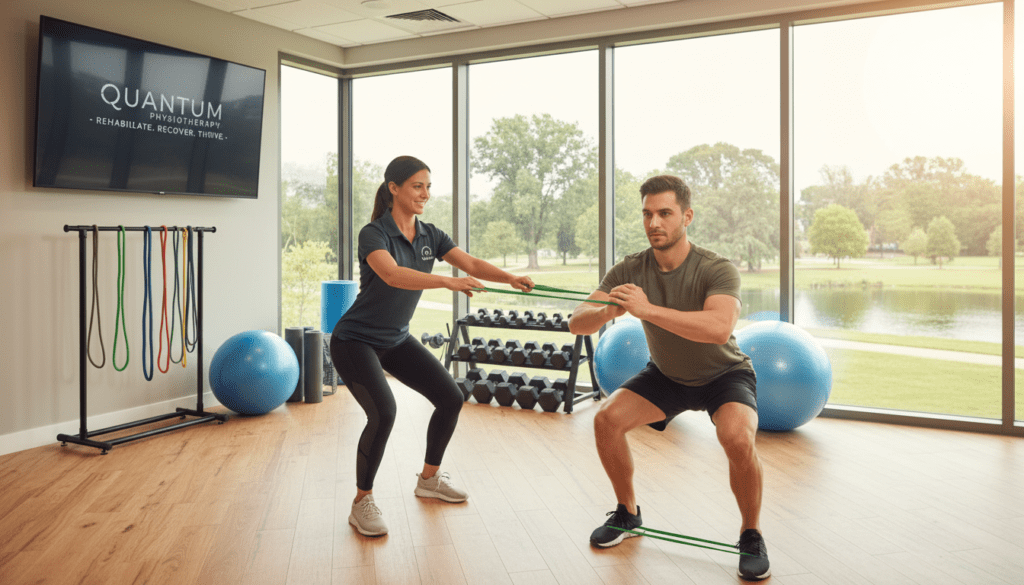
Orthopedic rehabilitation is a practical, step-by-step pathway that helps people regain function and confidence after injury or surgery. It combines assessment, goal setting and progressive exercises to restore movement and build lasting strength.
In India, many seek care after fractures, arthritis flare-ups, sports injuries or post-operative procedures. Consistent follow-through improves outcomes and speeds recovery, so expect a plan that adapts to your daily routine and work needs.
The pathway is not one-size-fits-all. A typical plan blends hands-on techniques, targeted exercises, pain management and education. This approach aims for long-term mobility and a better quality life, not just short-term symptom relief.
Shared decision-making matters: therapists tailor the programme to your sport, job and home constraints, monitoring safe progression even if some discomfort appears during rebuilding.
Key Takeaways
- A structured plan helps restore movement and confidence after musculoskeletal injury.
- Consistent participation in the programme improves recovery outcomes in India.
- Care blends exercises, hands-on therapy and education for lasting strength and mobility.
- Pain management is a component, not the sole aim of treatment.
- Therapists tailor plans through shared decision-making to match daily life and goals.
Understanding orthopedic rehabilitation and when you might need it
When joints, bones or ligaments stop working well, a structured therapy plan helps restore daily skills and confidence.
What it does
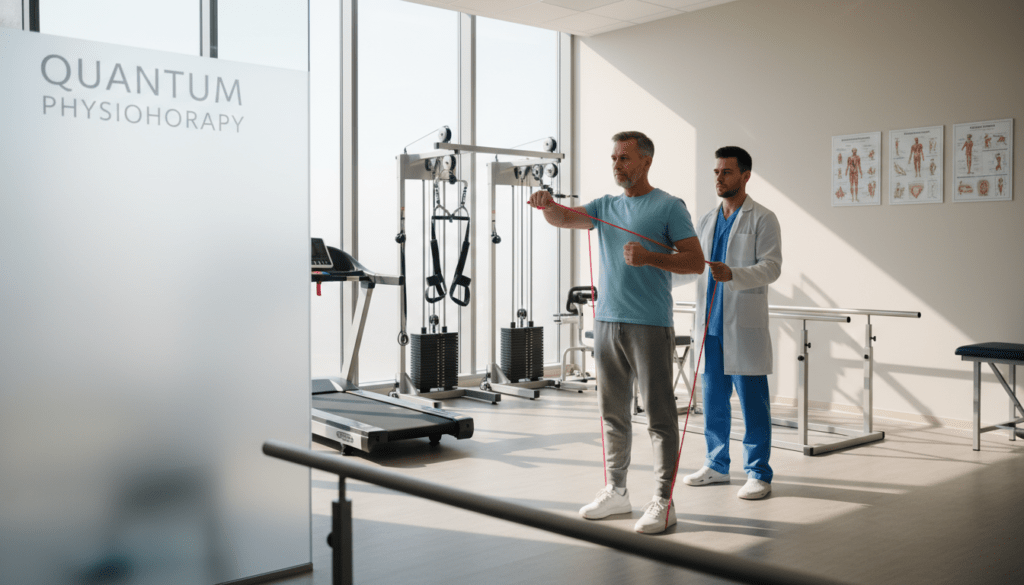
Orthopedic rehabilitation focuses on restoring function, improving movement and lowering pain through progressive physical therapy and education. It combines exercise, manual techniques and modalities to aid tissue healing and better long‑term quality of life.
When you might need it
- Persistent pain after an injury or delayed recovery after surgery
- Reduced range of motion, weakness or instability
- Difficulty with stairs, squatting, gripping or daily tasks
Common clinic presentations and care
Across India, patients present with fractures that cause stiffness, arthritis-related joint pain, tendon or ligament overload from sport or physical work, and spinal problems such as herniated discs or chronic back pain.
Post-surgery support after joint replacement — including knee and shoulder procedures — centres on swelling control, safe walking, range‑of‑motion targets and stepwise strengthening under therapist guidance.
For sports injuries and ligament tears, care rebuilds stability with strength and proprioception training and uses criteria-based progressions to reduce future injuries. Spinal care emphasises posture, core stability and graded activity to restore movement confidence.
Start with the right assessment and a personalised rehabilitation plan
A clear assessment sets the stage for a safe, personalised recovery plan that fits your daily life.
Initial assessment and movement screening
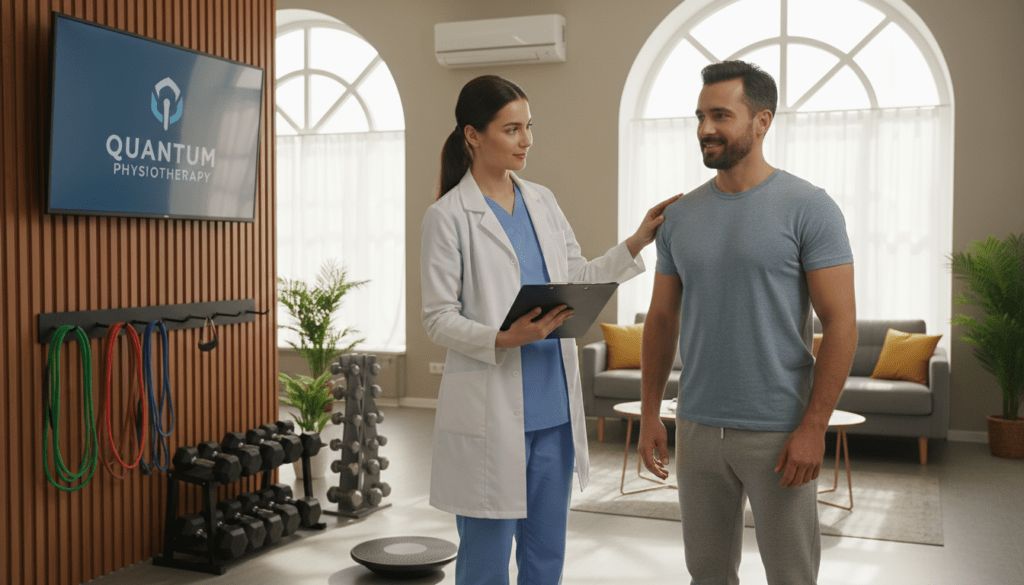
Physical therapists will take a focused history: injury mechanism, surgery date, medications, swelling patterns, sleep effects and which movements trigger pain.
They then observe gait, squatting, reaching, balance, joint range and muscle control to spot functional limits.
Setting realistic goals
Goals match your needs and activities — for example, desk work, heavy manual tasks, parenting duties or returning to sport.
Clear, short-term targets keep patients motivated and make progress measurable.
Building the plan and home programme
The plan blends targeted exercises for range of motion, flexibility and strength, manual therapy when needed, symptom-relief modalities and education for self-management.
A compact home exercise programme uses a few high-value movements, clear dosage and simple progression rules that fit busy schedules.
Progress reviews and team role
Regular reviews check pain triggers, swelling and movement quality, then adjust load and complexity as healing allows.
Physical therapists lead daily therapy and coordinate with surgeons or other clinicians when red flags or postoperative restrictions arise.
Core techniques used in orthopedic rehabilitation to rebuild strength and function
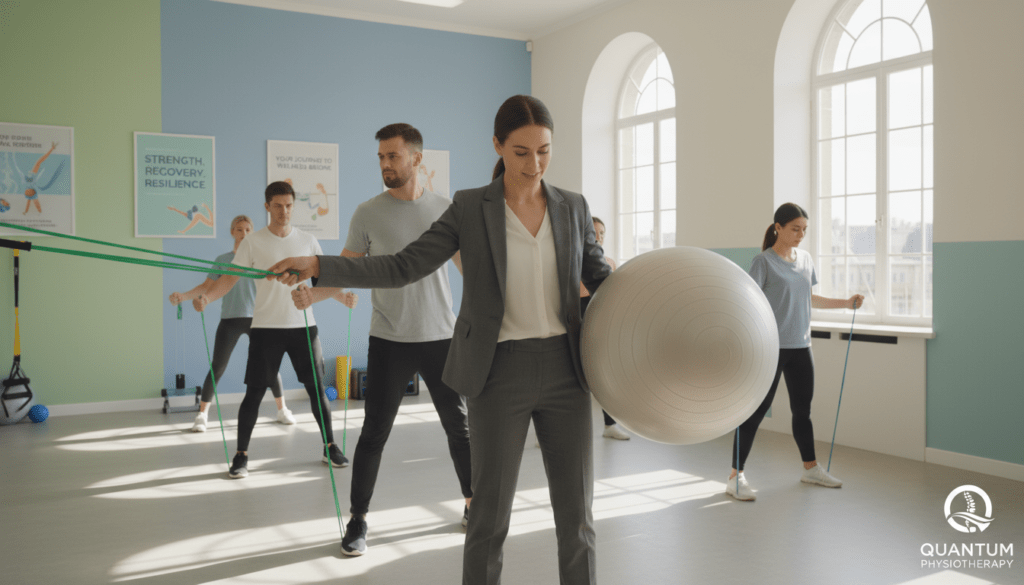
Practical, stepwise techniques restore joint control, muscle strength and walking confidence. These methods combine exercises, hands-on care and functional training so people regain everyday ability with safety.
Therapeutic exercises and progression
Therapeutic exercises address range motion after immobilisation, stretching for flexibility and progressive strengthening to rebuild load tolerance around joints.
Start with low-load, controlled movement. Gradually add resistance, speed and task complexity as pain and swelling settle.
Balance, proprioception and coordination
Balance and proprioception drills restore joint sense after ligament injury or long rest. Improved coordination lowers fall risk and reduces re-injury.
Manual therapy and soft tissue work
Manual therapy includes joint mobilisation to increase motion, soft tissue mobilisation to ease muscle tension, and trigger point techniques for local pain.
Gait and functional retraining
Therapists analyse walking patterns, correct compensations and practise stairs, sit-to-stand and workplace tasks to rebuild confidence.
Assistive devices and orthotics
Crutches, canes or braces protect healing areas and manage weight-bearing. Proper fitting and training reduce strain and aid safe progress.
| Technique | Primary benefit | Typical stage |
|---|---|---|
| Range of motion & stretching | Reduce stiffness, restore flexibility | Early to mid |
| Progressive strengthening | Increase muscle support and load tolerance | Mid to late |
| Balance & proprioception | Improve stability and coordination | Mid |
| Manual therapy | Improve joint mobility and tissue quality | Early to mid |
| Gait training & assistive devices | Restore safe walking and daily function | Early to late (as needed) |
Pain management and safe activity progression during rehabilitation
Managing pain while you move is central to steady recovery and safer progression of activity. Good pain management keeps symptoms controlled so you can perform targeted exercises and gradually load tissues rather than resting completely.
Heat and cold therapy for short-term relief
Cold therapy is best for swelling and post-activity flares. Apply cold packs for 10–15 minutes after strenuous use to numb pain and reduce inflammation.
Heat therapy relaxes muscles and increases blood flow, helping stiffness and muscle guarding. Use heat briefly before mobility work, not immediately after a fresh injury.
Electrotherapy and ultrasound in practical terms
Clinics may use ultrasound to promote tissue healing and ease pain through sound-wave stimulation. Electrical stimulation or TENS can reduce pain signals and help re-educate weak muscles.
These modalities are supportive tools used alongside exercise and manual techniques, not as sole treatment.
Activity modification and safe progression
Increase one variable at a time: duration, intensity, load or range. Use next‑day symptoms as feedback—mild soreness is acceptable; sharp worsening is a cue to reduce load.
- Change stair strategy (step-to rather than long step) or avoid deep squats for a while.
- Lift with hips and knees, pace household chores, and simplify sports drills before returning fully.
Staying active within limits reduces risk of deconditioning, supports circulation and lowers fear of movement. Remember: long-term recovery is driven by targeted exercises, education and consistent practice; modalities only help you participate more comfortably.
Your recovery timeline: what to do at each stage after injury or surgery
Recovery follows predictable phases; knowing each stage helps you take the right steps at the right time. Exact timing varies with the type of injury, the chosen surgery and individual healing, so always follow clinical advice and set realistic goals.
Initial healing
Protect the area, manage swelling and control pain in the first days to weeks. Use ice, elevation and short periods of rest when advised.
Therapists teach safe positions and basic movements and warn about red-flag signs that need prompt review.
Early mobility
Begin gentle range-of-motion work early within clinical limits. This prevents stiffness, improves circulation and prepares joints for later strengthening.
Assistive devices, if prescribed, help protect healing tissues while allowing safe movement.
Strength training
Progressive resistance rebuilds muscle support around the joint. Start with low load and increase intensity as swelling and pain settle.
Strength work improves stability and restores function for daily tasks and work demands.
Functional restoration
Return to routine activities using criteria-based progression: good gait quality, balance, coordination and tolerance to repeated tasks such as stairs or lifting.
Therapists check movement quality and set staged targets for work or sports re-entry to reduce the risk of future injuries.
Prehabilitation before planned surgeries
If surgery is planned, improve baseline mobility, cardiovascular fitness and strength first. Prehab shortens recovery after joint replacement or knee surgery and lowers complication risk.
Simple, targeted exercises and education on pacing help you leave for surgery in a stronger position to recover well.
Staying strong for the long run: preventing future injuries and maintaining results
A practical maintenance plan keeps muscles strong and joints mobile so gains do not fade after discharge.
Keep a simple weekly routine of targeted exercises for strength, mobility and flexibility. Track pain, swelling and sleep to spot flare-ups early and reduce load for a few days rather than stop entirely.
Build capacity gradually, prioritise movement quality and add balance drills to lower future injuries. Periodic reviews with therapists refine technique and protect function.
For patients in India, check workstation posture, footwear and lifting habits. When travel or clinic access is hard, use telehealth or wearable feedback to stay on course.
Clear goals, short sessions and understanding why each exercise matters improve adherence and long‑term recovery and health.