
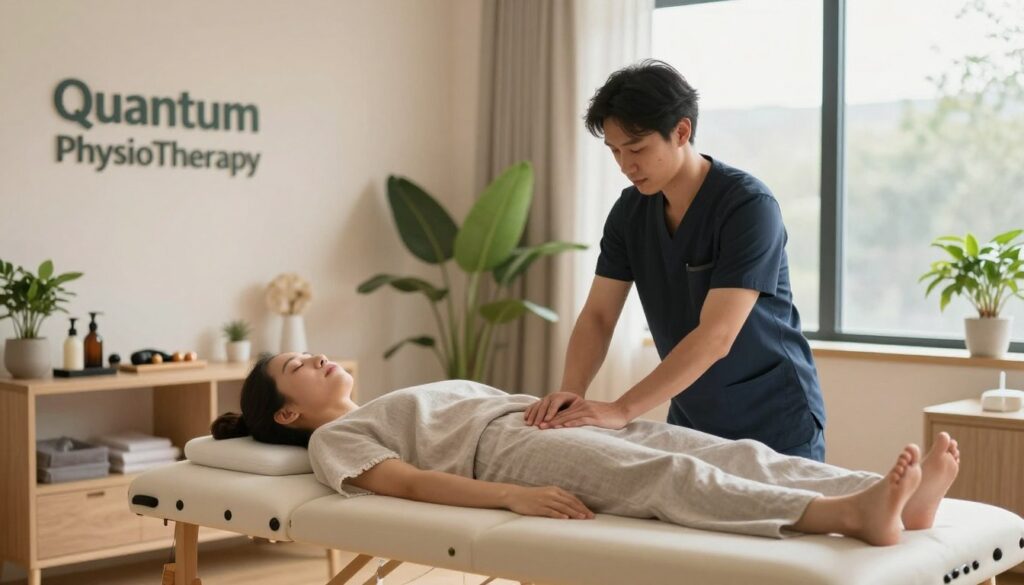
This guide gives readers in India a clear, practical view of how manual therapy fits into modern care for pain, mobility and daily function.
Manual therapy is a hands-on approach used by trained professionals to influence the nervous system, muscles and joints. It often works alongside active rehabilitation rather than as a stand-alone solution.
The guide explains what this form of treatment is, how assessment informs the right treatment, common techniques, and ways to make gains last. Typical reasons people seek help include back, neck and shoulder complaints, plus sports or work-related issues.
Success looks like improved movement quality and easier day-to-day tasks. Outcomes vary by person and condition, so safe practice depends on proper screening and technique choice.
Readers are encouraged to take an active role: share a full history, follow an exercise plan and build healthy habits to reduce recurrence and support long-term health of the body.
Key Takeaways
- Understand how manual therapy complements active rehabilitation for pain and mobility.
- Assessment guides which treatment techniques are appropriate and safe.
- Common uses include back, neck, shoulder and sports-related complaints.
- Success means better movement and improved day-to-day function.
- Outcomes vary; active participation and proper screening are essential.
What manual therapy is and why it works for pain, mobility and function
Therapists use targeted hands-on work to improve joint motion, ease pain and support daily function.
A practical definition
Hands-on assessment and treatment aims to restore maximal painless movement and improve postural balance. It is an umbrella term that includes mobilisation, manipulation and soft tissue methods. The approach chosen depends on the person’s presentation and the specific condition.
“The use of the hands in a patient’s management process using instructions and manoeuvres to achieve maximal painless movement of the musculoskeletal system and achieve postural balance.”
Why it can help
Proposed effects include neurophysiological changes, altered mechanoreceptor input, endorphin release and relaxation of hypertonic muscles. These lead to reduced protective guarding and smoother motion.
Common use-cases and symptom patterns
- Most often used for back and neck pain, shoulder restrictions and sports-related issues involving muscles, joints and soft tissue.
- Stiffness-dominant cases may need graded mobilisation to restore range.
- Pain-dominant or movement-control problems often combine gentle hands-on work with active exercise for lasting gains.
| Symptom pattern | Likely approach | Everyday outcome |
|---|---|---|
| Stiffness-dominant | Mobilisation, soft tissue methods | Increased range and smoother motion |
| Pain-dominant | Gentle manipulation or graded loading | Short-term reduce pain and calmer tissues |
| Movement-control issues | Hands-on guidance plus exercise | Improved function at work and sport |
Getting ready for manual therapy: how assessment guides the right treatment
Before hands-on work starts, clear assessment directs safe and effective care. Clinicians prioritise screening so they can choose suitable therapy techniques and avoid harm.
What your clinician checks
Physical therapists observe posture, walking and simple movements to spot restrictions or altered range.
They palpate tissues and test joint motion to identify somatic dysfunction, defined as “impaired or altered function of related components of the somatic (body framework) system: skeletal, arthrodial, and myofascial structures, and related vascular, lymphatic and neural elements.”
“Impaired or altered function of related components of the somatic (body framework) system: skeletal, arthrodial, and myofascial structures, and related vascular, lymphatic and neural elements.”
What to share in your history
Be specific: location, behaviour, irritability, movements that change symptoms, injury mechanism and timeline. Note swelling, stiffness and tension patterns.
Mention medications (anticoagulants, steroids, pain medicines) and relevant conditions or previous imaging. This matters for safe selection of treatment and bruising risk.
- Clinicians re-test which hands-on technique changes motion, pain or function immediately.
- Red-flag screening prompts referral rather than direct hands-on care when needed.
- Patients who share precise details help therapists tailor progressions and improve outcomes.
| Assessment step | Typical finding | Why it matters |
|---|---|---|
| Observation of movement | Asymmetry, guarded motion | Shows functional limits and guides which techniques to try |
| Palpation and joint tests | Local stiffness or somatic dysfunction | Identifies target tissues for treatment and immediate re-test |
| History and medication check | Recent injury, swelling, drugs | Informs safety, possible need for referral and session pacing |

manual therapy techniques used in modern practice
Clinicians use a range of hands-on options to change pain, restore motion and calm sensitive tissues.
Soft tissue work: massage, trigger point therapy and soft tissue mobilisation
Massage and trigger point work target tender spots and tone in muscles to improve glide between soft tissues. Soft tissue mobilisation focuses on breaking adhesions and restoring normal tissue movement. These techniques often reduce pain and make active rehab easier.
Myofascial release and muscle energy techniques
Myofascial release eases tight fascial bands to free restricted movement. Muscle energy uses brief patient contractions to help the clinician achieve a greater release. Both approaches pair well with active exercises to lock in gains.
Joint mobilisation vs manipulation
Mobilisation uses graded pressures and gentle oscillations to restore range. Manipulation is a quicker, higher-velocity thrust used selectively by experienced physical therapists. Choice depends on symptoms, risk and immediate response to testing.
Maitland, Mulligan, McKenzie, NAGS & SNAGS
Each named approach aims to improve joint mobility, reduce pain and restore direction-specific motion. Clinicians pick an approach to match the problem: some focus on graded movement, others on movement with patient participation.
Traction, joint distraction and manual lymphatic drainage
Traction and joint distraction can reduce pressure and reduce pain while improving motion when applied by a skilled clinician. Manual lymphatic drainage supports swelling control and healing when fluid slows recovery.
Acupressure and related hands-on methods
Acupressure may sit alongside physical therapy as a complementary option. It should complement assessment-led rehabilitation rather than replace exercises that restore long-term function.
Safety first: who should avoid certain treatments and how risks are managed
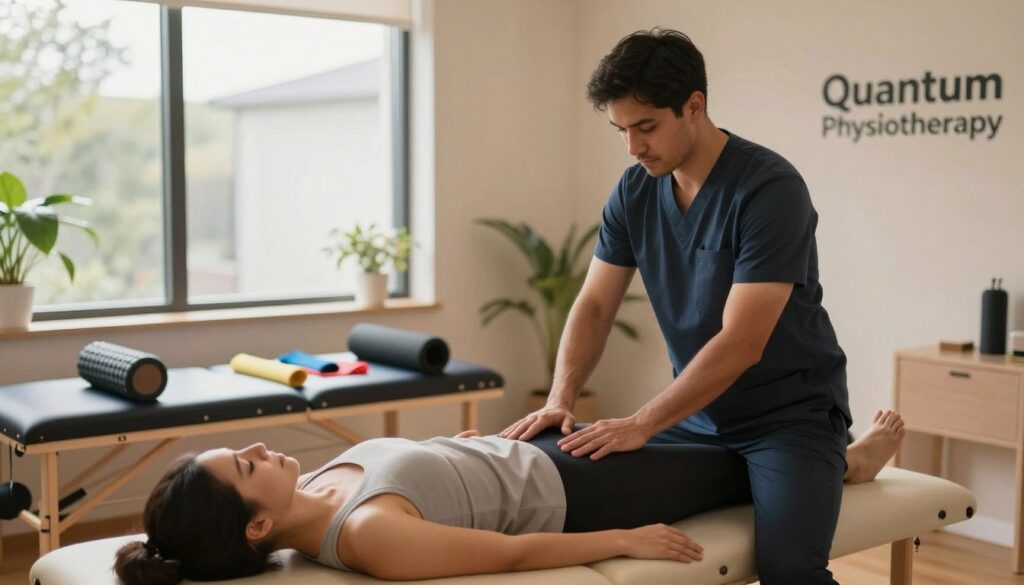
Before any hands-on approach begins, clinicians screen for factors that change how safe a treatment is. Good care starts with a full history, targeted tests and clear consent. This keeps risks low and helps match the chosen technique to the patient’s goals.
Common short-term effects include temporary increased discomfort, localised redness or mild bruising after a session. These usually settle in a few days. Seek advice if you get worsening neurological signs, severe unrelenting pain or unexpected swelling.
When massage may be unsuitable: deep venous thrombosis (risk of embolisation), acute infection, active bleeding, a new open wound, or fragile and inflamed tissue. Pregnancy and anticoagulant medication also affect bruising and pressure tolerance, so full disclosure matters.
When manipulation or high-velocity techniques are avoided: osteoporosis, acute disc herniation and ligamentous or bony instability. In these cases clinicians often choose gentler mobilisation or soft tissue options.
“Screening, informed consent and selecting the lowest-risk technique that meets the goal are core to safe care.”
Technique choice is individualised. With proper screening and trained clinicians, the overall risk profile is manageable and side effects are mostly mild and short-lived.
Making results last: combining manual therapy with exercise and healthy movement habits
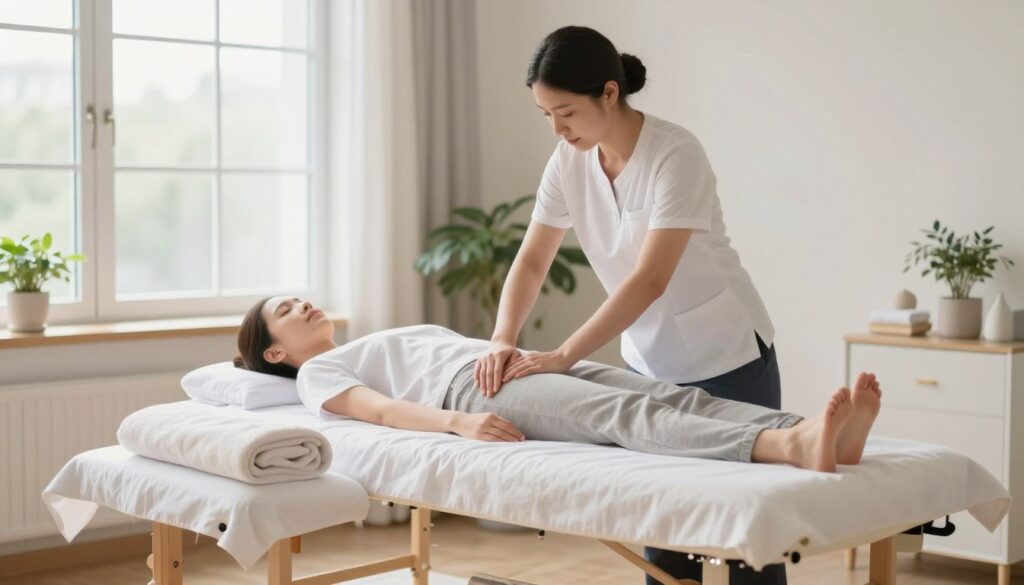
Short-term hands-on relief is a start; long-term gains depend on active work and sensible daily habits.
Why an exercise programme matters
Pair hands-on care with a progressive exercise programme that restores range, builds control and increases tissue tolerance. Exercises help patients use new motion safely and reduce reliance on passive treatment.
Home strategies for soft tissue release
Self-myofascial tools such as foam rollers can help with release and ease muscle tightness between sessions. Use gentle pressure, roll slowly and stop on tender spots for no more than 20–30 seconds to avoid excess soreness.
Spacing sessions and daily movement
Allow several days for the body to respond after a session before repeating similar treatment. Use low-intensity, frequent movement breaks to boost blood flow and maintain comfort while tissues adapt.
Tracking progress
Measure changes in range of motion, observe smoother movement quality and note daily improvements—better sleep, longer sitting tolerance, easier stairs or lifting. These wins show the treatment and exercises are working together.
Benefits compound: when pain falls, patients perform exercises more confidently. That builds resilience and reduces flare-ups, especially for back and recurrent pain patterns.
| Goal | Simple measure | When to re-check |
|---|---|---|
| Range and motion | Degrees or distance reached (e.g., forward bend depth) | Every 2–4 weeks |
| Movement quality | Smoother, less guarded movement during tasks | After 3–6 exercise sessions |
| Function | Daily tasks eased: sitting, stairs, lifting | Monthly review or when symptoms change |
What a typical treatment plan looks like for patients in India
In clinical practice across India, sessions are structured to assess, treat, re-test and build capacity with guided exercise. This practical flow helps clinicians choose suitable hands-on approaches and measure immediate responses.
Session flow
Each visit commonly follows a clear order.
- Assessment: history, observation and targeted tests to find the region causing pain or loss of motion.
- Selection of hands-on techniques such as massage, mobilisation or gentle manipulation, chosen to match the presentation.
- Immediate re-test of motion and pressure sensitivity to check which approach reduced pain or improved range.
- Corrective exercises taught and graded for home practice to lock in gains.
When combined with other modalities
Hands-on care often pairs with electrotherapy for symptom modulation, plus rehabilitation and guided exercise for strength and control.
For conditions such as back pain from prolonged sitting, shoulder pain from overhead work, or sports injuries from running, cricket, football and gym training, combining approaches speeds return to activity.
Setting expectations and how plans evolve
Frequency and duration vary by irritability, chronicity, fitness and how well the patient does home work.
Early sessions focus on pain relief and restoring motion. Later visits prioritise capacity, return to sport or work, and prevention of recurrence.
| Stage | Focus | Typical timing |
|---|---|---|
| Initial | Pain control, safe motion | 1–3 sessions over 1–2 weeks |
| Progression | Load tolerance, strength, mobility | 2–8 weeks depending on condition |
| Maintenance | Function, prevention | Monthly checks or as needed |
Shared decision-making matters: patients should know the aim of each session and the criteria used to reduce visit frequency as function improves.
Move better for longer: choosing the right therapist and next steps for sustainable relief
Move better for longer: choosing the right therapist and next steps for sustainable relief
Find a clinician who explains tests, risks and progress; that clarity helps patients regain safe mobility and reduce recurring pain.
Choose therapists with recognised qualifications, a clear assessment process and an evidence‑informed plan that links hands‑on work with active rehab.
Good practice means goal‑based treatment, informed consent, appropriate screening and a clear move from hands‑on care to self‑management.
Ask which techniques are planned — mobilisation, manipulation or massage — and why they suit your back or joint issue. Check how the plan protects tissues while restoring range and function.
Practical next steps: book an assessment, note your symptom history, list medications and set personal goals for work, sport or daily tasks.
The right mix of manual care, targeted exercise and steady habits helps the body move better for longer and lowers the chance of future flare‑ups.