
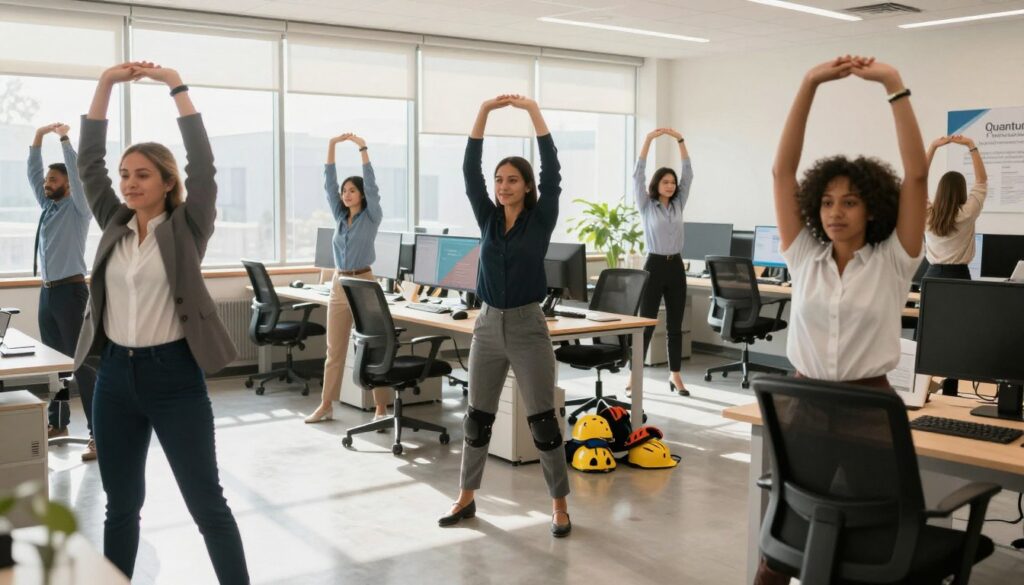
This short guide defines practical actions that cut incidents at work sites across India. It focuses on routine tasks, manual handling and roles with a lot of movement. The aim is clear: reduce day-to-day harm and keep teams productive.
Readers will find step-by-step habits that lower risk, boost safety and support long-term health without needing special facilities. The guide shows how simple changes at the workstation can matter.
We explain how prevention differs from treatment: the goal is to stop problems before they affect attendance, output or quality of life. The advice suits workers, supervisors, EHS leads, HR and operations across offices, warehouses, factories, clinics and field sites.
Looking ahead, expect practical themes: spotting risk, warm-ups, sound movement, strength work, hydration, correct gear, swift first aid and when to seek help. Small, steady changes build teams that cope better as work grows faster and more demanding.
Key Takeaways
- Practical steps reduce incidents during routine tasks and manual handling.
- Simple daily habits improve safety and long‑term health without extra facilities.
- Prevention stops issues before they harm attendance or productivity.
- Guidance is relevant for workers and managers across diverse Indian worksites.
- Future-ready choices — movement, recovery and gear — build resilience.
Why injury prevention matters in today’s workplaces in India
Everyday movement — from walking across a yard to carrying boxes — can create hidden hazards. This matters in India’s fast-paced sites where long shifts, tight schedules and varied tasks raise the baseline risk for workers.
How injuries occur during everyday physical activity at work and outside it
Many incidents start with simple actions: hurried lifting, uneven surfaces, repetitive reaching and fatigue after long shifts. Off-the-job sports, heavy commuting or weekend exertion can leave muscles tired and more vulnerable the next day.
What sports medicine data teaches us about reducing risk
Sports medicine shows the same patterns repeat: incorrect form, rapid load increases and inadequate recovery drive most sports injuries. The GPOA notes that lack of protective gear and overtraining are common factors. The Cleveland Clinic adds that good training and technique lower risk while keeping movement beneficial.
“Good training and technique can help prevent injuries; accidents can still happen; benefits of an active lifestyle generally outweigh risks.”
Building a safety-first culture that supports health, recovery, and performance
Leaders embed safer habits by running toolbox talks, coaching correct form and allowing time for warm-ups and micro-breaks. This normalises early reporting of pain and supports recovery instead of a “push through” norm.
- Report discomfort early to reduce long-term absence.
- Allow short breaks and warm-ups before heavy tasks.
- Supervisors coach technique during routine work.
| Action | Benefit | Result for business |
|---|---|---|
| Toolbox talks & supervisor coaching | Better technique and awareness | Fewer short-term absences, steadier staffing |
| Micro-breaks and warm-up time | Improved recovery and lower fatigue | Higher morale and consistent output |
| Encouraging reports of pain | Early care and timely adjustments | Reduced disruption and long-term costs |
Assess risk before you start: spotting hazards, tasks, and high-risk activities
Quick checks before work help teams spot what raises risk and decide simple fixes. A three-minute review can cut chances of sprains and overuse issues during busy shifts.
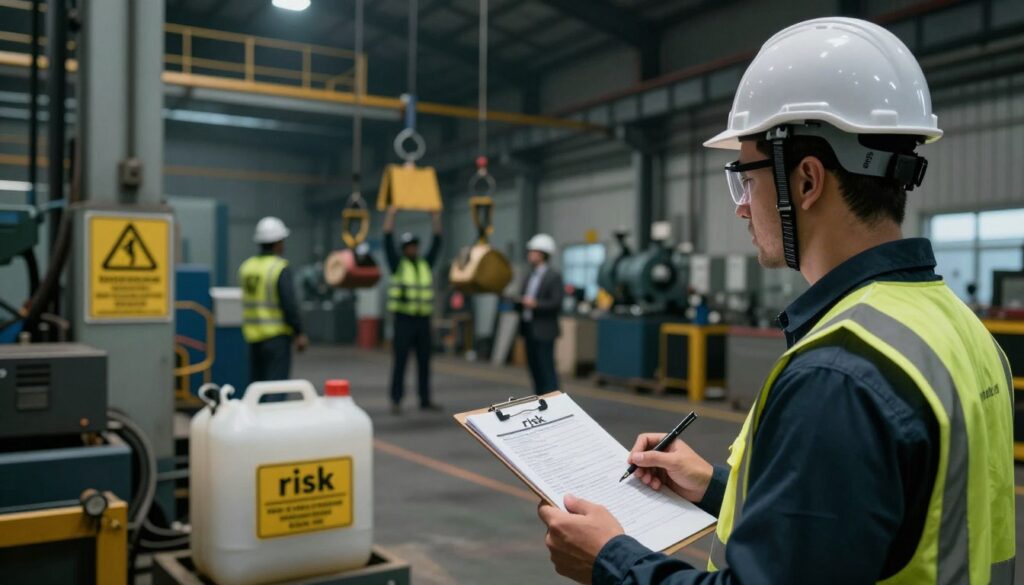
Common risk factors
Use a pre-task checklist that notes task duration, load weight, repetition, time pressure and environment. Mark cramped storage, poor workstation setup, long standing, and peak dispatch pace as higher concern.
Where the body often takes the strain
Focus self-monitoring on the shoulder, back, wrists, knees and ankles. These areas show early signs when loads or repetitive actions rise.
Track early warning signs and near-misses
Watch for pain, stiffness, tingling or reduced range of motion and changes in technique from fatigue. Log near-misses — slips, awkward lifts, or sudden catches — to spot patterns.
- Weekly discomfort scale (0–10) for key areas.
- Near-miss log with task, time and brief note.
- Quick supervisor check-ins to review trends.
| High-risk activity | Likely outcome | Small adjustment to reduce risk |
|---|---|---|
| Frequent lifting from floor | Back and knee strains | Raise staging height; shorten carries |
| Long standing on hard floor | Foot and knee pain | Use anti-fatigue mats; rotate tasks |
| Repetitive wrist work | Overuse of wrists and forearm muscles | Introduce short pauses; vary movement |
Simple controls — adjust heights, rotate tasks and schedule short recovery pauses — offer practical prevention that helps reduce risk on the job.
Injury prevention techniques you can apply every day
Start each shift with a short routine that wakes up joints and readies muscles for the day.
Daily 8–10 minute routine: 2–3 minutes brisk walking in place, 3–4 minutes of joint mobility (neck rolls, shoulder circles, ankle rolls) and 3 minutes of light activation (bodyweight hip hinges, controlled lunges).
Warm up and cool down guidance
Warm up with dynamic stretches that mirror work: arm circles, hip hinges and controlled lunges. These prepare muscle groups used in lifting, carrying and repetitive activities.
After exertion, use static stretches. Hold each for 20–30 seconds to improve flexibility and ease tightness in the shoulders, hips and calves.
Build flexibility, strength and endurance
Simple strength work — squats, rows and plank holds — improves load tolerance for the trunk, hips and knees. Better strength and endurance lower the chance of sore muscles and sudden strain.
Technique and joint care
Keep loads close, avoid twisting under load and maintain a neutral spine. Use smooth, steady pacing rather than jerky movements to reduce stress on the body.
Wear supportive footwear, increase workload gradually and use “stop-and-check” moments if pain or movement quality worsens. These small habits protect shoulders, knees and other joints.
| Action | Why it helps | Quick tip for teams |
|---|---|---|
| 8–10 minute warm-up | Prepares muscles and joints for activity | Shift lead runs a 5-minute demo before start |
| Dynamic stretches before work | Improves range of motion and readiness | Choose 3 moves that mimic tasks |
| Static stretches after work | Reduces tightness and supports flexibility | Hold each stretch 20–30 seconds |
| Basic strength exercises | Increases joint load tolerance | Two short sessions per week |
Strength and conditioning at work: smarter training to prevent injuries
A work-focused conditioning plan helps workers handle repetitive loads without overloading hips, knees or shoulders.
What this means: strength and conditioning here is a protective programme, not bodybuilding. It trains key muscles so repeated tasks become safer and more sustainable for long shifts and tight schedules.
Strength training that supports knees, hips, core, and shoulders
Use simple, space-friendly exercises: squats-to-chair, hip hinges, band rows and short carries with light loads. These moves build the trunk and limb strength that supports joints used most at work.
Progress gradually to avoid overuse
Follow the AOSSM advice: aim for strength sessions 2–3 times per week. Start with 20–30 minutes of moderate activity and increase volume or load in small steps to avoid spikes that raise the risk of overuse.
Common overuse problems to watch for
Stress fractures: repeated high load on bones from sudden volume increases.
Achilles tendinitis: persistent heel pain from tight calves or abrupt training jumps.
Shin splints & plantar fasciitis: linked to repetitive impact and poor recovery.
Rest days and recovery routines
Schedule regular rest days, vary demanding tasks across the week and add gentle mobility on off days. Prioritise sleep and hydration to speed recovery.
Return-to-work tip: after a minor problem, rebuild gradually, track symptoms and avoid returning to peak loads too soon. Consistent training, correct form and rest are the core sports medicine principles that keep teams healthy and productive.
| Focus | Example | Practical tip |
|---|---|---|
| Knees & hips | Squats-to-chair, hip hinges | 2–3 sets of 8–12 reps, twice weekly |
| Core & shoulders | Band rows, carries, plank holds | Short circuits in a 15–20 minute slot |
| Recovery | Mobility, rest days, sleep | Rotate tasks; one full rest day per week |
Hydration and proper nutrition to help prevent injury
Drinking and eating the right amounts supports steady energy, joint function and muscle repair.
Hydration timing and amounts for work and exercise
Follow ACSM guidance adapted for heat, PPE and long shifts: drink 17–20 oz (500–600 ml) 2–3 hours before work. During exertion aim for about 7–10 oz (200–300 ml) every 10–20 minutes. After a shift, replace fluid loss: ~16–24 oz (500–700 ml) per pound (0.45 kg) lost.
Why this matters: proper hydration keeps joints lubricated, core temperature stable and muscles functioning. Dehydration raises the risk of cramps, dizziness and fatigue that can lead to slips, awkward lifts and technique breakdown.
Eating for muscle and bone health
Focus on balanced meals to help prevent strains and bone stress. Include adequate protein for muscle repair, and calcium plus vitamin D for bone strength.
- Protein sources: eggs, pulses, dairy/curd and nuts.
- Bone-supporting foods: leafy greens, millets and fortified dairy.
- Energy: include whole grains and fruits to avoid fatigue-driven mistakes.
| Goal | Practical tip | India-friendly examples |
|---|---|---|
| Muscle repair | Include 20–30 g protein per main meal | Eggs, dal, curd, roasted chana |
| Bone health | Daily calcium + vitamin D sources | Milk/curd, greens, fortified millets |
| Recovery | Refuel within 30–60 minutes after exertion | Buttermilk, fruit and a handful of nuts |
When to seek healthcare: contact occupational health or a clinician for recurring cramps, dizziness, marked fatigue or signs that do not settle with rest and fluids. Tailored care can adjust hydration plans, rule out medical causes and speed recovery.
Use the right gear and equipment to reduce risk on the job
Choosing the right kit for the task keeps workers safer and makes daily work easier. Select gear and equipment that match the main hazards: impact, cuts, crush, heat, chemicals or repetitive load.
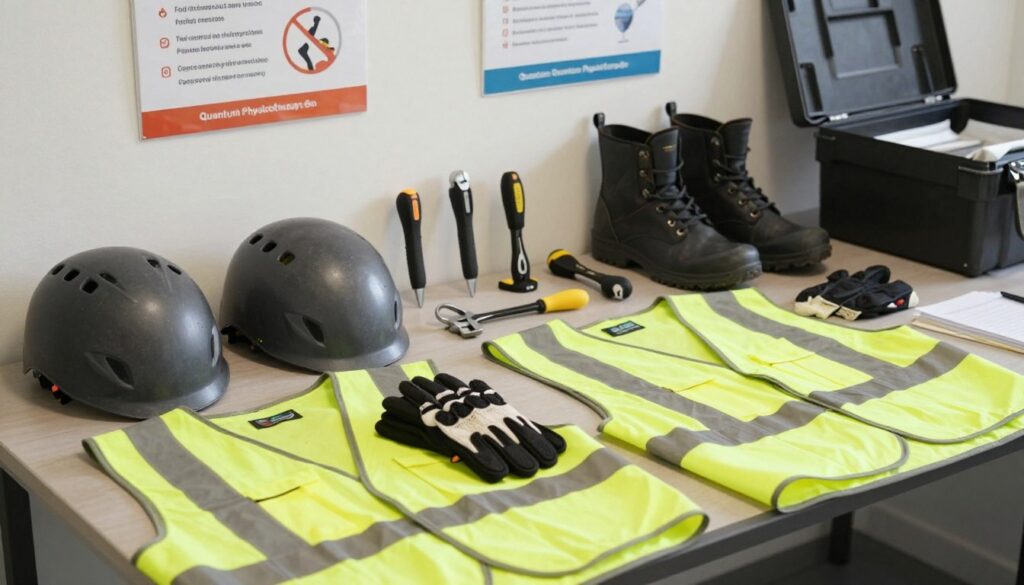
Choosing protective gear that fits and suits the task
Make sure PPE fits correctly. A snug helmet, well‑sized shoulder protection and gloves that allow dexterity both protect and let people work effectively.
Fit matters: poor fit can create new risk points and reduce compliance. Check comfort for a full shift before approving any kit.
Supportive footwear and safer surfaces
Footwear is often overlooked but vital. For long standing or wet floors, choose shoes with good grip, arch support and correct sizing.
- Grip: non‑slip soles for wet or oily areas.
- Support: adequate arch and heel cushioning to reduce joint strain.
- Replace every 6–12 months or when tread wears thin.
Combine footwear with surface controls: regular housekeeping, anti‑slip mats and rapid spill response to reduce risk during movement‑heavy work.
When braces, straps and guards can help
Braces and straps can give temporary support during high‑impact or repetitive tasks. They are a useful adjunct to training, not a substitute for strength or correct form.
Use them for short periods while workloads are high, and review their use in return‑to‑work plans.
| Need | Recommended gear | Practical tip |
|---|---|---|
| Head/impact | Snug helmet with chin strap | Fit check at start of shift |
| Hands/cuts | Cut‑resistant gloves sized to hand | Swap when wet or damaged |
| Footwear/support | Non‑slip, supportive work shoes | Footwear audit and replacement schedule |
| Joint support | Light braces/straps for short use | Combine with strength work and supervision |
Implementation tips: run PPE audits, host sizing days, train staff on correct wear and create a clear escalation path for damaged or ill‑fitting kit. Just as sports gear reduces common sports injuries when it fits and matches activity, task‑specific workplace equipment helps lower predictable risks and keeps teams working well.
Safer movement and technique: lifting, carrying, pushing, and pulling without pain
A simple, coached way of moving at work reduces stress on the spine and major muscle groups. Good body mechanics protect the body and help teams stay productive with less pain.
Body mechanics basics to protect muscles, joints, and the spine
Key points: adopt a stable stance, hinge at the hips, keep a neutral spine and engage the core. Hold loads close and avoid twisting through the torso.
When lifting, plan the move, test the weight and get help for awkward items. Coach this step-by-step way of working so supervisors can give quick, on-the-spot feedback.
Setting a safe “place” for movement
Keep clear paths, good lighting and organised storage so people do not rush, reach or carry through clutter. Mark walkways and create short staging areas to shorten carries.
| Action | Benefit | Quick tip |
|---|---|---|
| Store frequent items between knee‑and‑chest height | Less bending and reaching | Reduces shoulder and back strain |
| Push rather than pull when possible | Better use of body weight | Align shoulders and hips to protect the back |
| Plan lifts when fatigued | Lower chance of mistakes | Use micro‑pauses or team lifts |
Why it matters: consistent technique is a core method to reduce risk. It lowers stress on muscles, joints and the spine during routine activities and helps avoid common worksite injuries.
Act fast when an injury happens: first aid and when to seek medical care
When someone is hurt at work, quick, organised care keeps small problems from becoming long absences. Below is a clear, workplace-friendly sequence for the first 72 hours and plain guidance on when to seek medical help.
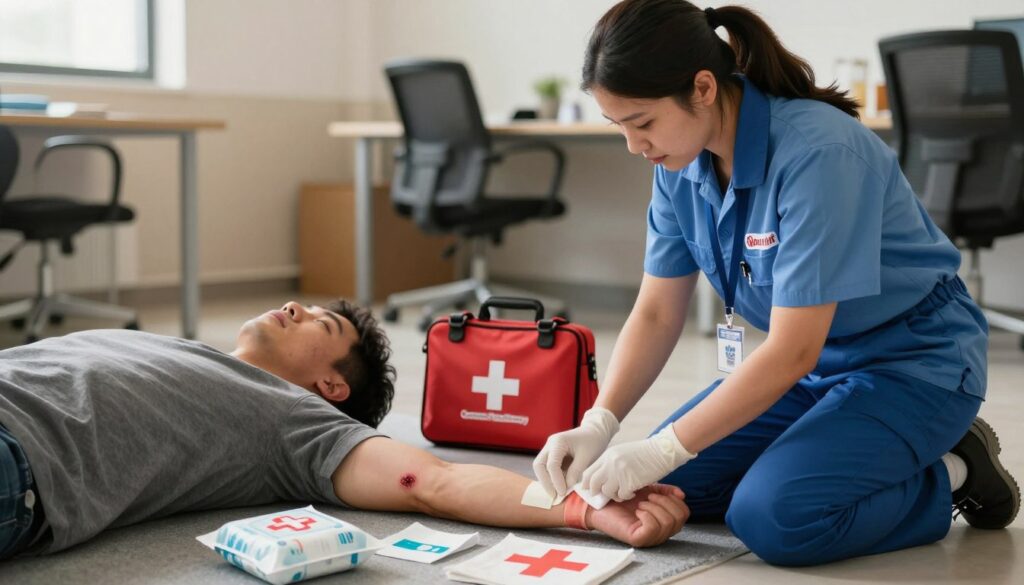
Immediate care for the first 72 hours
Rest: Support the affected area and avoid using it for tasks that strain it.
Ice: Apply cold for a total of 20 minutes, using 5–6 minutes per point with short breaks between applications.
Compression: Use an elastic bandage to reduce swelling, but not so tight that circulation is impaired.
Elevation: Keep the limb raised above heart level where practical to limit swelling.
Do not use heat, massage or stretching in the first 72 hours — these can increase swelling or delay healing.
Red flags — when to seek medical attention urgently
- Visible deformity or inability to move a limb.
- Uncontrolled bleeding or deep wounds.
- Severe shortness of breath, chest pain, fainting or dizziness.
- Signs of infection: spreading redness, warmth, swelling or pus.
Persistent symptoms and why early assessment matters
If pain or loss of function does not improve after a few days of proper care, seek medical assessment rather than waiting it out. Early clinical review can identify fractures, nerve issues or soft-tissue damage that need targeted treatment.
| Action | Why it helps | Workplace tip |
|---|---|---|
| Report and document | Creates a clear record for healthcare follow-up and legal needs | Complete a short form with task, time and witness details |
| Secure the scene | Prevents repeat incidents and protects others | Mark hazards, pause the task and remove risks |
| Refer to occupational healthcare | Specialist input speeds safe return to work | Use workplace clinic or an approved provider for assessment |
Why early care helps: timely assessment and referral to physical therapy or sports medicine pathways give tailored rehab, graded activity and technique correction. This lowers the chance of compensatory movement, repeated strain and longer recovery periods.
Safety tip: Feed lessons from each event back into controls — change layouts, rotate tasks or update PPE — so the whole team benefits and similar incidents are less likely to recur.
Keep it going: practical safety tips for a future-ready, injury-resistant workplace
Make safety part of the shift with short huddles, clear roles and measurable checks.
Build a sustainable system that links warm‑ups, technique coaching, hydration access, strength‑friendly routines and clear escalation routes for when injuries occur.
Practical tips for India: run brief daily huddles, use multilingual signage, train supervisors to coach movement and schedule short refresher sessions so safe habits stick.
Keep momentum with simple metrics — near‑miss reports, weekly discomfort surveys, task‑rotation checks and repeat‑case tracking by task and body region.
Embed future‑ready practice using micro‑training blocks, digital checklists and role‑based training. Partner with local clinics for physical therapy and sports medicine assessment for recurring shoulder, back or knee issues.
Leadership action: allocate time for recovery, reward safe reporting and refine controls to reduce risk without slowing work.