A Holistic Approach to Recovery: Heal Body, Mind & Spirit

holistic approach to recovery.

This guide explains an integrated way of treating addiction that honours the whole person — body, mind, emotions and spirit. It moves beyond stopping substance use and focuses on long-term health and overall well-being.

The programme model blends evidence-based treatment such as CBT, group therapy and relapse prevention with complementary options like mindfulness, yoga, nutrition advice and creative therapies. That mix helps people uncover why they used substances and build new day-to-day habits.

For readers in India, common barriers include fear of judgement and uncertainty about when to seek help. An integrated plan can feel supportive and practical, and it is best delivered under professional oversight.

Outcomes aim at better health, stronger relationships and a sustainable change in life, not just short-term abstinence. Coming sections will cover the model, core therapies, the recovery process and how to build a personalised plan.

Key Takeaways

  • An integrated model treats the whole person, not only symptoms.
  • Evidence-based treatment should be combined with complementary therapies.
  • Addressing trauma, mood and lifestyle reduces relapse risk.
  • Programmes can be adapted for Indian cultural and social realities.
  • Professional oversight ensures safety and better outcomes.

Understanding holistic recovery for addiction: treating the whole person

Effective addiction care blends clinical therapies with lifestyle and creative supports so a person heals across sleep, mood and relationships. This style of treatment looks beyond symptoms and treats physical, psychological, emotional, social and spiritual aspects together.

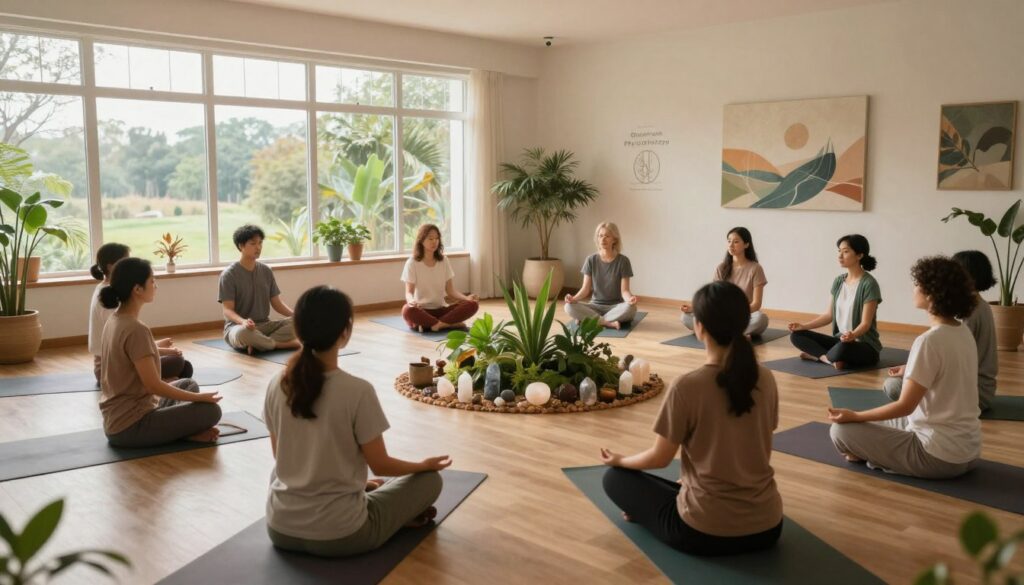
A serene holistic therapy setting, with a tranquil indoor space featuring soft, natural lighting. In the foreground, a diverse group of individuals in professional business attire engage in mindfulness activities, such as meditation and yoga, symbolizing the healing of body, mind, and spirit. The middle ground showcases a large window with lush greenery outside, enhancing the feeling of connection to nature. Incorporate gentle earth tones, soothing textures, and organic materials in the furnishings. In the background, a sign reads "Quantum Physiotherapy," subtly presented. The atmosphere conveys peace, safety, and rejuvenation, inviting viewers to connect with holistic recovery. Use a wide-angle lens to capture the entirety of this calming environment.

What “holistic treatment” means in modern addiction recovery

Holistic treatment is a coordinated plan that pairs evidence-based work—CBT, group therapy and relapse prevention—with complementary methods such as mindfulness, yoga, nutrition and creative therapies. These elements do not replace clinical care; they support it.

Why recovery must address body, mind, emotions and spirit

Symptom-only programmes can fail because cravings, stress and untreated mood disorders remain. If sleep, diet and relationships are ignored, the risk of returning to substance abuse stays high.

How underlying causes shape substance use

Many people use substances to cope with trauma, depression or anxiety. A whole person lens makes links clear: poor sleep harms mood regulation, bad nutrition increases anxiety and strained relationships raise relapse risk.

  • Assessment and personalisation matter: clinicians should map history, current mental health and goals before planning treatment.
  • Expect a mix of talking therapies plus yoga, meditation, nutrition support and creative methods in modern programmes.

“Recovery treats mind, body, emotions and spirit rather than symptoms alone.”

— Dr Mohammed Saeed, MD

Why a holistic approach to recovery. supports lasting change

True long-term progress follows when therapy teaches people how to manage stress, cravings and everyday responsibilities.

A serene and contemplative scene depicting relapse prevention triggers in a holistic recovery context. In the foreground, a diverse group of three individuals, dressed in professional business attire, engage in a supportive discussion around a small table, featuring tools like stress balls and mindfulness journals. In the middle ground, a calming nature scene unfolds with lush greenery and soft, flowing water, symbolizing peace and healing. The background showcases a tranquil, sunlit therapy room with plants and inspirational quotes on the walls, creating an inviting atmosphere. Use soft natural lighting to evoke warmth and safety, with a slightly blurred focus on the surroundings to emphasize the central theme of connection and support. The overall mood is uplifting and encouraging, embodying the essence of "Quantum Physiotherapy" and its commitment to holistic recovery.

Relapse prevention begins with clear trigger awareness. Clinicians map personal cues—people, places or feelings—that raise risk. Patients then learn craving-management tools and create healthier outlets, such as movement, creative work or structured routines.

Relapse prevention through trigger awareness, craving management and healthier outlets

Identifying triggers reduces surprise and shame. Practical techniques like urge surfing, delay strategies and replacement activities lower relapse risk.

Stress reduction skills that reduce the pull towards substance abuse

Stress fuels cravings. Teaching relaxation routines, breathwork, regular exercise and nutrition helps reduce stress and the urge to use substances.

Rebuilding life skills for day-to-day stability

Stability comes from skills: time management, organisation, conflict handling and basic financial planning. These reduce chaos that often triggers substance use.

Improving physical health to support overall well-being

Better sleep, steady meals, hydration and gentle fitness raise energy and mood. Strong physical health boosts resilience during treatment.

Strengthening relationships with family therapy, group counselling and peer support

Repairing trust and building social support are clinical priorities. Family therapy, group counselling and peer groups reduce isolation and provide real-life accountability.

Restoring confidence, hope and a balanced outlook

Learning emotional regulation helps a person recognise feelings and respond without using substances. New skills build self-esteem and hope, which reinforce lasting change.

“Improved health supports mood; improved mood supports relationships; stronger support lowers relapse risk.”

  • Mutual benefits: health, skills and support feed each other and create a sustainable lifestyle.

Core therapies in holistic addiction treatment programmes

Evidence-led treatments form the backbone of most programmes. They give a structured start for detox, clinical assessment and ongoing therapy.

A serene and inviting therapy room featuring elements of holistic addiction treatment. In the foreground, a comfortable therapy chair is adorned with soft pillows, while a small table holds calming items like crystals and essential oils. In the middle ground, a large window lets in warm, natural light, illuminating a collection of plants that enhance the atmosphere of healing. An artful wall displays soothing images symbolizing recovery and balance. In the background, a gentle blue sky is visible. The mood is peaceful and nurturing, evoking a sense of calm and hope. The scene should convey a professional and supportive environment, with no people in the image. Include a subtle logo for "Quantum Physiotherapy" in a tasteful way, blending seamlessly into the background.

Evidence-based foundations

Clinicians usually begin with individual therapy, group therapy, CBT and relapse prevention education. Many centres also offer twelve-step support as part of aftercare.

Mindfulness and meditation

Mindfulness and meditation teach people how to notice intrusive thoughts and ride out cravings without acting on them. These practices reduce reactivity and aid daily self-management.

Yoga and breathwork

Yoga and controlled breathing calm the nervous system and lower anxiety. Regular practice improves breath control, emotional regulation and body awareness.

Fitness and movement-based therapies

Walking, gym work, dance and organised sports release natural endorphins. Movement builds resilience and supports mental health during the treatment process.

Nutrition therapy

Dietary counselling repairs the body after substance use and restores energy. Many programmes advise steady meals and caution around high sugar intake early in detox.

Creative therapies

Art, music and dance offer safe ways to express emotions that were numbed by substances. These methods help people process feelings and rebuild self-expression.

Complementary options and nature-based routines

Some centres add massage, acupuncture or acupressure for stress relief. Time outdoors, structured downtime and sleep routines (many aim for around eight hours) also support restoration.

“Good programmes map clinical care first, then personalise additional therapies based on assessment.”

Personalisation matters: the right mix depends on the person’s medical profile, mental health and availability at each centre in India.

Moving forwards with a personalised holistic recovery plan in India

Choose care that fits safety needs and home support—detox, inpatient residential treatment or outpatient programmes each suit different situations.

Build a clear plan: set goals (abstinence or harm reduction), map triggers, pick relapse prevention tools and create weekly routines that lower stress and boost consistency.

Seek centres that treat the whole person and screen for mental health issues, with access to psychiatric care, counsellors and nutrition and fitness support.

Good programmes pair evidence-based therapy with complementary methods, show measurable progress, and offer structured aftercare such as counselling and alumni networks.

Next step: arrange an assessment, be open about substance use patterns and commit to a structured, personalised process that supports long-term overall well-being.

FAQ

What does a holistic treatment mean in modern addiction recovery?

Holistic treatment means treating the whole person — body, mind, emotions and spirit — rather than just symptoms. It combines evidence-based therapies such as cognitive behavioural therapy (CBT), individual and group counselling, relapse prevention education and supported peer networks with complementary methods like mindfulness, yoga, nutrition counselling and creative therapies. The goal is lasting functioning, not only short-term abstinence.

Why must recovery address underlying causes like trauma and mental health needs?

Substance misuse often stems from factors such as trauma, depression, anxiety or other untreated mental-health conditions. Addressing these root causes reduces the risk of relapse and improves long-term wellbeing. Integrated care that includes trauma-informed therapy and psychiatric support helps people develop healthier coping skills and stabilise mood and behaviour.

How does treating physical health support addiction treatment?

Improving physical health repairs neurochemistry, reduces cravings and boosts resilience. Nutrition therapy, exercise and sleep hygiene restore energy, support immune function and enhance mood. Regular movement and tailored fitness programmes raise natural endorphins and help manage stress without substances.

What evidence-based therapies form the foundation of holistic programmes?

Core treatments include individual therapy, group therapy, CBT, motivational interviewing and relapse prevention education. Twelve-step or mutual-aid groups provide peer support. These are often combined with medical detox and, when needed, pharmacotherapy under medical supervision to safely manage withdrawal and co-occurring disorders.

How do mindfulness and meditation help with cravings and intrusive thoughts?

Mindfulness and meditation teach present-moment awareness and non-reactivity. Practised regularly, they reduce the intensity of cravings, improve emotional regulation and give people tools to observe urges without acting on them. They are simple, evidence-backed skills useful in high-risk moments.

Can yoga and breathwork make a measurable difference in recovery?

Yes. Yoga and breathwork calm the nervous system, lower anxiety and improve interoception — the ability to sense bodily states. These practices reduce stress, help regulate emotions and complement talk therapies by offering embodied strategies to manage triggers.

What role do creative therapies play in treatment?

Creative therapies such as art, music or dance provide safe ways to express feelings that may be hard to put into words. They support emotional processing, build self-esteem and can reveal patterns linked to substance use. These interventions are especially helpful for those who struggle with conventional talk therapy.

Which complementary options might be offered alongside core treatments?

Many programmes include massage, acupuncture or acupressure, nutritional counselling, nature-based activities and structured downtime. These options reduce stress, relieve physical tension and support overall balance, and they are selected according to individual needs and medical advice.

How does a personalised recovery plan prevent relapse?

Personalised plans identify individual triggers, teach craving-management skills and develop healthier outlets for stress. They rebuild daily routines, life skills and social supports, and include aftercare such as counselling, peer groups and family therapy to sustain gains and reduce relapse risk.

What practical life skills are taught in recovery programmes?

Programmes often teach time management, stress management, budgeting, job-readiness skills and communication techniques. These practical abilities restore independence, reduce chaos and create a stable foundation for long-term recovery.

How is family involvement integrated into treatment?

Family therapy and education help repair relationships, set healthy boundaries and build a supportive home environment. Involving loved ones improves understanding, reduces enabling behaviours and strengthens social support — a proven protective factor in recovery.

Can people in India access these types of comprehensive programmes?

Yes. India has a growing range of services offering medical detox, psychotherapy, mindfulness, yoga-based therapies, nutritional counselling and peer support. When selecting a centre, check for accredited clinicians, integrated care for co-occurring disorders and culturally sensitive aftercare options.

How long does a typical holistic treatment programme last?

Duration varies by need — from short residential stays to 90-day programmes and longer outpatient plans. Effective care is individualised: some people benefit from intensive initial treatment followed by structured aftercare, while others require longer-term rehabilitation and community support.

How are progress and outcomes measured in these programmes?

Clinicians use clinical assessments, self-report scales, drug screening, functional measures (work, relationships, daily routines) and goal-based reviews. Regular reviews allow adjustments to therapy, medication and support to ensure steady progress.

How do recovery plans address stress reduction and emotional regulation?

Plans include stress-management skills such as breathing exercises, relaxation training, mindfulness, CBT techniques and guided physical activity. These tools reduce emotional reactivity and provide alternatives to substance use when stressors arise.

What should I look for when choosing a treatment centre?

Seek centres with licensed clinicians, integrated medical and psychiatric care, evidence-based therapies, aftercare planning and transparent outcomes. Also check for culturally informed services, family involvement options and access to peer-support groups.
WP2Social Auto Publish Powered By : XYZScripts.com