
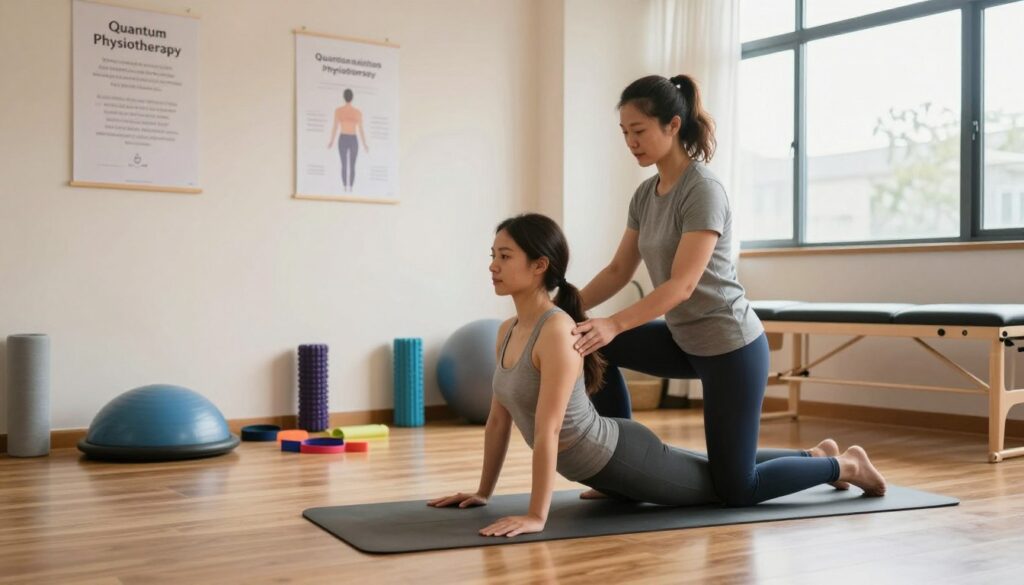
Postural re-education means noticing how you hold yourself, changing daily set-ups and retraining support so standing and sitting feel easier. Good posture supports strength, flexibility and balance. Small, steady changes over weeks bring real gains; this is not an overnight fix.
This guide is practical for readers in India. It combines assessment, tailored advice and simple exercises to help the spine and the wider body. Your starting point—desk job, commute or training history—affects how fast you will improve.
Follow clear steps: quick self-checks, common patterns, assess and adjust, mobility plus strengthening, then a weekly routine and maintenance. The aim is not to look “perfect” but to cut unnecessary load, reduce day-to-day pain and make breathing and movement easier.
Safety note: if pain worsens, spreads, or comes with numbness or weakness, seek professional assessment rather than pushing through.
Key Takeaways
- Change is realistic with consistent practice over weeks, not a single session.
- The guide lets you jump to what you need today.
- Focus on reducing load through the spine and improving comfort.
- Simple self-checks and tailored exercises are combined for best results.
- Symptoms should guide intensity; seek help for worsening or radiating pain.
Why better posture matters for your spine, muscles and pain
How you stand and sit directly affects muscle balance, movement and long‑term comfort. Small alignment shifts change how load travels through the body and can reduce unnecessary strain on joints and soft tissue.
How poor posture drives muscle imbalance and back pain
When alignment forces some muscles to work harder, others grow weaker. This creates an imbalance where tight front‑body muscle groups shorten while upper‑back support lengthens and loses strength.
Prolonged sitting, slouching or craning the neck forwards commonly shortens chest and neck muscles. The upper back and shoulder blade stabilisers then weaken, which often feeds neck and back pain.
Benefits linked to strength, flexibility and balance
Load management means posture guides how forces pass through the spine. Better alignment reduces overuse and fatigue and helps the whole system work efficiently.
Evidence from research shows programmes that combine strengthening with lengthening of the torso can improve posture and may help improve strength, flexibility and balance. These gains can lower the risk of muscle and spinal injuries and support overall health.
Research also notes emotional benefits: consistent posture routines can boost body satisfaction and make people more likely to keep practising, which reinforces physical gains.
Quick posture self-checks you can do today
A few simple checks take minutes and show where you hold extra strain. Do these tests now and note what you feel. Small, consistent awareness today supports better form over time.
Noticing tension hotspots in the neck, shoulders and lower back
Try a wall-check: stand with head, upper back and hips lightly touching the wall. See if your head drifts forwards or the ribcage flares without forcing a new position.
Scan common tension areas: the neck, the tops of the shoulders and the lower back after sitting or driving. Breathe and notice where muscles feel tight.
Spotting left-right imbalance in hips, legs and feet contact with the ground
Desk-check: notice if you lean on one armrest, twist to one side, or perch on the chair edge. These habits raise shoulder and back tension.
Stand with feet on the ground and test weight distribution. If one foot feels lighter, that may show a left–right imbalance.
Walk a short distance and watch step length. Often the left leg takes shorter steps or one hip drops; worn shoe treads also hint at asymmetry. Document what you find today in a note—where you feel strain, which side loads more—so you can track change in your body.
Common posture patterns and what they mean for your body
Different posture patterns place stress in specific locations, guiding what to assess and treat.
Round shoulders and poking chin
Rounded shoulders and a poking chin tighten the chest and shorten front muscles. The upper‑back support weakens and the neck must work harder.
This pattern often gives headaches or neck and upper‑back pain. Check shoulder and clavicle level in a mirror to spot the change.
Kyphosis, lordosis and kypholordosis
Spinal curves are normal, but exaggerated kyphosis or lordosis shifts load to one location. Kypholordosis mixes both.
Each change alters which muscles tighten and which weaken, so assessment targets specific tight or weak groups.
Sway back versus flat back
Sway back often shows a rear pelvis shift that stresses the lower back. Flat back reduces natural curves and raises hip and hamstring demand.
When scoliosis or leg length difference may also be involved
Persistent shoulder height or pelvis asymmetry, uneven feet contact with the ground, or a feeling that one left leg is weaker may also point to scoliosis or leg length discrepancy.
Pattern, not a label: these names guide what to test (tight vs weak, stiff vs mobile) and when to seek professional input.
Postural re-education step-by-step: assess, adjust, train
A clear sequence—assess, adjust, then train—keeps progress steady and avoids wasted effort. Use this simple model to map what your body needs and how to act each day.
Postural assessment: tight vs weak muscles, stiffness vs hypermobility
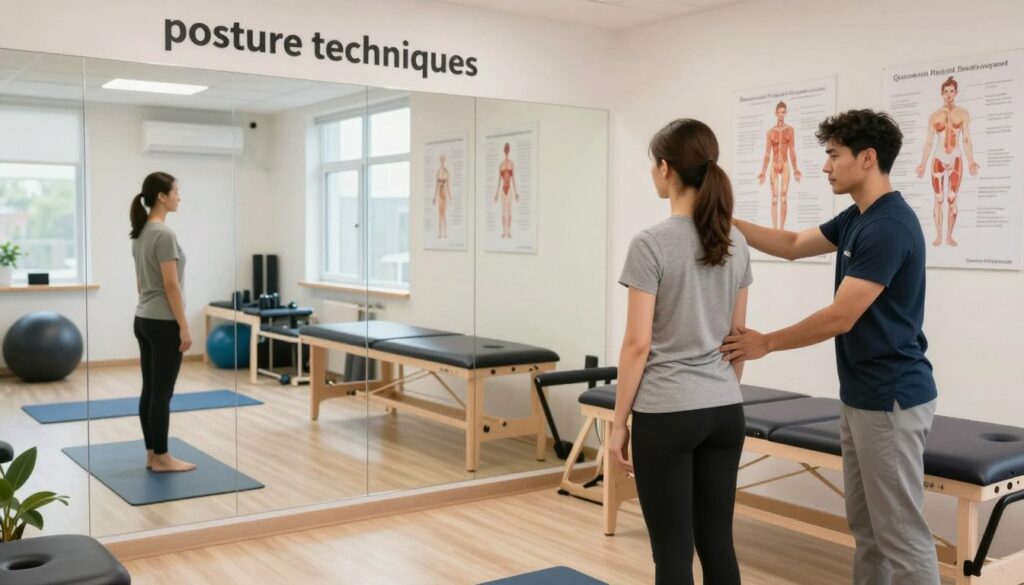
Check which muscles feel tight and which feel weak during basic moves: squat, hinge and reach. Note if a joint feels stiff or unusually loose; this changes the exercises you choose.
Postural advice: sitting, standing and handling techniques that fit your day
Principles: neutral-ish spine, relaxed shoulders and feet supported. Reset often rather than holding a rigid position.
- When carrying shopping or a laptop backpack, swap sides and use both straps when possible.
- During long commutes, tuck the chin occasionally and avoid constant neck craning.
- Scoot the chair close to the desk to reduce forward reach and back strain.
Training plan: stretch what’s tight, strengthen what’s weak
Match action to assessment: stretch tight areas, strengthen weak muscles, loosen stiff joints and stabilise hypermobile ones. Short, regular training sessions and targeted exercises help improve posture over time.
Note: pain is information. If symptoms increase, reduce range or time under tension and seek a qualified clinician for recurring problems, especially for individuals with past injury.
Set your baseline alignment: head, rib cage, shoulders and pelvis
Begin by finding a comfortable vertical line from your ears to your hips. This “baseline stack” helps the spine sit tall without forcing an exaggerated posture.
Quick cue: think head over rib cage over pelvis with a relaxed chin and natural breath.
Shoulder and clavicle positioning to reduce upper-body strain
Aim for clavicles that feel broad and shoulders that sit down and slightly back. This opens the chest and counteracts a tendency for the rib cage to tuck in during long sitting.
Place your hands on the lower ribs and breathe. Feel the ribs move gently “down and back” rather than flaring.
- Use a light pull of the upper back muscles to support the shoulder position—do not clench.
- Keep the neck long; avoid jutting the chin forward when you correct shoulders.
- Repeat the hands-on-rib reset a few times each hour during desk work.
| Point | How to check | Quick fix |
|---|---|---|
| Head | Ear over shoulder line | Chin tuck and breath |
| Rib cage | Hands on lower ribs during breath | Ribs down and back |
| Shoulders & clavicles | Clavicles broad, shoulders relaxed | Light back engagement, drop shoulders |
Remember: baseline alignment is a reference to return to, not a rigid position to hold for hours. Use these techniques as brief resets throughout your day.
Sitting and standing cues for long workdays in India
A. Long workdays in busy Indian offices and commutes need simple, repeatable cues to keep your neck and back less tense.
Set your screen at eye level and adjust chair height so your feet rest flat on the ground. Keep the keyboard and mouse close so your arms stay relaxed and do not reach.
Driving: move the seat so knees and hips feel comfortable. Bring mirrors to you rather than leaning forward; keep shoulders soft to cut neck tension.

Micro-breaks: what to do at the top of the hour
Stand and take 10–20 slow steps. Do 3–5 gentle spinal waves or shoulder rolls. Reset the ribcage over the pelvis and breathe.
Use a quick, two-minute posture audit today: check jaw/neck softness, shoulders down, ribs aligned and even weight through both feet. These tiny checks protect your long‑term health.
| Situation | Quick cue | Benefit |
|---|---|---|
| Desk | Screen eye level; feet on ground | Reduces neck and back strain |
| Driving | Seat close, mirrors adjusted | Less forward reach; relaxed shoulders |
| Phone use | Use earbuds or speaker | Protects neck and shoulder |
Mobility and release exercises to reduce tension and restore movement
Gentle mobility work helps free tight muscles so correct alignment feels natural. Use this “mobility + release” half of the plan before you start strengthening. The aim is to reduce tension, restore joint options and make good posture easier to access.
Child’s Pose — spine, glutes and hamstrings
Start on your knees with knees together and big toes touching. Fold forward with arms extended and sink hips back.
Breathe into the back of the rib cage and waist. Hold up to 5 minutes if comfortable.
Forward fold — release the back of the body
Hinge at the hips with soft knees. Lengthen the spine and let the head hang heavy.
Hold up to 1 minute. This is a release for the posterior chain, not a forced stretch.
Cat‑Cow & standing Cat‑Cow — spinal mobility
On hands and knees, alternate flexion and extension with breath for at least 1 minute.
For the standing version, place hands on thighs or reach forwards. Hold each position 5 breaths.
Chest opener — counter rounded shoulders
Interlace fingers behind the back or use a towel. Lift the chest while keeping the neck in line.
Hold 5 breaths and repeat at least 10 times to help improve posture and reduce shoulder tension.
Thoracic rotation — open the chest and improve rib movement
From hands and knees, place one hand behind the head. Rotate the elbow up and take a long inhale and exhale.
Repeat 5–10 reps on each side. Focus on elbow and side‑body positioning to widen thoracic movement.
“Mobility makes strength more useful; start here if stiffness limits your form.”
| Exercise | Key cue | Suggested time/reps |
|---|---|---|
| Child’s Pose | Hips back, breathe into lower ribs | Up to 5 minutes |
| Forward Fold | Hinge at hips, soft knees | Up to 1 minute |
| Cat‑Cow (floor / standing) | Move with breath; smooth rhythm | 1 minute / 5 breaths each hold |
| Thoracic Rotation | Elbow up, long inhale/exhale | 5–10 reps each side |
Tip: Do this short set today and notice where tension eases. Use these moves before strength work so the spine and muscles can accept better patterns with less effort.
Strengthening exercises that support better posture
Strength work builds the stamina your body needs to hold better alignment when days get long. Mobility gives options; training builds endurance so the spine and hips stay supported during sitting, standing and carrying. Below are four practical drills with clear cues you can do in a short session.
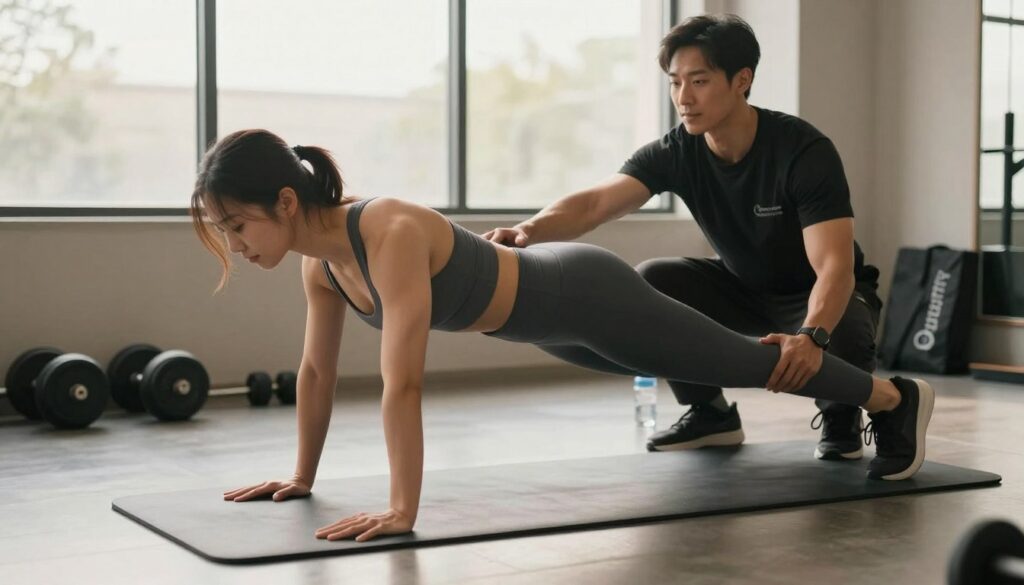
High plank — core and back endurance
Place hands under shoulders and press through the palms. Keep a straight line from head to heels and engage abdominals and back muscles.
Keep the chest open and shoulders back. Hold up to 1 minute with steady breathing. Avoid sagging through the shoulders or letting the hips drop.
Side plank — side‑body stability
From a plank, shift weight to one hand and stack ankles. Lift hips so the body forms one line. If needed, drop the lower knee for support.
Hold up to 30 seconds each side. This trains pelvic control and resists side collapse during walking and carrying.
Glute bridge — hip support for the lower back
Lie on your back with feet hip‑width and knees bent. Press through the feet to lift hips while keeping the spine long.
Hold up to 1 minute. Strong glutes reduce compensatory loading through the lower back and can help reduce pain.
Isometric pulls — shoulder and upper‑back strength
Sit tall with fists forward. Draw elbows back and squeeze the shoulder blades, holding for 10 seconds. Repeat for 1 minute total.
This practical desk drill trains the upper back to stay active. Avoid cranking the neck and stop if shoulder pain spikes.
“Strengthening gives your body the endurance to keep better position through a busy day.”
| Exercise | Key cue | Suggested hold/reps |
|---|---|---|
| High plank | Hands under shoulders; straight line head‑to‑heels | Hold up to 1 minute |
| Side plank | Stack ankles; lift hips; option: lower knee | Hold up to 30s each side |
| Glute bridge | Feet hip‑width; press through heels; spine long | Hold up to 1 minute |
| Isometric pulls | Fists forward; draw elbows back; squeeze blades | 10s hold × repeats for 1 minute total |
Form cautions: avoid shoulder sag, do not crank the neck, and regress if knee or shoulder pain increases. Reduce hold time or use modified positions and seek professional advice for sharp or radiating pain.
Build a simple weekly routine: sets, time and progression
Set a weekly plan that alternates focus: mobility/release most days and strengthening 3–4 days per week. Keep sessions short so you can repeat them every day without stress.
A short daily sequence for busy schedules
- 2 minutes Cat‑Cow (gentle spinal movement).
- 2 minutes Child’s Pose breathing.
- 1 minute chest opener (two sets of 30s).
- 2–4 sets of planks or glute bridges (start small, total 4–6 minutes).
Tip: this 10–12 minute template of exercises helps improve strength and ease within a tight work day. Do it today or at the top of each hour as micro‑breaks.
How long changes take and what consistent practice looks like
Progress takes weeks, not days. Start with shorter holds and add a bit each week — for example, +5–10 seconds on planks or +1–2 reps on rotations.
Consistent practice means short daily inputs plus 3–4 focused sessions weekly. Track sessions and note small wins so you can see how habits help improve posture over time.
Common form mistakes that can worsen pain in the knee, neck or shoulders
- Plank: collapsing into the shoulders — cue: push through the palms and draw blades down.
- Bridge: over‑arching the lower back — cue: tuck the ribs slightly and squeeze glutes.
- Knee cave during squats or bridges — cue: spread the knees slightly and press through heels.
- Chest opener: yanking the neck — cue: keep the chin soft and move from the chest.
Remember: this routine is one part of improving posture; daily sitting and micro‑break techniques are the other part. If you do not notice changes after a few weeks of consistent practice, consult a healthcare professional to rule out underlying issues or persistent pain.
| Day | Focus | Suggested time |
|---|---|---|
| Mon | Mobility + release | 10–15 min |
| Tue | Strength (planks/bridges) | 12–20 min |
| Wed | Mobility | 10–15 min |
Keep your posture gains for the long term
Sustained change relies on easy daily checks and weekly progress notes.
Maintain the system: keep the mobility work that eases symptoms, the strength that protects your spine, and daily habits that stop the old pattern returning. These three parts reduce load on muscles and the back, and lower the risk of recurring pain.
Non‑negotiables for individuals: 2–3 brief movement breaks each day, two focused strength sessions per week, and one weekly check‑in (photo or note) to track trends over time.
Stack resets onto regular triggers (after tea, meetings or commuting) so posture becomes automatic. Seek help if pain persists, a single location or one neck or leg side flares repeatedly, or clear asymmetry limits function.
For specialist care, look for clinicians with structured assessment. PRC (Postural Restoration Certified™) is one recognised credential that focuses on asymmetry and applied practice; research supports referral when change stalls.