
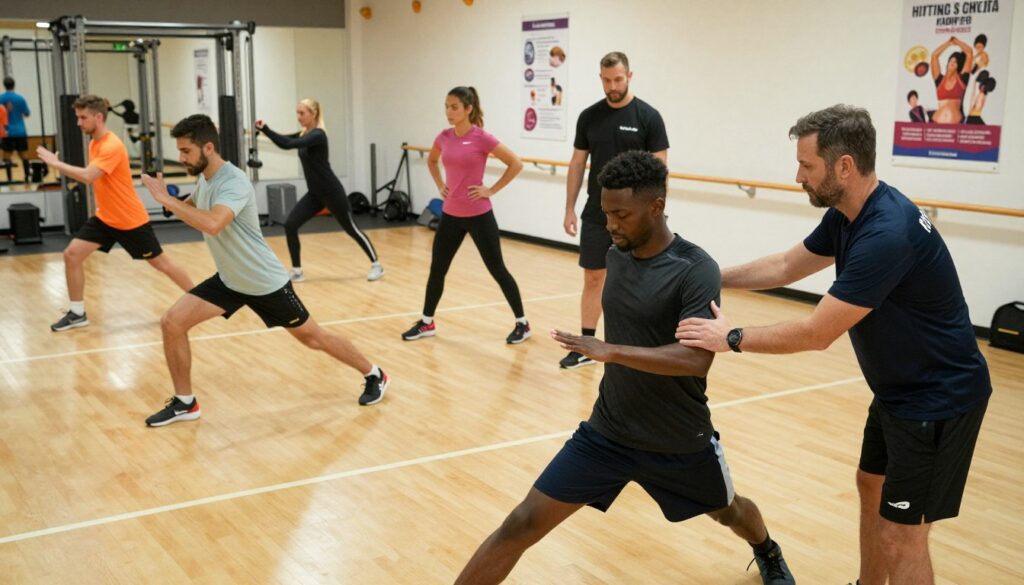
Everyday athletes in India need clear, practical steps to reduce avoidable risk while training regularly. Cleveland Clinic notes that most sports injuries are minor and heal well. Good technique and sensible training cut the chance of setbacks and help you keep fit.
This guide sets realistic expectations: not every problem is avoidable, yet preparation, recovery and smart load management lower time lost from sport. We will move step‑by‑step from causes and red flags to warm‑ups, load, strength work, gear, fuelling and return‑to‑play choices.
Practical, sport‑agnostic advice applies to runners, gym users, cricketers, football players and school or college athletes at every level. Persistent or severe symptoms should be checked by a doctor or sports medicine professional rather than managed alone.
Watch common problem areas — knee, shoulder and head — early action protects the whole body and long‑term health. Train hard, but train smart: prioritise safety and build resilience in your muscles and movement.
Key Takeaways
- Define clear steps to reduce avoidable risk while training consistently.
- Good technique and recovery cut time lost from activity.
- Advice is sport‑agnostic and suits all participation levels.
- Seek professional care for persistent or severe symptoms.
- Early action for knee, shoulder or head concerns protects overall health.
Why preventing sports injuries matters for long-term health and performance
Sustained performance comes from steady training and attention to small warning signs. Short setbacks are common, but some problems need long care. Manipal Hospitals (2025) reports that issues range from minor strains to ligament tears and concussions that affect the head.
Minor strains versus serious tears, fractures and concussions
Minor strains and soreness often settle with rest and simple rehab. In contrast, tears, fractures and concussions can demand surgery, long rehab and careful return-to-play planning.
How repeated injuries can lead to chronic pain and limited mobility
Repeated setbacks change movement patterns and load distribution. Over time this can cause chronic pain, lower confidence and limit daily mobility as well as performance.
Balancing risk with the benefits of staying active
Staying active improves overall health and bone and muscle strength. Progressive load helps the body adapt, so plan increases slowly. Treat early discomfort as information, not something to ignore—especially during busy training blocks in cricket nets, football sessions, gyms or runs.
- Fewer layoffs mean better fitness gains and match readiness.
- Smart technique and sensible load reduce avoidable risk.
How sports injuries happen: causes, risk factors and red flags
Understanding how problems start helps you spot them early and act fast. Overuse, sudden accidents and training errors are the main pathways to harm.
Overuse and training errors: increasing load too quickly or skimping on rest causes strains and stress on bones. Repetitive movements amplify wear in tendons and muscle over time.
Poor technique and biomechanics: when movement is off, stress shifts to tissues not built for it. That raises the risk of sprains, tears and chronic pain.
Red flags and controllable risks
- Sharp pain, swelling, instability or pins and needles — stop and check.
- Reduced range of motion or symptoms that worsen while you continue play.
- Dehydration and heat lead to fatigue and slower reactions, raising accident risk in hot climates like India.
- Wrong or worn footwear and missing protective equipment increase impact and slip hazards.
| Cause | Typical effect | Simple fix |
|---|---|---|
| Overuse (too much, too soon) | Strains, stress reactions | Gradual load increases; rest days |
| Poor technique | Uneven load on muscle and bone | Coaching cues; video review |
| Inadequate warm‑up/cool‑down | Stiff muscles, poor joint control | Dynamic warm‑ups; gentle cool‑down |
| Dehydration/fatigue | Cramping, slower reactions | Hydration plan; monitor effort in heat |
| Ill‑fitting footwear/equipment | Slips, altered mechanics | Fit shoes to surface; replace worn gear |
Know the common sports injuries and what they feel like
Recognising common problems quickly helps you stop small niggles from becoming long setbacks. Below are practical cues to spot issues early and get timely care.
Sprains and strains: ligament versus muscle/tendon damage
Sprains affect ligaments (ankle, wrist, knee). Expect sudden pain, swelling and bruising after a twist. The joint may feel unstable.
Strains involve muscles or tendons (hamstring, calf, lower back). They cause local ache on use, stiffness and weakness.
Fractures and stress fractures
Fractures follow impact: sharp focal pain, deformity or inability to bear weight. Stress fractures start as dull bone pain that worsens with impact and builds over weeks.
Dislocations and urgent signs
Dislocations show visible deformity, severe pain and inability to move the joint, commonly the shoulder, fingers or elbow. This needs immediate medical attention.
Overuse conditions: tendinitis, tennis elbow, runner’s knee and shin splints
Tendinitis and tennis elbow cause tenderness near a joint and pain with gripping or throwing. Performance drops as pain increases.
Runner’s knee and shin splints are overuse warnings: diffuse front-knee pain or shin pain that improves with rest but recurs with load. Check footwear and training surfaces.
ACL tear and concussion
An ACL tear often gives a pop, rapid swelling and a sense the knee will give way during cutting or sudden stops.
Concussion from contact sports presents with headache, dizziness, nausea, confusion or memory gaps. Worsening symptoms need urgent assessment.
Warm-up and cool-down routines that reduce injury risk
Starting sessions with movement and ending them with calm stretches protects the body and keeps performance steady. A focused routine takes just 5–12 minutes and readies muscles, raises tissue temperature and sharpens joint control.

Dynamic stretches to increase blood flow and joint range of motion
Try: leg swings, arm circles, high knees and walking lunges. Perform each for 20–30 seconds to increase blood flow and mobility. These movements prime the nervous system and reduce the risk of sprains and strains.
Sport-specific drills that prepare the body for real movements
Match drills to your session. Runners: light jogging with a few strides. Field players: skipping, side shuffles and directional runs. Racquet players: shadow swings and short bursts. Weight training: progressive sets with lighter loads and controlled reps.
Cool-down with static stretching to ease stiffness and support recovery
Finish slowly: reduce pace for 3–5 minutes, focus on breathing, then hold static stretches for 20–30 seconds on major muscle groups used in the session.
- Calf and hamstring holds for runners.
- Shoulder and forearm stretches for racket sports.
- Quadriceps and hip flexor stretches after field drills.
Consistency matters: a short routine every session protects the body better than occasional long sessions. High-quality warm-ups improve balance, timing and joint control, cutting the chance of common sports injuries while supporting ongoing training.
sports injury prevention through safer training load and smarter routines
Match your weekly work to your current level so the body adapts rather than breaks down. A clear plan for load, rest and variety keeps performance rising while lowering avoidable risk.
Build fitness progressively to match your activity level
Progressive overload means small, steady increases in distance, volume or intensity so tissues adapt safely. For example:
- Runners: add 5–10% weekly mileage, keep one easier week every month.
- Gym users: increase load in 2–5% steps or add a set rather than a big jump in weight.
- Team players: monitor match minutes and scale practice intensity around fixtures.
Plan rest days to reduce overuse
Planned rest is part of training. Manipal Hospitals (2025) advises regular recovery days to lower the chance of overuse problems and support long-term gains.
Cross‑training to spread stress across muscles and joints
Swap high-impact sessions for low-impact options to give tissues a break. Good choices in India include swimming, cycling, yoga and focused strength sessions that target weak links without repeated load.
Recognise tightness, discomfort and fatigue early
Track simple signs: poor sleep, persistent soreness, mood changes and a fall in speed or power. These warn that stress is accumulating.
Mild tightness often eases with reduced load and mobility work. If pain changes form or worsens, stop and reassess—seek professional advice when needed.
Smart routines save time: thoughtful progression, rest and variety reduce long rehab and keep you available for the things that matter. Cleveland Clinic supports that good training, managed well, prevents many common setbacks.
Technique, form and movement quality to protect muscles, joints and bones
Good technique channels forces through the right muscles, so joints and bones cope better under load. Focusing on movement quality reduces repeated stress to tendons and the shoulder and knee regions.

Coaching cues that reduce tendonitis and repetitive strain
Simple cues work: keep knees tracking over toes on squats and lunges. Brace the core to avoid collapsing through the hips during landings.
Grip tools lightly when possible to avoid overloading forearm tendons. In throwing or bowling, use a relaxed wrist on follow‑through to lower elbow and shoulder strain.
Video analysis to spot flawed movement patterns
Use a smartphone from front and side angles to record running gait, squats, jumps and cuts. Slow the clip and compare both sides for asymmetry.
Manipal Hospitals (2025) recommends coaching and video feedback to correct poor form. Small fixes found on video often prevent long-term problems and reduce need for treatment.
Landing, cutting and turning mechanics to reduce knee risk
Decelerate under control. Land softly with hips and knees aligned, and avoid knee valgus (the inward collapse of the knee).
When cutting, bend at the hips, lower the centre of mass slightly and push through the outside foot to change direction safely.
| Fault | Effect | Coaching cue |
|---|---|---|
| Knee valgus on landing | Raised ACL and knee strain risk | Drive knees out; cue “push knees over toes” |
| Collapsed hips on deceleration | Poor load transfer to muscles | Brace core; hinge at hips |
| Overgripping bat/racket | Tendon overload at elbow/forearm | Use light hold; check racket size/grip |
| High running cadence errors | Excessive ground contact and fatigue | Increase step rate gradually; aim 5–10% higher |
When pain returns despite form work, consult a coach or physiotherapist. They make changes that are specific, measurable and matched to your body so you can train safely and progress.
Strength, flexibility and conditioning to support the whole body
A balanced approach to strength and mobility helps the body tolerate load and reduces the chance of strains and sprains. Build capacity around joints so muscles and bones share force safely.
Core stability for balance and reduced lower-back strain
Starter set: front planks, side planks and dead‑bugs. Hold planks for 20–40 seconds and do 6–10 controlled dead‑bug reps per side.
These exercises improve balance for runners and field players and cut lower‑back load during fast movements.
Functional strength that mirrors game demands
Use squats, lunges, hip hinges, push‑ups and rows. Progress by adding reps, sets or light weight over weeks.
“Manipal Hospitals (2025) recommends functional movements and conditioning to reduce common strains and sprains.”
Mobility and flexibility to widen movement choices
Prioritise ankle, hip and thoracic spine mobility to stop compensations that stress tissues. Short daily mobility bursts plus 2–3 longer flexibility sessions weekly work well.
| Goal | Sample exercise | Weekly plan |
|---|---|---|
| Core stability | Plank, side plank, dead‑bug | 2–3 sets, every other day |
| Functional strength | Squat, lunge, hip hinge, row | 2–3 sessions weekly, adjust near matches |
| Mobility & flexibility | Ankle circles, hip CARs, thoracic rotations | Daily short work; 2 longer sessions weekly |
Quality over quantity: control, alignment and steady progression protect muscles, bones and joints and reduce time out from activity.
Equipment and protective gear that make sport safer
The gear you choose can change how forces travel through your body and whether niggles become serious problems. Proper equipment lowers risk, improves comfort and helps you train consistently.
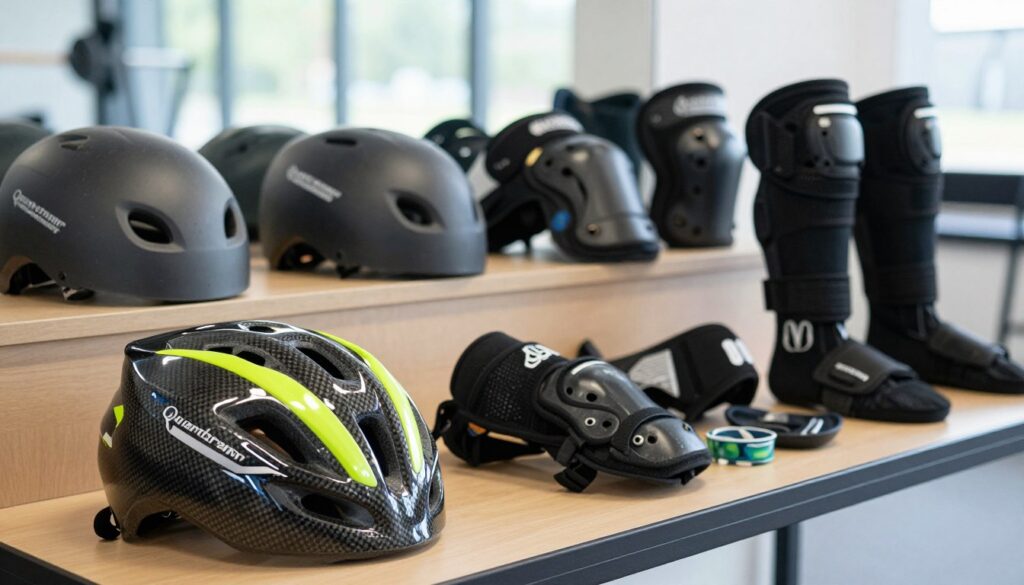
Footwear fit and timely replacement to help prevent shin splints and knee pain
Shoes alter impact forces and alignment, especially on hard surfaces. Poor fit or worn cushioning increases load on shins and the knee, raising the chance of shin splints and persistent pain.
Quick footwear checks: ensure a secure heel lock, about a thumb’s width of toe room, reversible midsole compression and even outsole wear. Replace shoes when cushioning feels flat or the outsole shows uneven wear.
Protective gear for contact sports: helmets, mouthguards and pads
Essential contact items include helmets, mouthguards and shoulder or shin pads. Add sport-specific protection, for example a cricket helmet when batting or shin guards for football.
Properly fitted kit minimises direct blows and reduces the severity of impacts to the head, face and body.
Bracing and taping for vulnerable joints, especially after previous injury
Braces and tape give extra support to ankles, knees and wrists after prior problems. Use them as short-term adjuncts while you complete strength and movement rehab.
Note: braces do not replace progressive conditioning. Combine external support with targeted exercises and physiotherapy care when needed.
Surface, studs and regular kit audits
Match stud type to the ground and weather in India: soft ground studs for wet fields, shorter moulded studs on hard surfaces. Correct grip cuts slips and non-contact twists during football and field play.
Perform a regular “kit audit”: check fit, straps, fastenings and expiry dates on protective foam or helmets. As training volume rises, equipment that once fit well can become less protective—replace or refit as needed.
Fuel, hydration and recovery habits that keep you resilient
Small daily choices about food, fluids and sleep add up to major resilience on the field. Good habits cut fatigue, lower the risk of late‑session problems and speed tissue repair.
Hydration strategies to reduce cramps and fatigue‑related injuries
Steady fluid intake through the day matters in hot Indian climates. Begin sessions well hydrated and sip regularly during activity.
For long or high‑sweat sessions, include electrolytes to replace salt losses. Manipal Hospitals (2025) advises this to reduce cramps and fatigue.
Dehydration lowers coordination and raises the chance of problems late in training or matches.
Bone health: calcium and vitamin D support
Strong bones reduce stress fracture risk. Eat calcium‑rich foods — milk, curd, small fish with bones, green leafy vegetables.
Combine these with safe sun exposure or vitamin D supplements to help absorption. This simple pairing supports long‑term bone health.
Protein for muscle repair after sessions
Protein within 30–90 minutes after activity helps muscles rebuild. Aim for 20–30 g of quality protein — dairy, eggs, pulses or lean meat — after tough sessions or matches.
When fixtures cluster, keep daily protein steady to support strength and recovery without adding excessive calories.
Sleep, active recovery and soft‑tissue techniques
Sleep is non‑negotiable: aim for 7–9 hours each night so repair processes work well.
Active recovery — easy walking, light cycling or mobility — reduces stiffness without adding stress.
Foam rolling and massage ease perceived pain and help tissue quality, but remember these are adjuncts. Prioritise load management first.
“Hydration, calcium plus vitamin D, adequate protein and consistent sleep form the backbone of recovery.”
Safety note: avoid masking significant pain to keep playing. Use anti‑inflammatory medicine only under professional advice and as part of a broader treatment plan.
When pain means stop: immediate care, return-to-play and getting medical help
Knowing clear “stop now” signals helps you get the right care quickly and protect long‑term fitness.
Stop immediately for severe pain, rapid swelling, obvious deformity, inability to bear weight, joint instability or any neurological signs after a head impact. These signs need urgent assessment by a doctor or a sports medicine clinician.
For many acute problems start RICE: Rest, Ice, Compression, Elevation — each step reduces swelling and eases pain while you organise further care or an appointment. Escalate fast for suspected fractures, dislocations, concussion or uncontrolled swelling.
Return‑to‑play should be staged: pain‑free daily activities, then sport‑specific drills, full training and finally match play. Physiotherapy, short immobilisation (splint/cast) or, in severe tears or fractures, surgery are common treatment pathways. Bring a symptom timeline, training loads and prior problems to your consultation.
Early care, sensible use of medicine and timely sports medicine input protect health and keep you active.
FAQ
What are the most effective ways to reduce the chance of a sports-related injury?
Begin with a structured warm-up that uses dynamic stretches and sport-specific drills, build load gradually, include regular rest days and cross‑training, and follow a strength and mobility plan that targets muscles and joints you use most. Use well‑fitting footwear and appropriate protective gear, stay hydrated and fuelled, and seek coaching to refine technique.
How can I tell the difference between a minor strain and a serious tear or fracture?
Minor strains usually cause local pain, tightness and some loss of power but you can still move the limb. A serious tear often produces sharp pain, a popping sound, rapid swelling and marked weakness. Fractures tend to cause severe pain, deformity or inability to bear weight. When in doubt, immobilise the area and see a clinician for imaging and assessment.
Why do repeated knocks or recurring problems lead to long-term pain and limited movement?
Repeated microtrauma and inadequate recovery create cumulative damage to tendons, cartilage and bone. Scar tissue and altered movement patterns can form, reducing joint range and increasing load on other structures. Over time this can escalate into chronic pain, arthritis or persistent instability unless corrected with targeted rehabilitation.
What training errors most commonly produce overuse problems such as tendinitis or shin splints?
Sudden increases in volume or intensity, poor progression between sessions, lack of rest days, and repetitive technique flaws all contribute. Running too much on hard surfaces, ignoring early tightness, or using worn footwear also raises risk. Plan progressive load increases and respond to early warning signs with reduced intensity and active recovery.
How important is footwear and equipment fit for preventing strains and knee issues?
Very important. Ill‑fitting shoes alter biomechanics, increase impact loads and can trigger shin pain, knee strain or blisters. Use activity‑specific footwear, replace shoes when cushioning and support decline, and ensure protective equipment fits correctly to disperse forces in contact sports.
Which warm‑up moves best prepare muscles and joints for competition?
Start with light aerobic movement to raise core temperature, follow with dynamic stretches (leg swings, hip openers, arm circles) and finish with sport‑specific drills that mimic game actions at increasing intensity. This sequence improves range of motion, neuromuscular control and readiness for high‑speed movement.
How should I plan rest and recovery to avoid overuse damage?
Schedule at least one full rest day per week for most participants and include easier sessions after hard efforts. Use sleep, adequate protein intake and active recovery techniques (foam rolling, light cycling) to promote repair. Track load with a simple diary or app to avoid sudden spikes in training volume.
Can strength and flexibility work really reduce the risk of sprains and tears?
Yes. Targeted strength training builds the tissues that absorb force, while mobility and flexibility work preserve joint range and reduce strain on muscles and ligaments. Combine compound movements (squats, lunges, presses) with core stability drills and regular mobility practice for best effect.
When is bracing or taping advisable after a previous problem?
Use bracing or taping when returning from injury to provide extra support during the early stages of rehabilitation or for high‑risk activities. It can offer proprioceptive feedback and limit harmful ranges, but it should complement—not replace—strength and movement retraining prescribed by a clinician or physiotherapist.
What are the red flags that require immediate medical attention after a head impact?
Seek urgent care for loss of consciousness, repeated vomiting, worsening headache, confusion, seizures, unequal pupils or persistent dizziness. These signs may indicate a serious concussion or intracranial complication. Follow current concussion protocols before returning to any contact play.
How does nutrition support bone and muscle repair after tough sessions?
Adequate protein helps rebuild muscle fibres; calcium and vitamin D support bone health; and carbohydrates replenish glycogen for subsequent sessions. Maintain regular meals, hydrate well and consider timing protein intake after training to optimise recovery.
What steps should I take if I feel sharp pain during a match?
Stop the activity immediately, protect the affected area, apply ice if appropriate, and avoid weight‑bearing if it hurts to stand. Seek assessment from a clinician if pain is severe, there is swelling, deformity or loss of function. Prompt action reduces the risk of worsening damage.
How can coaching and video analysis prevent common motion faults that cause knee problems?
Video lets coaches spot alignment errors, asymmetries and poor landing or cutting technique. With targeted cues and corrective drills, athletes can retrain movement patterns to absorb load safely, reducing risk of ACL tears and other knee complaints.
Are there simple daily routines that lower the chance of strains and muscle pulls?
Yes. Brief warm‑ups before activity, short mobility sequences, a twice‑weekly strength session focused on the posterior chain and hips, and nightly foam rolling for tight areas all help. Consistency matters more than duration—small daily habits protect tissues over time.
When is it safe to return to full competition after a moderate tear or fracture?
Return‑to‑play decisions should be guided by a clinician and based on pain‑free function, restored strength and normal movement patterns, and sport‑specific testing at match intensity. A graded progression—training, controlled contact, then full play—helps ensure tissues tolerate the load.