
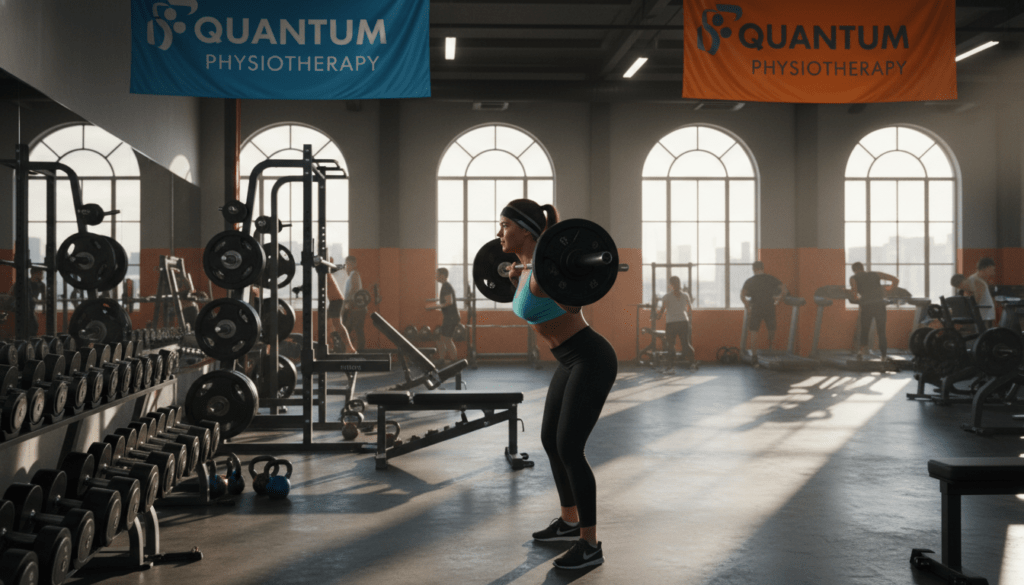
This guide explains how simple resistance work improves fitness, daily function and confidence.
You will learn what makes a practical routine, why it matters for everyday tasks and how small, consistent sessions change your body and habits. The focus is not only on looks but on stronger bones, better balance and easier movement.
Beginners need no fancy gym. With clear form cues, brief home workouts and basic gear, progress comes from steady effort and safe technique. This approach fits long workdays and heavy commuting common in India.
Confidence grows when you can lift, climb stairs or carry shopping with less effort. That sense of ability boosts motivation and helps you stay active.
In the sections that follow, we define terms, outline the benefits, cover equipment choices, warm-ups, form tips, a time-smart home routine and ways to progress week by week.
Key Takeaways
- Simple resistance work helps the whole body, not just appearance.
- You can start at home with minimal gear and clear cues.
- Regular short sessions fit busy Indian lifestyles and reduce sedentary harm.
- Improved physical ability often leads to greater confidence and activity.
- The article will cover safety, form, a practical routine and progression.
What strength training is and why it matters right now
Simple, repeatable sessions that make your muscles work harder than usual protect function and wellbeing.
Strength training vs resistance training: what the terms mean
Strength training and resistance training are often used interchangeably. Both mean working muscles against a load — bodyweight, bands or weights — to build force, size, power and endurance.
Who it’s for in India: beginners, busy professionals, and active older adults
This approach scales easily. Beginners can start with bodyweight moves and light bands at home. Busy professionals can fit two short sessions per week around work hours.
Active older adults benefit most from regular sessions that support bone and balance. Simple exercises help with daily tasks like climbing stairs or standing from a chair.
| Option | Where | Best for | Weekly baseline |
|---|---|---|---|
| Bodyweight | Home | Beginners, no kit | 2 sessions |
| Resistance bands | Home or office | Progression, joint-friendly | 2 sessions + walking |
| Light dumbbells | Gym or home | Build load safely | 2 sessions + 150 min cardio |
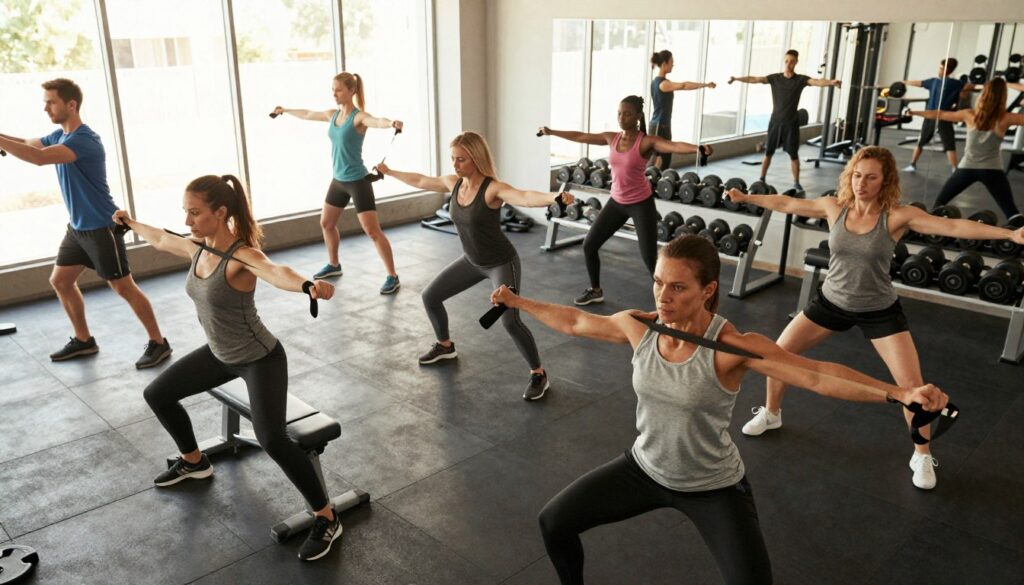
Real benefits you can feel beyond “bigger muscles”
Even a little organised effort changes how your body handles everyday chores and keeps you independent.
Get stronger for everyday tasks
Get stronger in practical ways: lifting grocery bags, climbing stairs and standing up from the floor become noticeably easier. Better leg power and safer hip control make walking and carrying loads less tiring.
Bone health, balance and fewer falls
Work that builds muscle helps slow age-related loss and supports bone density. Improved balance and coordination cut the risk of a fall and help you stay active into later life.
Metabolism and weight management
More muscle raises resting calorie burn, so your body uses slightly more energy each day. That helps with weight control when paired with sensible food choices and regular walking.
Heart health, mood and realistic time gains
Such work supports circulation and can ease anxiety and low mood when done alongside brisk walking. Best of all, meaningful benefits often come from two short, structured sessions per week — a practical plan for busy lives.
Choosing the right setup: home workouts, free weights, or machines
Pick the simplest way to move your body regularly, then add kit only when needed. Start by matching options to your space, budget and privacy needs. A workable setup is the one you will use consistently.
No-equipment options
Bodyweight exercises such as push-ups, squats and lunges build muscle and improve capacity. Progress by changing range of motion, tempo or leverage to keep the load challenging.
Simple kit that goes far
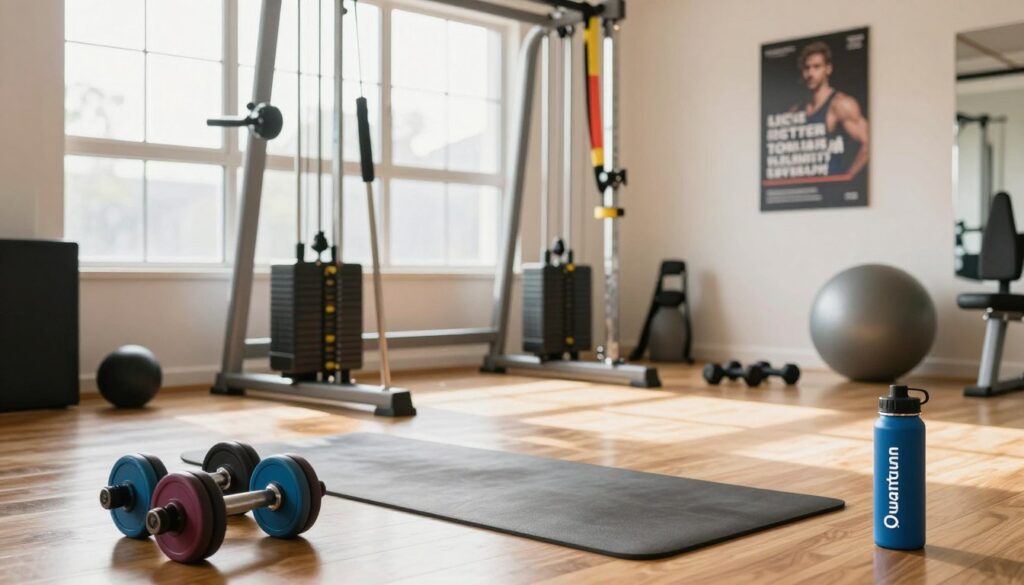
For many Indian homes, a minimal kit is highly effective: resistance bands, a pair of dumbbells and household weights (filled water bottles or cans).
- Resistance bands add variable resistance and are easy to store.
- Dumbbells let you do rows, curls and presses with simple hand grips.
- Household items work well for squats, carries and shoulder-friendly moves.
Free weights vs machines
Free weights offer natural movements and variety but need control and technique. Machines guide your path and can feel safer for beginners, yet they often cost more and allow fewer movement patterns.
“Start light, practise form and progress the load gradually to reduce injury risk.”
| Option | Cost / Space | Best for | Risk notes |
|---|---|---|---|
| Bodyweight | Low / Very small | Home, beginners, no kit | Low; progress via tempo and range |
| Resistance bands | Low / Small | Joint-friendly progress, variety | Watch for snapped bands; control tension |
| Dumbbells (free weights) | Medium / Moderate | Versatile movements, hands grips | Higher control needed; start light |
| Machines | High / Gym | Guided positioning, beginners | Less natural movement; limited patterns |
Decision framework: choose the easiest option you will use. If space or budget is tight, begin with bodyweight and a band. Upgrade to dumbbells as your form and confidence grow.
Prepare your body and reduce injury risk before you start
Before you lift a single rep, prepare your body with a brief routine that lowers injury risk and improves performance.
Warm up properly: aim for about 10 minutes
Warm up for around 10 minutes combining light cardio and mobility. Try 5 minutes brisk walking or cycling, then 5 minutes of drills for hips, ankles, shoulders and thoracic spine.
When to check with your doctor
If you are middle-aged or older, smoke, are overweight, or have an existing health condition, speak to a clinician before you begin. This is routine and sensible, not alarmist.
Pain rules: stop, reduce load, or seek support
Distinguish normal muscle effort from sharp joint pain. If an exercise causes sharp pain, stop immediately.
- Lower the weight or change the movement if pain appears.
- If pain persists, get medical or professional help.
- Allow at least one full day before working the same muscles hard again.
Common red flags: knee pain during squats or back discomfort during hinge movements—reduce load and review form. Start with moderate effort and progress sensibly over time.
Form first: technique cues that make every rep safer and more effective
Proper form protects joints and ensures the correct muscles do the work every time. Start each set by checking your stance so the movement is efficient and safe.
Stance and stability
Use this checklist before most lifts:
- Feet flat on the floor; distribute weight evenly between heel and forefoot.
- Stand shoulder-width apart for a stable base and neutral balance.
- Toes slightly turned out if that feels natural; knees should track toward toes.
Back and core
Maintain a natural arch in the lower back and brace your stomach muscles before each rep.
This protects the back and keeps the hips and chest aligned.
Controlled tempo
Slowly lower the load with control, pause briefly at the hardest point, then drive up with the same position.
Controlled tempo reduces strain and improves muscle engagement.
Breathing for performance
Exhale on the effort (the push or lift) and inhale as you lower. Do not hold your breath; steady breathing limits pressure spikes.
Joint-friendly habits
Avoid locking elbows at full extension and keep shoulders set — back and down — to protect the joint.
Relax the neck and keep hands, chest and shoulders aligned to reduce tension.
Get a technique check
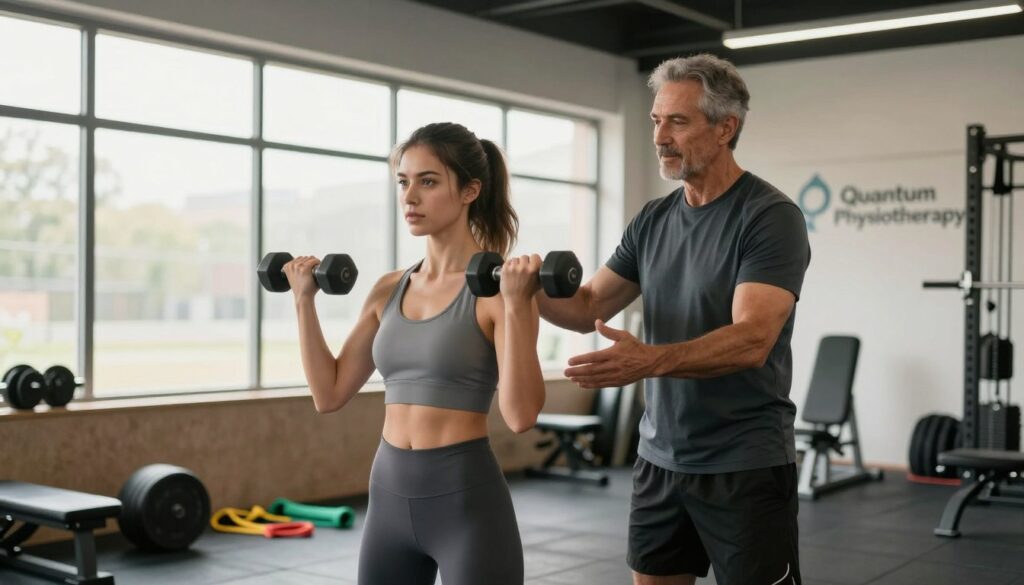
Ask gym staff to watch a set or book a certified trainer for a home session. A brief check can correct small faults and stop issues before they start.
“Better position means better results: fewer aches, more effective reps, and faster progress.”
A beginner-friendly strength training routine you can follow at home
A short, practical routine helps you move better, reduces daily fatigue and fits into busy weeks.
Session options
- Full-body: 2–3 sessions per week. Do 25–40 minute workouts that cover legs, hips, chest and back each time.
- Upper/lower split: alternate across the week (upper one day, lower the next) to manage fatigue and train each muscle group twice weekly.
Reps, sets and rest
Aim for 8–15 controlled reps per exercise. Start with 1–3 sets and rest as needed to keep form solid.
Balance push and pull
Pair pushes (wall push-ups, chair dips) with pulls (rows using a band or dumbbells). This protects shoulders and supports posture.
Lower-body foundations
- Sit-to-stand from a firm chair — practise control and depth.
- Split squat holding a support for balance.
- Glute bridge on the floor to target hips and hamstrings.
- Controlled squat pattern, focusing on knees tracking and feet flat.
Upper-body and core
- Wall push-ups and chair dips for pressing strength.
- Rows, biceps curls and upright rows using light dumbbells or filled bottles.
- Core bracing drills and short holds to support hips, knees and shoulders during movements.
Progression and safety
When a set feels easy and your technique stays sharp, add a little weight or extra reps. Make sure you can speak comfortably while working and stop if you feel sharp pain.
Keep progressing, stay consistent, and let confidence follow
Strength training works when you increase the challenge slowly — a little more weight, an extra rep, or a harder variation each week.
Add load only when you can finish every rep with a stable position, controlled tempo and no joint pain. If form fails, reduce the weight or choose an easier exercise.
Track your workout: note the exercise, weight, reps and how hard it felt. This record helps you plan steady progress and avoid guesswork.
Give muscles time to recover. Leave at least one full day between hard sessions for the same group, sleep well, stay hydrated and keep walking.
Protect joints by keeping feet steady on the floor, chest open, shoulders set and the back aligned. Film a set or book a check-in with a certified trainer to refine form as weights rise.
Small, consistent steps make legs, hips, arms and upper body stronger, so daily tasks become easier and your confidence grows.